Floor sweepers, road sweepers, and electric sweepers have become essential equipment in various scenarios—from factory workshops and commercial plazas to urban roads—thanks to their efficient cleaning capabilities. However, like all mechanical devices, they may encounter common issues during long-term use. Mastering the causes and solutions to these problems not only extends the service life of the equipment but also ensures consistent cleaning performance. Below, we detail the most frequent malfunctions of sweepers (including floor sweepers, road sweepers, and electric sweepers) and their step-by-step
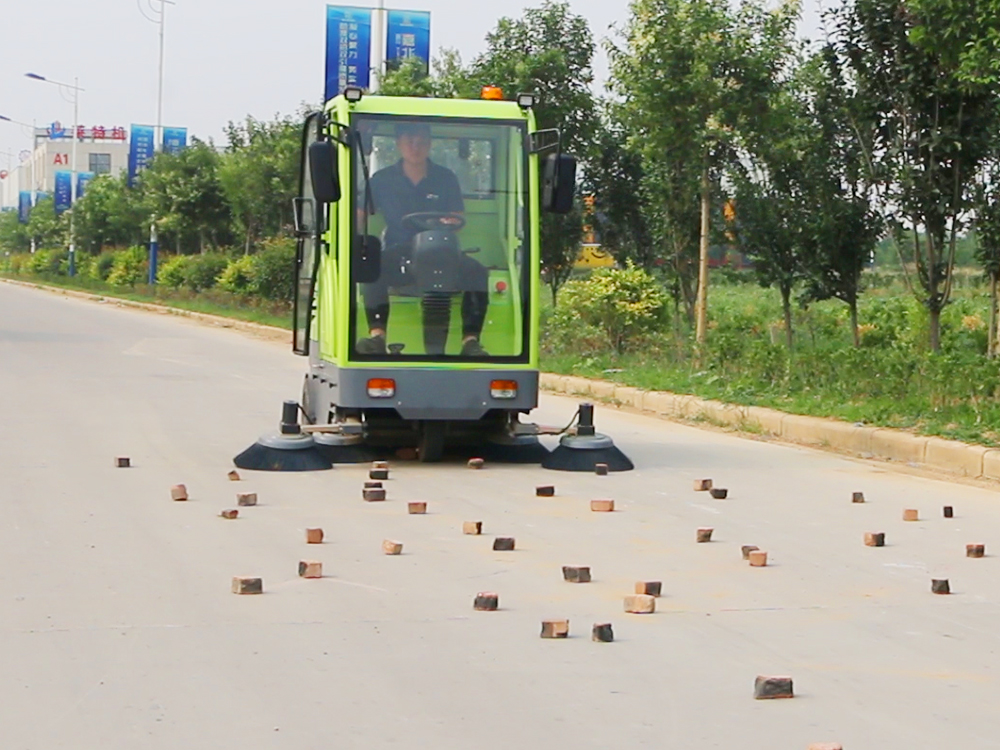
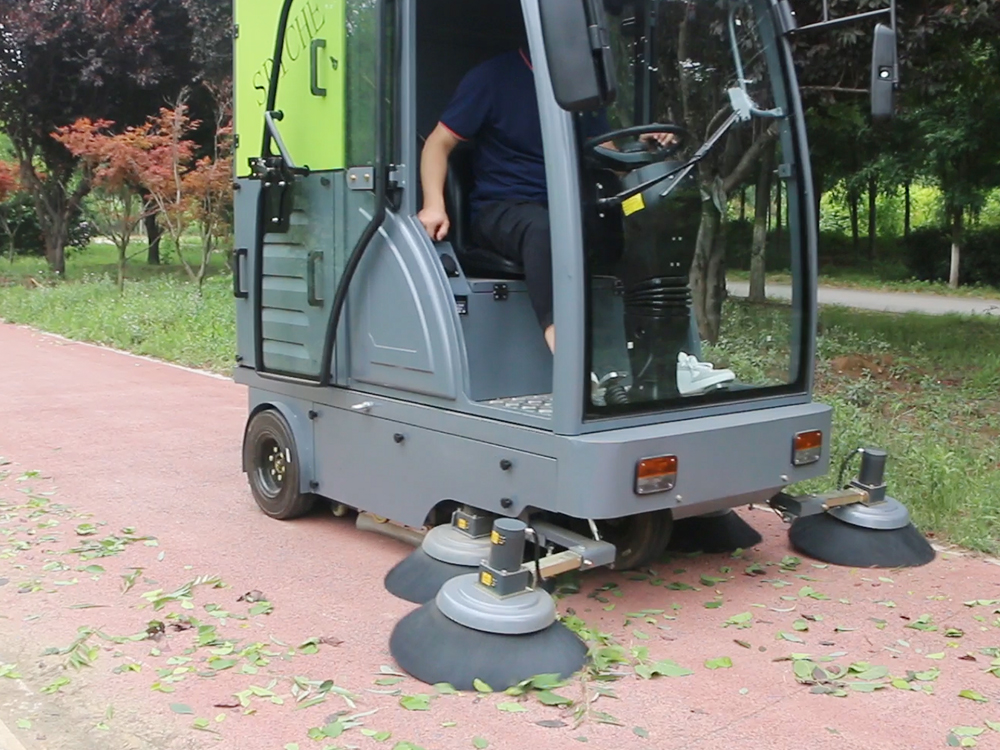
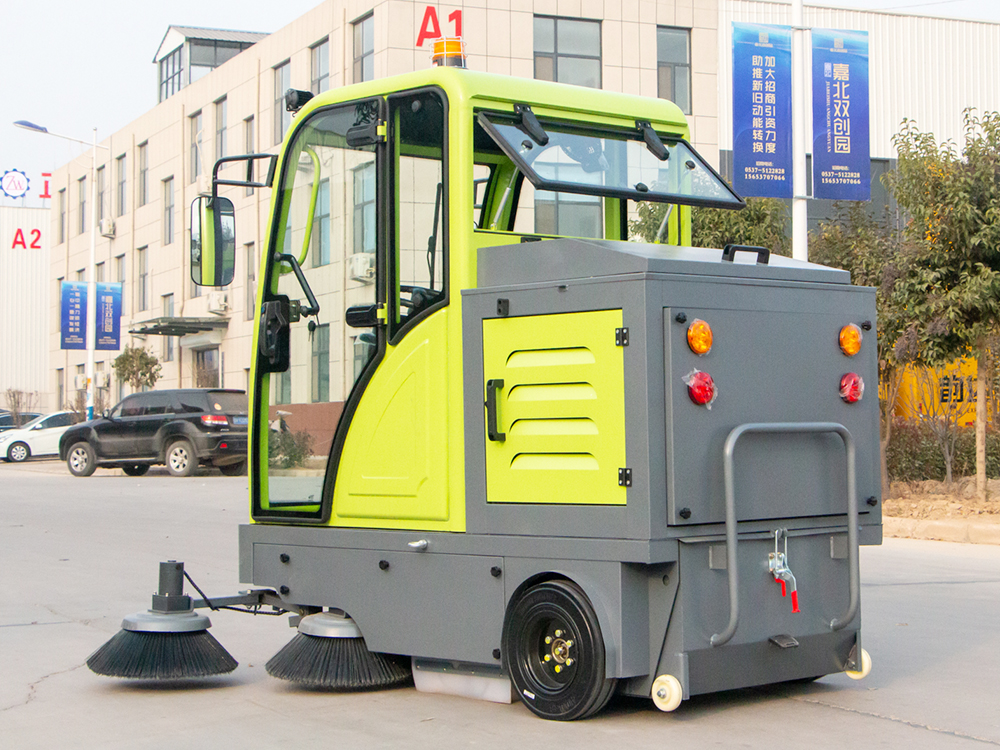
The ability to move smoothly is the foundation of any sweeper’s operation, whether it’s a compact floor sweeper for indoor use or a heavy-duty road sweeper for outdoor work. This issue is closely related to several core components: the controller (the "brain" of the electric sweeper that regulates power distribution), fuses (which protect the circuit from overload), air switches, accelerators, drive wheels, and the wiring terminal connectors and cables of the battery.
For example, if a floor sweeper suddenly stops moving during use, the first step is to check the battery’s wiring terminals—loose connections are a common issue after prolonged vibration. If the terminals are secure, inspect the fuse: a blown fuse often indicates a short circuit in the circuit. Any damage or poor contact in these components can cause the sweeper to stop moving; simply replacing the damaged part (such as a faulty controller or worn drive wheel) will restore normal operation.
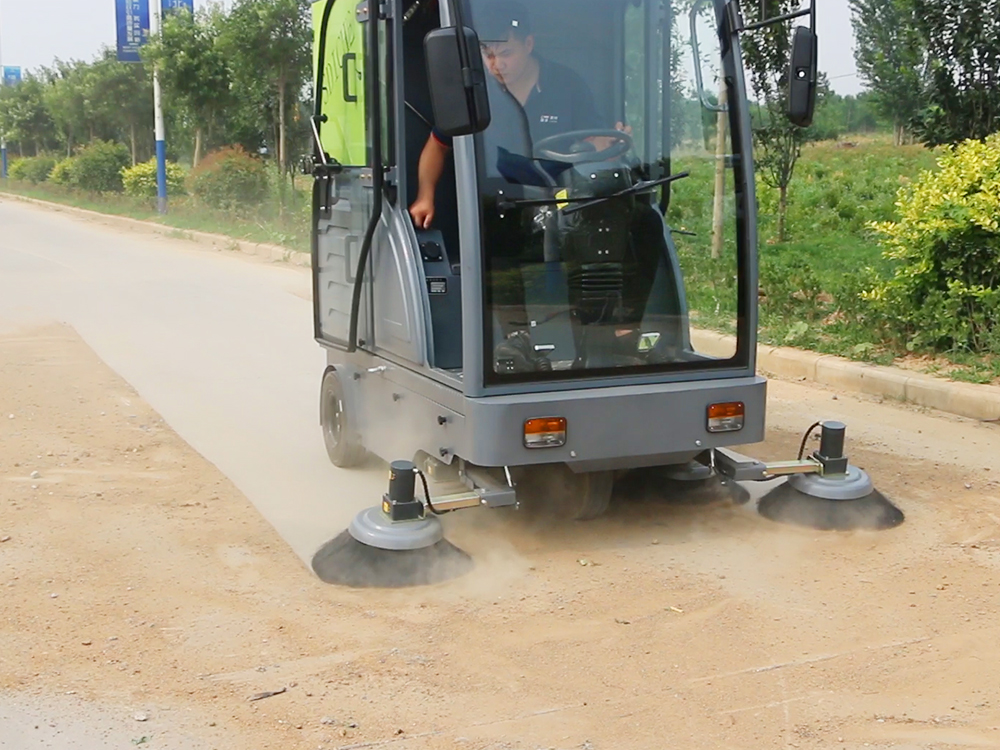
The cleaning function relies entirely on the coordinated work of edge brushes and main brushes, each driven by a dedicated motor. This is true for all sweepers, from small electric sweepers used in supermarkets to large road sweepers for municipal cleaning.
If only one brush (either an edge brush or the main brush) stops working, the problem is likely a damaged drive motor for that specific brush—replacing the motor will fix it. However, if all brushes on the sweeper stop working, the issue is more systemic. Check three key areas: the relays in the rear box circuit board (relays control the power supply to the brush motors; a burnt relay will cut off power), the air switch (a tripped switch often occurs due to sudden power surges), and the work buttons on the control panel (worn buttons may fail to send electrical signals). Addressing any of these issues—such as replacing a faulty relay or resetting the air switch—will reactivate the cleaning function.
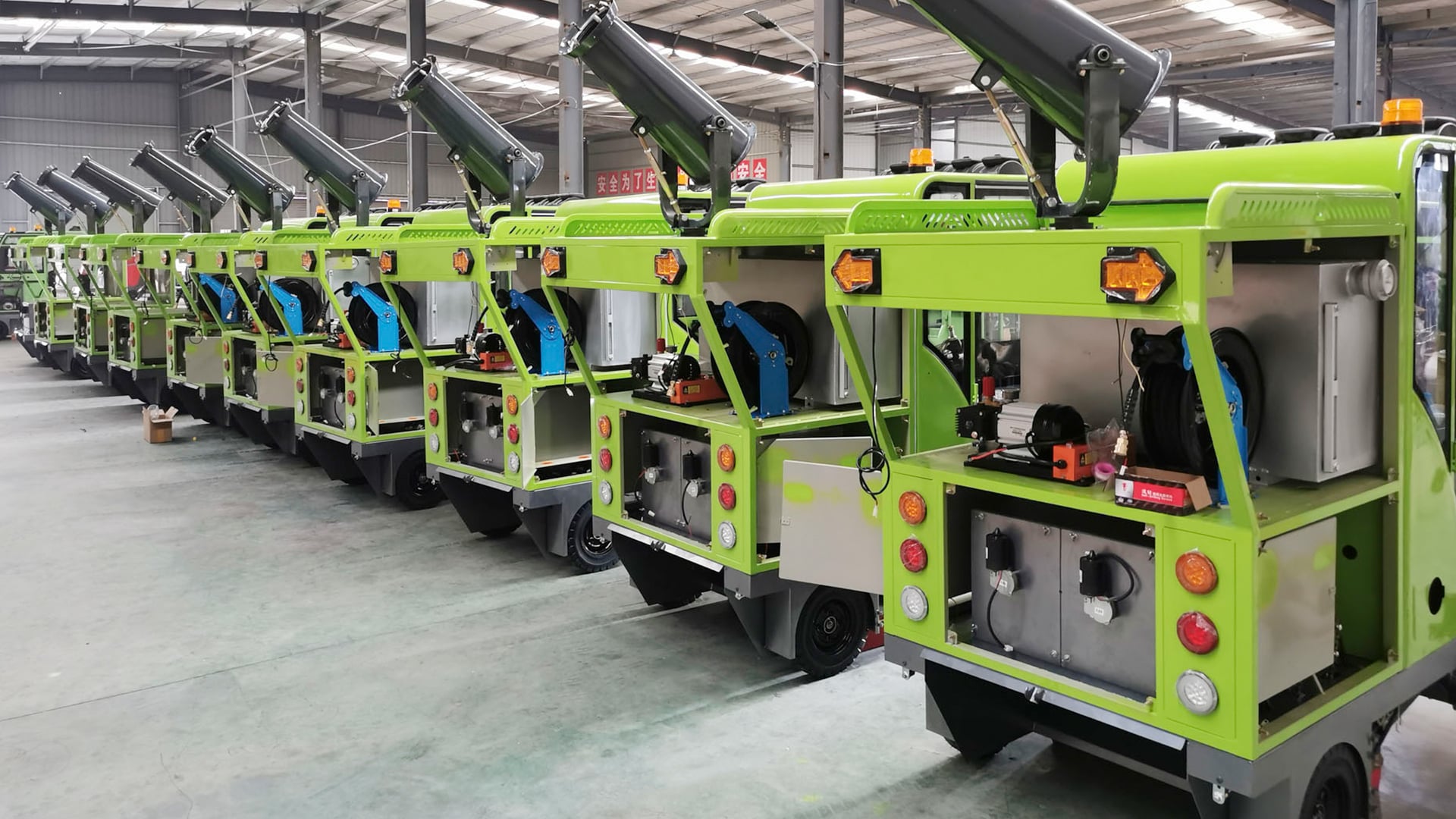
The sprinkler function is mainly related to components such as water tank, water pump, water pipe, water valve, nozzle, relay, switch, and control circuit. Common problems include water tank leakage, water pipe rupture, loose ligation, clogged water nozzle, damaged water pump, electrical circuit failure, etc. If any joint is found to be leaking, loosen its connecting section, wrap it with adhesive tape, and then fix it tightly.
The whole vehicle is equipped with four lifting rods, if one of the brushes does not lift. It indicates that the lifting rod motor of the brush is damaged and can be replaced. If the brush of the whole vehicle does not lift, check whether the control switch is damaged, whether the wire head of the control switch is loose, or whether the relay in the electrical circuit board is damaged. Replace it.
Check whether the vibration dust motor is damaged, whether the filter element is loose in contact with the flange, whether the filter element has reached its maximum working limit, and whether the filter element stopper is movable. Check if the switch button is functioning properly, and replace it if it is damaged.
The common causes of dust leakage are:
1. The air filter cartridge was not promptly dusted, causing blockage
2. The sealing strip of the garbage bin falls off or is damaged
3. The fan motor is not working properly
4. The front bumper is damaged
5. The main brush is wrapped with filaments or installed in the wrong direction
6. Loose or detached buckle of garbage bin
7. The cleaning speed is too fast
Poor cleaning results defeat the purpose of using a sweeper. The main causes are:
1、Excessively fast cleaning speed: For example, a floor sweeper moving too quickly in a warehouse cannot collect small debris like sand or powder; slowing down to match the brush’s collection speed fixes this.
2、Improper brush height: The edge brush should have 2/3 of its bristles touching the ground (to gather debris to the main brush), while the main brush should press 0.5cm into the ground (to ensure it picks up debris without wearing the bristles). Adjust the lifting rods to correct the height.
3、Wet bristles: Moist bristles (from cleaning wet areas or rain) clump together and cannot pick up dry debris—dry the bristles thoroughly before use.
If you encounter unsolvable issues with your floor sweeper, road sweeper, or electric sweeper, our professional after-sales team is ready to help—we provide fast solutions to minimize downtime. In addition to sweepers, we also offer high-quality equipment for various needs: floor scrubbers and electric floor scrubbers for deep floor cleaning, electric forklifts, electric stackers, and pallet stackers for warehouse logistics, and lawn mowers (including remote control lawn mowers and electric mowers) for garden maintenance.
A final reminder: This sweeper (floor sweeper, road sweeper, or electric sweeper) efficiently cleans powder, sand, stones, leaves, casting dust, and household waste. However, filamentous or strip-like objects (such as plastic bags or wires) are not suitable for cleaning—they will tangle around the main brush and damage the equipment. Proper use and regular maintenance will ensure your equipment serves you well for years.
 Hot News
2026-07-06
2026-01-16
2025-10-03
2025-10-02
2025-10-01
Copyright © Shandong Laite Machinery Co., Ltd.@2025 - Privacy Policy

 EN
EN