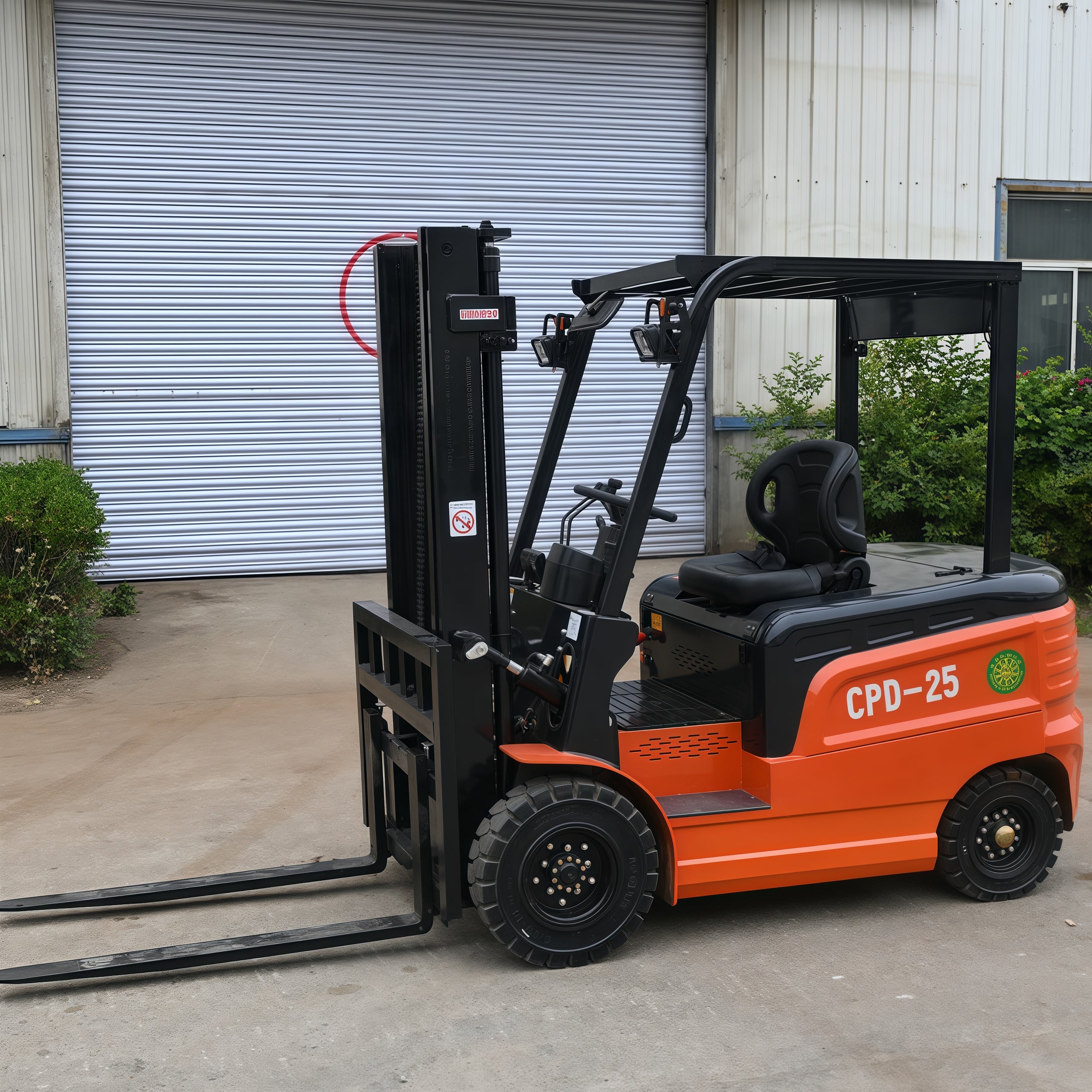
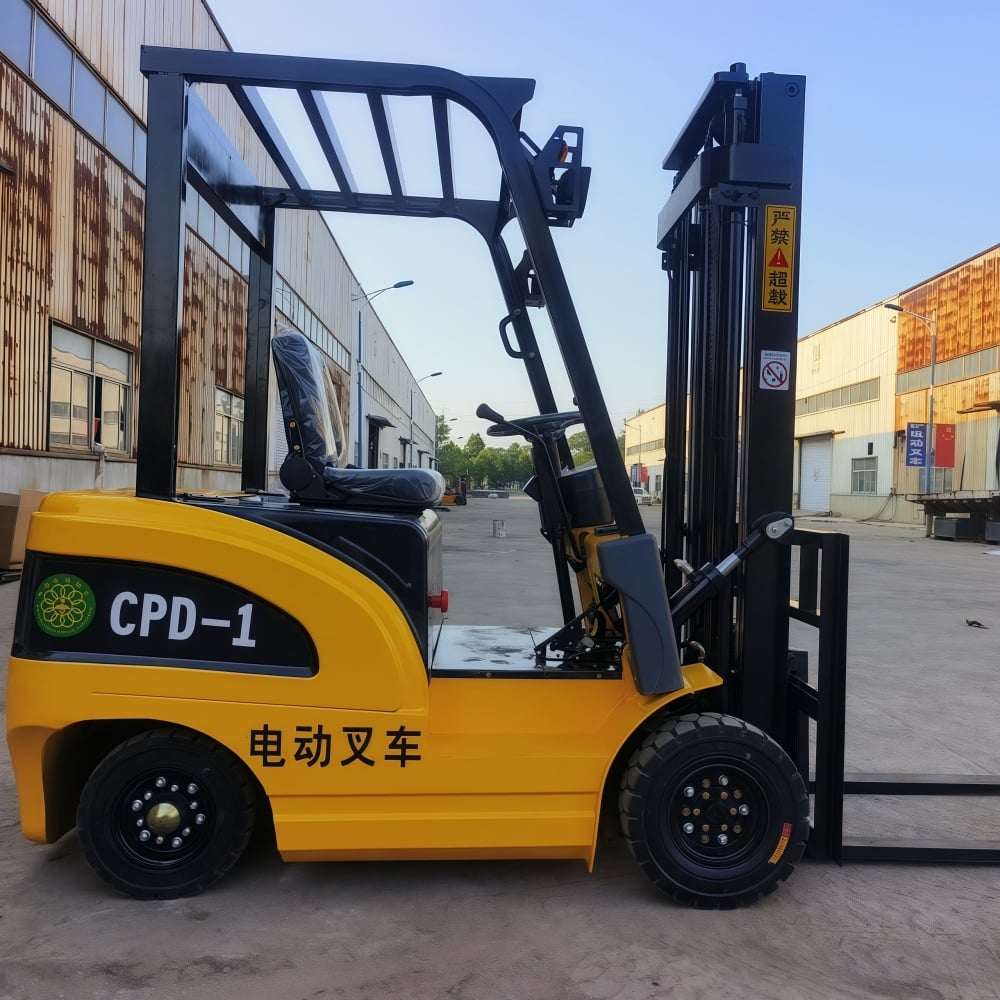
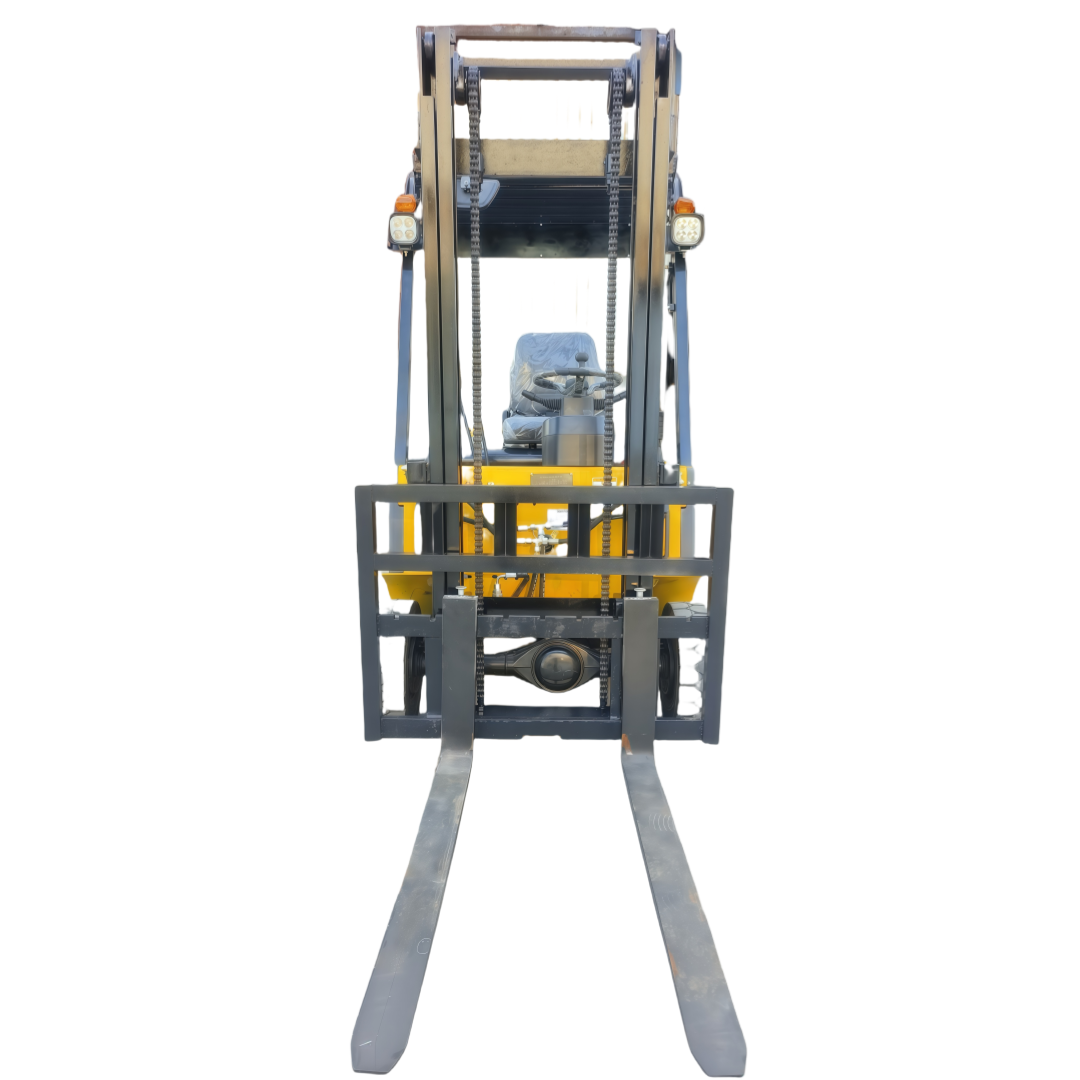
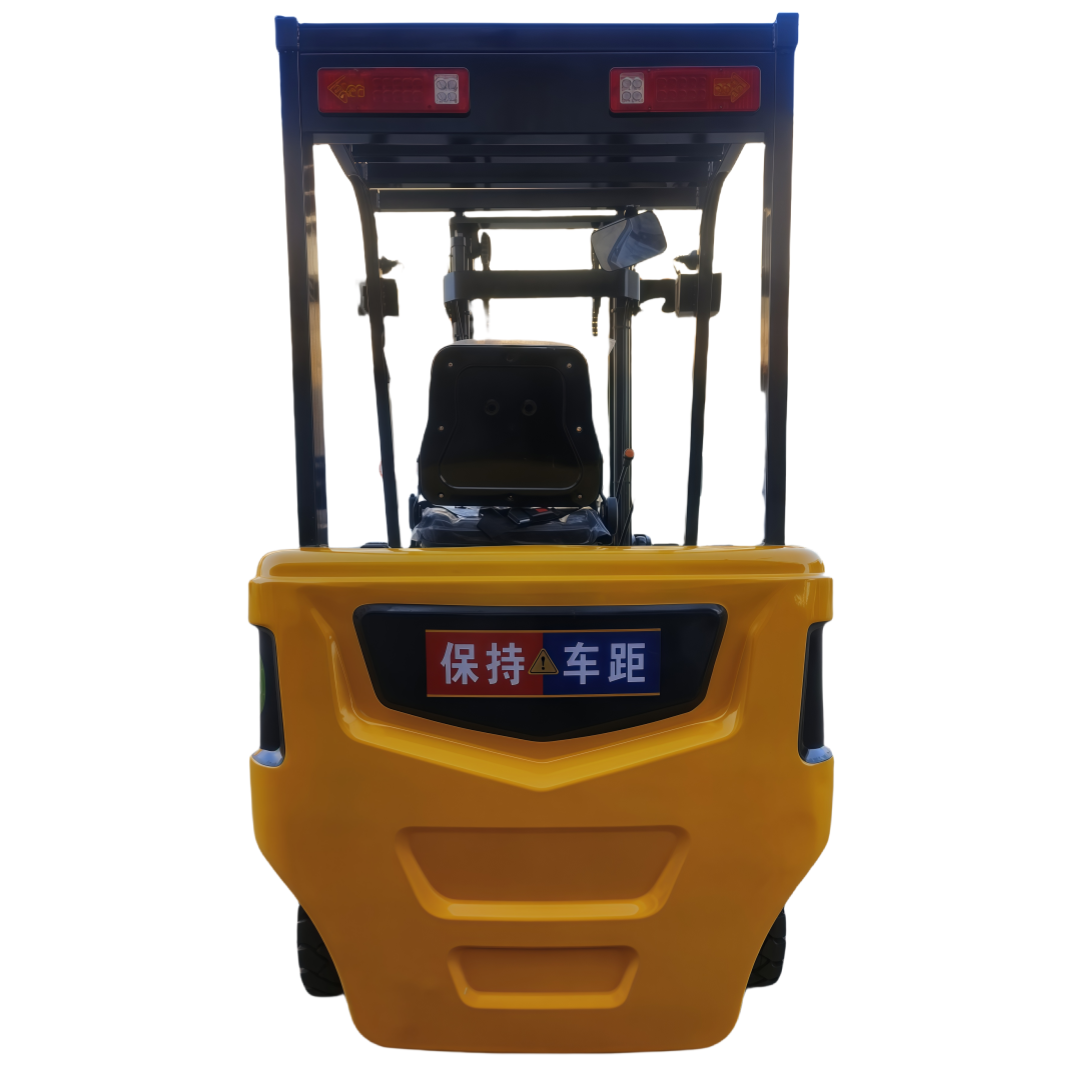
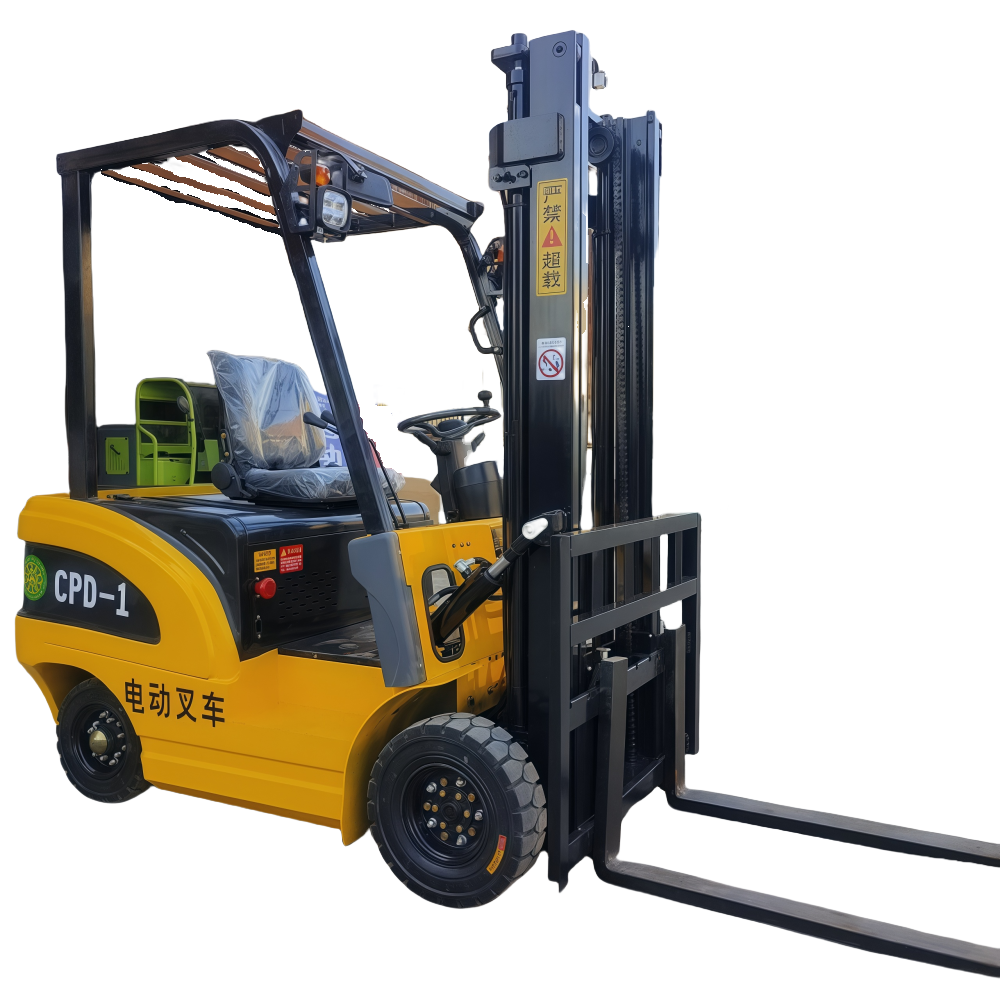
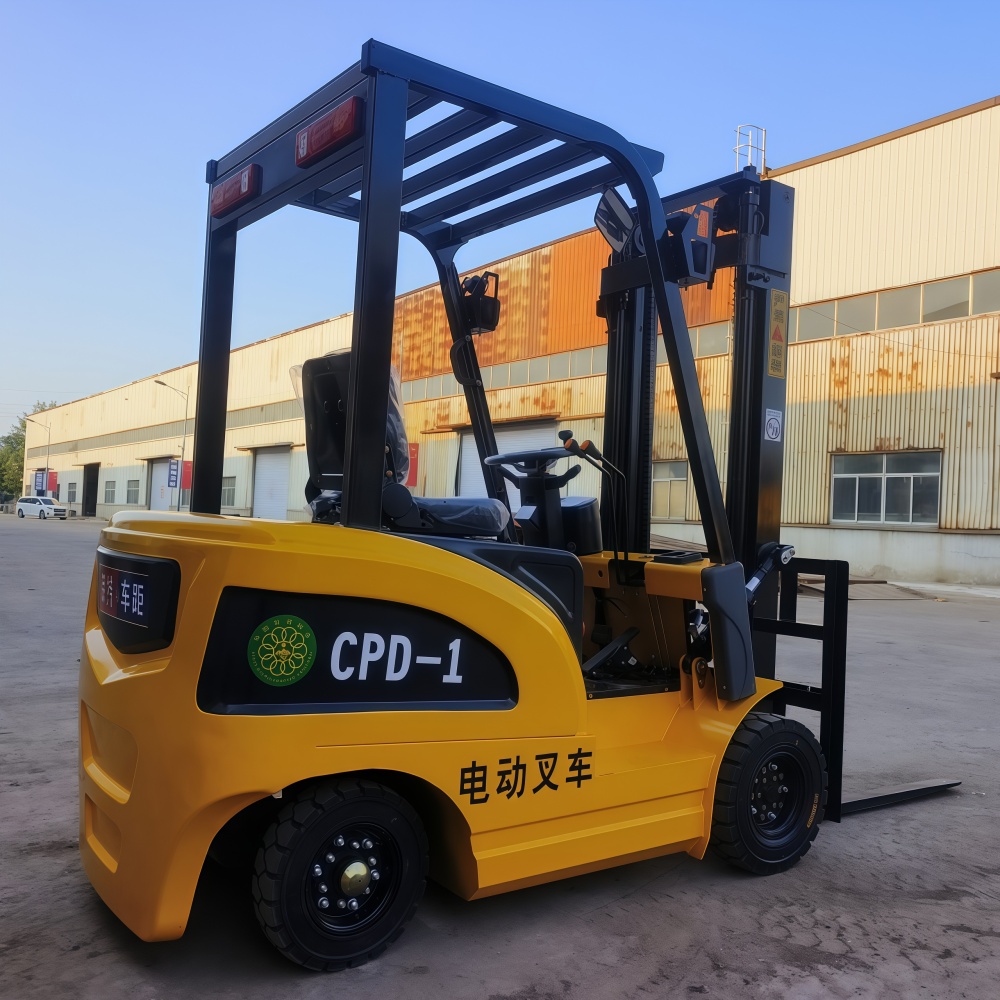
1-ton electric forklift for precision, clean, efficient indoor material handling.
Perfect Capacity
Handles 1,000kg (2,000 lbs), ideal for most standard warehouse tasks.
Indoor Optimized
Zero emissions and quiet operation for enclosed spaces and sensitive environments.
Operator Focused
Designed for performance, comfort, and minimal environmental impact.
The 1-ton (2,000 lbs or 1,000 kg) capacity electric forklift is a fundamental piece of material handling equipment, engineered for precision, cleanliness, and efficiency. Designed primarily for indoor use, it has become the backbone of operations in countless modern industries where performance, operator well-being, and environmental impact are paramount.
Power and Drive: Powered by a 48V AC electric drive motor, it delivers instant torque for responsive acceleration, smooth travel, and consistent lifting power, even under full load. This results in faster, more predictable work cycles.
Maneuverability and Stability: Engineered with a compact chassis and a tight turning radius, it operates adeptly in congested spaces. The low center of gravity, often achieved by positioning the battery low in the frame, ensures exceptional stability when handling loads at height.
Power Source - Battery Technology: The forklift's performance is directly linked to its battery system, with two main options:
Lead-Acid: A cost-effective, proven technology. It requires a disciplined charging routine and regular maintenance, including watering and equalization charges.
Lithium-Ion: The modern standard for intensive use. Lithium-ion batteries charge faster (often in 1-2 hours), allow for opportunity charging during breaks, and require zero maintenance. They offer a longer lifespan and consistent power output, making them ideal for multi-shift operations.
Operator Ergonomics and Safety: The operator's compartment is designed for comfort and control, featuring an adjustable seat, intuitive controls, and excellent visibility. The quiet operation reduces fatigue and noise pollution. Safety is integrated through features like an overhead guard, load backrest, horn, and anti-rollback technology for ramps.
Economic and Environmental Efficiency: This is its defining advantage. The cost of electricity is significantly lower than fossil fuels, leading to substantial operational savings. With far fewer moving parts—no engine, transmission, oil, or filters—maintenance costs and downtime are drastically reduced. The absence of emissions not only protects the indoor environment but also eliminates the need for expensive ventilation systems, contributing to a greener footprint and a safer workplace.
In conclusion, the 1-ton electric forklift is a sophisticated and intelligent asset. It is not merely a tool for moving goods but a strategic investment that enhances productivity, drastically lowers the Total Cost of Ownership (TCO), and fosters a superior, sustainable working environment. Its blend of power, precision, and clean operation solidifies its status as the intelligent choice for modern material handling.
Applications:
The true strength of the 1-ton electric forklift lies in its versatility within enclosed spaces. Its zero-local-emissions operation makes it indispensable in sectors where air quality is critical.
Warehousing and Logistics: It is the workhorse of distribution centers, performing essential tasks like loading/unloading trucks, transporting goods from receiving to storage racks, and order picking. Its compact design allows it to navigate narrow aisles with ease.
Food, Beverage, and Pharmaceutical Industries: In these sensitive environments, the absence of exhaust fumes prevents product contamination. The electric forklift is the only choice for maintaining sterile conditions in cold storage facilities, production areas, and clean rooms.
Manufacturing and Assembly Lines: It plays a crucial role in supplying production stations with raw materials and components. Its smooth and precise control allows for careful handling of delicate parts, supporting just-in-time manufacturing processes.
Retail and Printing: In large retail stockrooms or printing facilities, its clean operation prevents soot and pollutants from damaging sensitive products like clothing, paper, or packaged goods.
In summary, any indoor application requiring the repeated, reliable movement of palletized loads is an ideal scenario for the 1-ton electric forklift.
Advantages:
1.It produces zero emissions, making it perfectly safe and eco-friendly for indoor use in warehouses and food processing plants.
2.The electric motor operates much more quietly than internal combustion engines, significantly reducing noise pollution in the work environment.
3.It offers substantially lower operating costs due to cheaper electricity compared to fossil fuels and requires less maintenance.
4.The electric power provides instant torque for smooth and precise lifting and handling, enhancing operational control.
5.With fewer moving parts and no need for engine oil or filters, it ensures cleaner operation and reduces long-term maintenance expenses.
| Rated Load Capacity | 1 T |
| Overall Length (with fork) | 2970 mm |
| Overall Width | 1180 mm |
| Overall Height | 1150 mm |
| Max Lifting Height | 2100 mm |
| Mast Tilt Angle (Front/Rear) | 7°/13° |
| Full Load Lifting Speed | 17 mm/s |
| Max Gradeability (Loaded) | 15% |
| Operating Weight | 1600 kg |
1. Q: What is the biggest advantage of choosing an electric forklift over a diesel or LPG one?
A: The biggest advantages are significantly lower operating costs and zero emissions. Electric forklifts are cheaper to run (electricity vs. fuel), require less maintenance, and are clean and quiet, making them perfect for indoor use.
2. Q: How long can it operate on a single charge?
A: A fully charged battery typically powers an electric forklift for a standard 8-hour single shift. Actual runtime depends on the application, load, and how intensively it's used.
3. Q: What's the difference between Lead-Acid and Lithium-Ion batteries?
A: Lead-Acid: Lower upfront cost but requires regular maintenance (watering) and a dedicated charging area. It has a shorter lifespan.Lithium-Ion: Higher initial investment but offers zero maintenance, faster charging, and a longer lifespan. It can be "opportunity charged" during breaks without damaging the battery.
4. Q: Are electric forklifts powerful enough for heavy loads?
A: Yes. Modern electric forklifts are highly powerful and can handle heavy loads, often matching or exceeding the capacity of internal combustion engine forklifts. They provide consistent power and excellent performance.
5. Q: The upfront price seems high. How is it a better value?
A: While the initial purchase price can be higher, the Total Cost of Ownership (TCO) is much lower. You save massively on fuel, and reduced maintenance (no oil, filters, or spark plugs) leads to a strong return on investment over time.
6. Q: What kind of maintenance do they need?
A: Maintenance is much simpler. It mainly involves checking brakes, tires, and hydraulics. If you choose a Lead-Acid battery, regular watering and cleaning are required. Lithium-Ion batteries eliminate this maintenance entirely.
7. Q: Can I use it outdoors?
A: Electric forklifts are primarily designed for smooth indoor surfaces. However, many models are equipped with pneumatic tires and are robust enough for outdoor use on paved yards. They are not typically designed for rough, muddy terrain.
8. Q: How long does it take to recharge the battery?
A: A full recharge for a depleted Lead-Acid battery typically takes 8-10 hours. Lithium-Ion batteries charge much faster, often reaching full charge in just 2-3 hours, and can be partially charged during short breaks.
9. Q: Is it true that they are safer?
A: Yes. With no combustible fuel and zero emissions, they eliminate the risks of fire, fumes, and carbon monoxide poisoning indoors. Their quieter operation also improves awareness, though standard warning alarms are still essential for safety.
10. Q: What about the battery disposal at the end of its life?
A: Both battery types are highly recyclable. Lead-acid batteries have one of the highest recycling rates globally. Lithium-ion battery recycling programs are also well-established. We can guide you to certified recyclers to ensure environmentally responsible disposal.
Copyright © Shandong Laite Machinery Co., Ltd.@2025 - Privacy Policy

 EN
EN