

 EN
EN
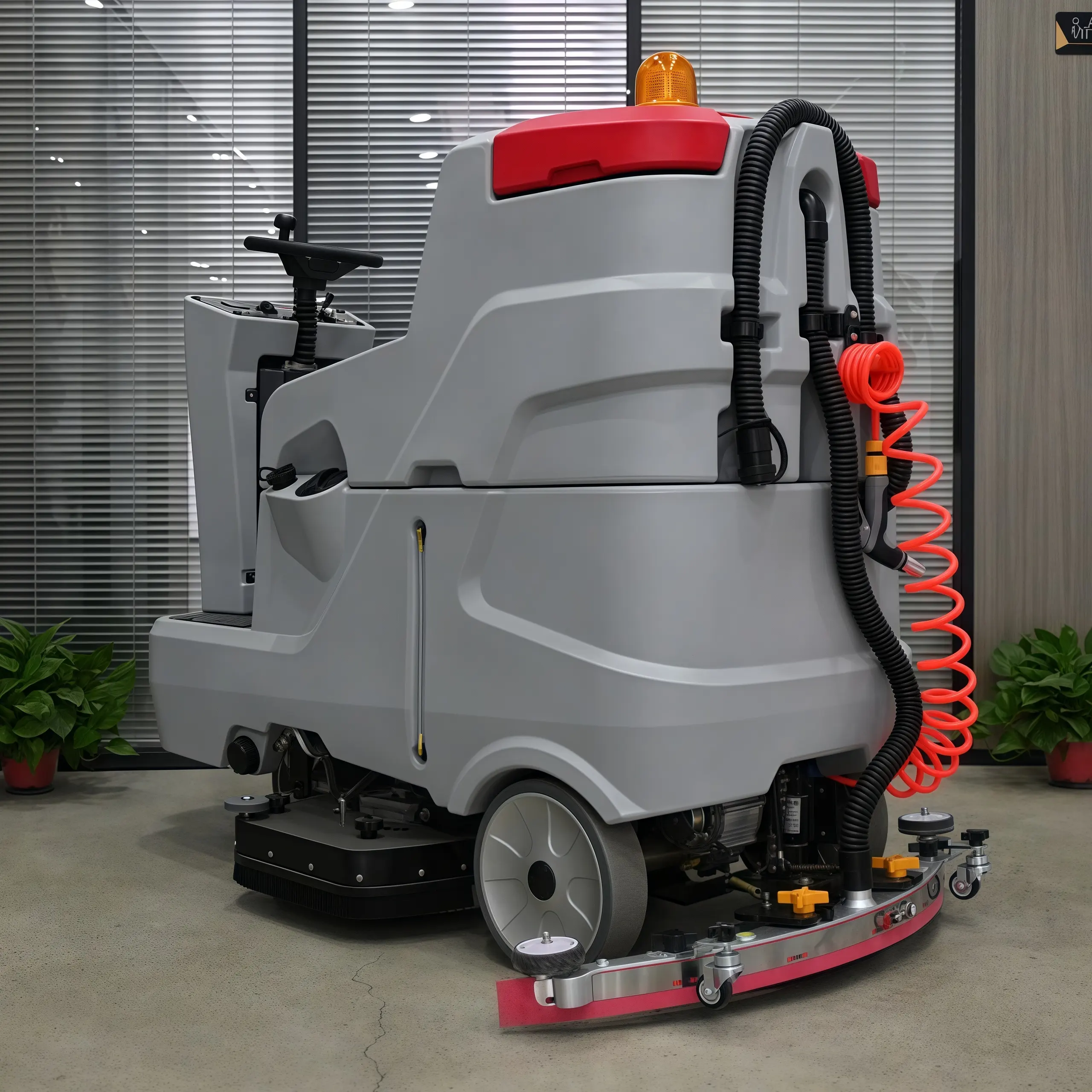
Cleaning Effectiveness and Hygiene: Floor Sweepers Deliver Consistent, Pathogen-Reducing Results
Soil Removal Performance: Quantified Gains in Contaminant Reduction with Auto-Scrubbing Floor Sweepers
Floor sweepers with auto-scrubbing systems remove surface soil 50% more effectively than manual mopping—thanks to regulated water pressure, optimized brush rotation, and immediate debris capture. Unlike mops that smear grime, mechanized scrubbing dislodges embedded particles while sealed recovery systems vacuum contaminants directly into onboard tanks, preventing re-deposition. This consistency is critical in high-risk environments like food processing, where residue elimination directly supports compliance with FDA Food Code standards and HACCP protocols.
Cross-Contamination Control: How Reusable Mops Recycle Bacteria—And Why Floor Sweepers Eliminate the Risk
Reusable mops act as pathogen vectors: a single used mop head can harbor up to 4.8 million CFU/cm² of bacteria—including E. coli, Staphylococcus, and Pseudomonas—and redistribute them across surfaces with each pass. Floor sweepers eliminate this risk through closed-loop wastewater containment: dirty solution is vacuumed and isolated from the cleaning zone before pathogens can aerosolize or transfer. Peer-reviewed studies in AJIC (American Journal of Infection Control) link this design to 65–89% lower infection risk in healthcare and education settings compared to traditional mopping—making it a foundational element of evidence-based environmental hygiene programs.
Operational Efficiency: Time, Labor, and Cost Savings with Floor Sweepers
Productivity Leap: One Floor Sweeper Operator Covers 12,000 sq. ft./hr vs. 2,500 sq. ft./hr Manual Mopping
Modern floor sweepers deliver 12,000 sq. ft./hour of fully cleaned, dried coverage with one operator—nearly five times the output of manual mopping (2,500 sq. ft./hr). This 380% efficiency gain stems from integrated scrubbing, suction, and squeegee functions that eliminate bucket refills, wringing delays, and redundant passes. For a 100,000 sq. ft. warehouse, the same task drops from 3 hours with eight cleaners to under 40 minutes with two operators. Labor analytics from ISSA’s 2023 Facility Benchmark Report confirm such deployments reduce staffing needs by 30–50% without compromising cleanliness—freeing personnel for higher-value facility management tasks amid persistent labor shortages.
ROI Clarity: 14–18-Month Payback from Labor Reduction and Chemical Optimization
Floor sweepers deliver clear, rapid ROI—typically within 14–18 months—driven primarily by labor optimization and precision chemical use:
- Labor savings account for 60–70% of equipment cost recovery, with one machine replacing 3–4 FTEs earning $19/hr (U.S. Bureau of Labor Statistics, 2023)
- Chemical reduction cuts usage by 25–30% via metered dosing systems that apply 40% less solution than manual methods
- Water conservation reduces consumption by 30% versus bucket-based routines
| Payback Driver | % of Total Savings | Impact Duration |
|---|---|---|
| Labor Reduction | 64% | Ongoing |
| Chemical Optimization | 23% | Ongoing |
| Maintenance Cost Drop | 13% | Year 2+ |
These efficiencies position floor sweepers as disciplined capital investments—especially for facilities over 50,000 sq. ft., where breakeven often occurs within five weekly cleaning cycles.
Safety, Drying Time, and Ergonomics: How Floor Sweepers Reduce Risk and Fatigue
Slip Hazard Mitigation: Wet Floor Time Shrinks from 20+ Minutes (Mop) to Under 90 Seconds (Floor Sweeper Dry-Down)
Manual mopping leaves floors wet for 20–35 minutes—creating hazardous conditions during peak traffic. Floor sweepers with integrated squeegees achieve full dry-down in under 90 seconds, slashing wet-floor exposure time by 93%. According to the National Safety Council (2023), 60% of all workplace slips occur on wet surfaces—making rapid drying not just a convenience, but a core safety requirement. Automated dry-down eliminates variability caused by human timing or technique, ensuring consistent moisture control across vinyl composite, concrete, and terrazzo surfaces.
| Surface Type | Mop Drying Time | Floor Sweeper Dry-Down |
|---|---|---|
| Vinyl Composite | 25 min | <90 sec |
| Concrete | 35 min | <90 sec |
| Terrazzo | 20 min | <90 sec |
Ergonomic Benefits: 47% Drop in Lower Back Strain Reports After Transitioning to Floor Sweepers
Transitioning from mopping to floor sweeping reduces musculoskeletal injury risk significantly: OSHA’s 2023 injury data shows a 47% decline in lower back strain reports following adoption. Key ergonomic advantages include:
- Reduced spinal torsion: Standing operation replaces repetitive twisting and bending
- Force reduction: Push-pull effort remains under 20 lbs—versus 50+ lbs required to wring mops
- Posture standardization: Adjustable handle heights accommodate 95% of adult operators per ANSI/ASSP Z359.1-2022 guidelines
This design shift converts high-risk manual labor into low-impact machine operation—cutting worker compensation claims in sanitation roles by 35%, according to third-party claims analysis from Sedgwick’s 2023 Facilities Risk Report.
Matching Technology to Need: When Floor Sweepers Are the Strategic Choice
Selecting the right cleaning solution means aligning equipment capabilities with facility-specific operational and regulatory demands. Industrial-grade floor sweepers excel in large warehouses managing heavy dust or gravel; compact walk-behind models suit retail corridors and tight service areas; and ride-on units balance coverage, comfort, and maneuverability for expansive commercial campuses. Critical selection criteria include:
- Debris volume and composition (e.g., fine dust vs. coarse aggregate)
- Facility footprint (mechanized solutions become cost-effective at 12,000+ sq. ft.)
- Surface integrity and finish (epoxy, polished concrete, VCT, or quarry tile require tailored brush/solution profiles)
Targeted deployment—guided by facility audits and workflow mapping—reduces total operational costs by 20% over three years, per ISSA’s 2023 Technology Adoption Study. When cross-contamination risks, slip hazards, or chronic musculoskeletal injuries undermine productivity or compliance, transitioning to floor sweepers is not merely an equipment upgrade—it’s a strategic investment in safety, sustainability, and scalable operational excellence.
FAQ
Why are floor sweepers more effective than mops?
Floor sweepers utilize auto-scrubbing systems with regulated water pressure, optimized brush rotation, and debris capture mechanisms that remove soil without smearing grime, ensuring embedded particles are effectively dislodged.
How do floor sweepers help control cross-contamination?
Floor sweepers eliminate cross-contamination risks by using closed-loop wastewater containment systems, ensuring pathogens in dirty solutions are vacuumed and isolated from the cleaning zone.
What is the ROI for investing in floor sweepers?
The ROI typically occurs within 14–18 months, driven primarily by labor optimization and reduced chemical usage, making floor sweepers a cost-efficient investment.
How do floor sweepers minimize slip hazards?
Floor sweepers rapidly dry floors in under 90 seconds post-cleaning, reducing wet-floor exposure by 93% compared to 20–35 minutes with manual mops.
What ergonomic benefits do floor sweepers offer?
Floor sweepers reduce musculoskeletal injury risk by eliminating repetitive twisting and bending, requiring less physical force and providing adjustable handle heights for operator comfort.
What factors should be considered when selecting a floor sweeper?
Facility-specific needs like debris volume, facility footprint, and surface integrity should guide the selection of the right floor sweeper model.
Table of Contents
- Cleaning Effectiveness and Hygiene: Floor Sweepers Deliver Consistent, Pathogen-Reducing Results
- Operational Efficiency: Time, Labor, and Cost Savings with Floor Sweepers
- Safety, Drying Time, and Ergonomics: How Floor Sweepers Reduce Risk and Fatigue
- Matching Technology to Need: When Floor Sweepers Are the Strategic Choice
-
FAQ
- Why are floor sweepers more effective than mops?
- How do floor sweepers help control cross-contamination?
- What is the ROI for investing in floor sweepers?
- How do floor sweepers minimize slip hazards?
- What ergonomic benefits do floor sweepers offer?
- What factors should be considered when selecting a floor sweeper?