

 EN
EN
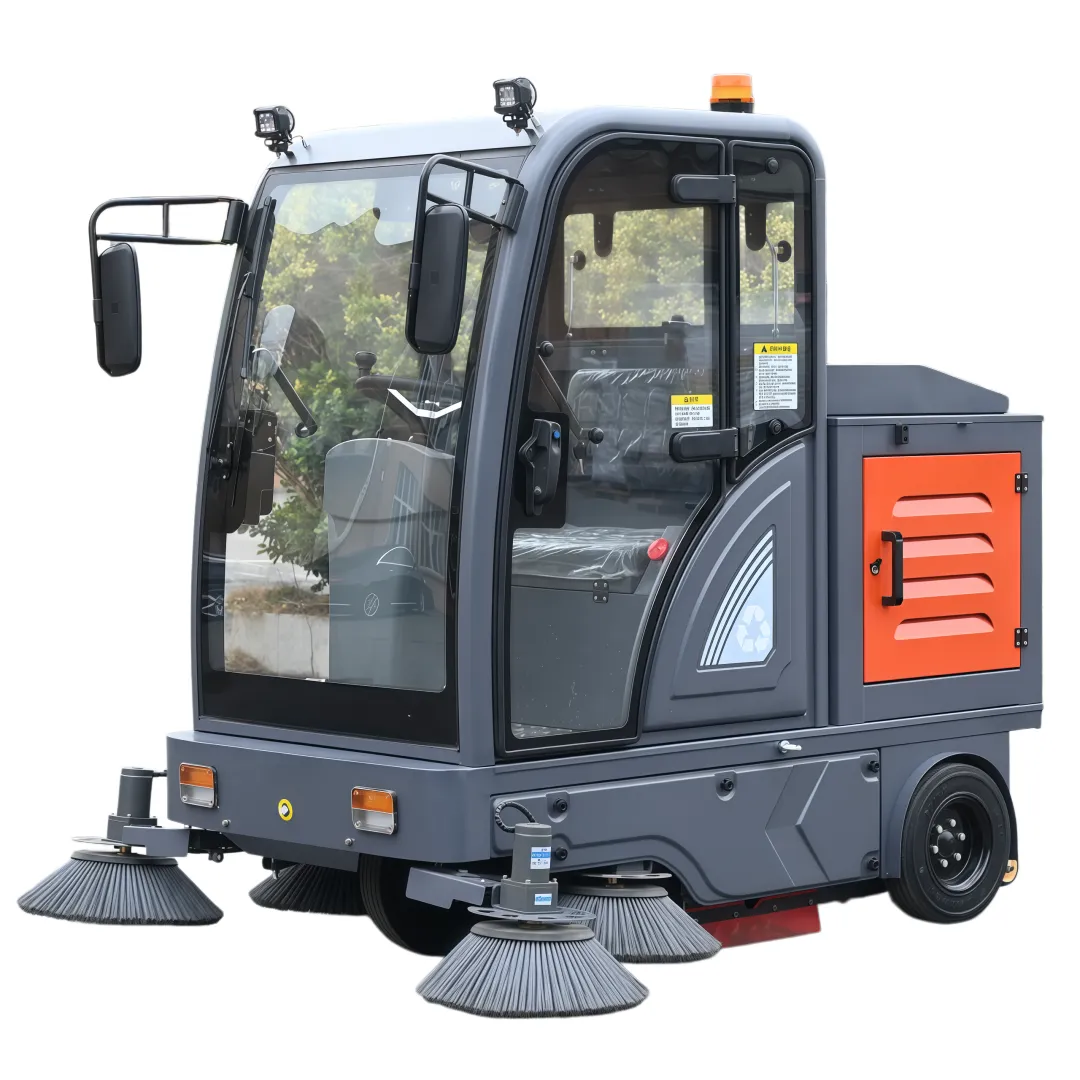
Core Performance: Measuring Road Sweeper Cleaning Efficiency
Dust Capture Rate and PM10/PM2.5 Reduction Metrics
The most critical measure of a road sweeper’s effectiveness is its ability to remove fine particulate matter—especially PM10 and PM2.5—which pose serious respiratory health risks and contribute to urban smog. Under standardized test conditions, high-performance sweepers achieve at least 85% PM10 and 70% PM2.5 capture in a single pass. These figures are determined by weighing dust collected on calibrated filters before and after sweeping.
While lab-based testing provides controlled baselines, real-world performance depends heavily on variables like wind, surface moisture, debris composition, and traffic patterns. To bridge this gap, leading models now integrate real-time particulate monitors—mounted directly on the vehicle—that feed live feedback on capture efficiency. This enables operators to dynamically adjust brush speed, water spray volume, and vacuum pressure for optimal results.
For municipalities aiming to meet EPA air quality standards, investing in sweepers with third-party–certified PM reduction metrics isn’t just advisable—it’s essential for regulatory compliance. Marketing claims without verifiable, independently tested data should be treated with skepticism.
Real-World Field Testing Protocols for Road Sweeper Validation
Lab results alone cannot predict how a sweeper will perform on actual city streets. Credible field validation evaluates cleaning efficiency under realistic conditions: typical pavement types, curbs, standing water, parked vehicles, and mixed debris loads—including sand, gravel, leaf litter, and litter.
Industry-aligned protocols call for consistent test passes at 3–7 mph with a fully loaded hopper and standard water flow. Debris mass per pass is measured against pre-sweep dirt load samples, with GPS tracking used to verify speed and route fidelity—critical because minor deviations significantly affect comparability. Repeatability is confirmed through three identical passes, yielding an average efficiency score.
Buyers should insist on on-site demonstrations using their city’s characteristic debris and infrastructure—not just idealized test tracks. A 30-day pilot program generates far more actionable insight than any spec sheet. Prioritize suppliers who provide raw performance logs (not just summary percentages), enabling deeper analysis of consistency, adaptability, and long-term reliability.
Durability & Lifecycle Value: Maintenance Demands and Operating Costs
The true cost of a road sweeper extends well beyond its sticker price. Daily operational expenses—fuel, water, labor, and replacement parts—compound rapidly. Machines requiring frequent brush changes or filter replacements erode budgets and increase downtime. Conversely, purpose-built designs with easy access to wear components significantly reduce maintenance time and cost.
Smart procurement means calculating total cost of ownership (TCO) over a realistic five-year service life. Lower initial bids often conceal higher long-term maintenance demands—making TCO analysis non-negotiable.
Brush Wear, Filter Longevity, and Hydraulic System Reliability
Three components drive the majority of scheduled and unscheduled maintenance:
- Brush wear varies by surface type and contact pressure: steel wire brushes on asphalt typically require replacement every 3–6 months, while polypropylene variants on concrete can last up to 12 months.
- Filter longevity directly affects dust retention, suction performance, and operator cabin air quality. Pleated polyester filters generally last 1,000–2,000 operating hours before loading degrades airflow—though self-cleaning filter cycles can extend service intervals.
- Hydraulic system reliability underpins sweeping power, steering responsiveness, and overall machine control. Leaks and pump degradation commonly emerge after ~2,000 hours; selecting a model with accessible hydraulic test points and an efficient cooling circuit minimizes unplanned failures.
Prioritizing these three areas—brush design, filtration strategy, and hydraulic architecture—delivers measurable gains in uptime, cost predictability, and fleet productivity.
Supplier Trust & Compliance: Certifications, Warranty, and Support for Road Sweepers
ISO, CE, and EPA-Aligned Certifications and Post-Sale Service Benchmarks
Selecting a dependable road sweeper manufacturer hinges on verifying adherence to internationally recognized quality and environmental standards. ISO certification signals rigorous process controls and consistent manufacturing quality. CE marking confirms compliance with EU health, safety, and environmental directives—often serving as a proxy for robust engineering discipline. EPA-aligned certifications (e.g., EPA SmartWay designation or verified low-emission engine configurations) validate reduced environmental impact and alignment with U.S. air quality goals.
Beyond certifications, post-sale support determines long-term value. A comprehensive warranty covering brushes, filters, and hydraulic systems meaningfully reduces ownership risk. Equally important are documented service benchmarks: spare parts availability (ideally <48-hour lead times for critical items), technical support response windows, and full access to repair documentation and schematics.
Top-tier suppliers go further—offering proactive maintenance planning tools, operator training modules, and remote diagnostics. Prioritizing vendors with enforceable service-level agreements (SLAs) and transparent warranty terms ensures continuity, protects capital investment, and strengthens operational resilience.
Making Informed Decisions Amid Industry Standardization Gaps
The road sweeper market lacks unified global performance standards—a gap that places greater responsibility on buyers to conduct independent verification. Unlike highly regulated sectors, sweeping equipment has no universal benchmark for dust capture, brush life, or energy efficiency.
To navigate this landscape, request detailed, test-backed data from manufacturers—not just marketing summaries—particularly for dust capture rates, component longevity, and real-world fuel/water consumption. Third-party validation of reliability and operating cost metrics adds essential credibility.
Focus on suppliers with transparent maintenance records, scalable technical support networks, and a demonstrated commitment to field trials—not just lab reports. Compare lifecycle cost projections against your city’s specific usage patterns: curb-heavy routes, seasonal debris loads, and climate-driven wear factors all influence ROI.
Independent, real-world testing remains the most reliable method to assess true capability. Prioritize vendors who voluntarily submit equipment to rigorous, publicly reported field evaluations—because when standards are absent, transparency becomes the strongest indicator of trust.
FAQ
Q: What are the key metrics for evaluating a road sweeper's cleaning efficiency?
A: The most critical metrics are PM10 and PM2.5 capture rates, which indicate the sweeper's ability to remove harmful fine particulate matter. High-performance sweepers achieve at least 85% PM10 and 70% PM2.5 capture under standardized conditions.
Q: Why is real-world field testing important for road sweepers?
A: Real-world testing evaluates performance under actual conditions like diverse pavement types, curbs, standing water, and mixed debris loads. It provides insights that lab tests alone cannot, ensuring equipment meets your city's specific needs.
Q: How can municipalities ensure they meet regulatory air quality standards?
A: Municipalities should invest in third-party-certified sweepers with verifiable data on PM reduction rates to comply with EPA air quality standards. Avoid equipment with unverifiable marketing claims.
Q: What factors contribute to a road sweeper’s total cost of ownership (TCO)?
A: TCO includes daily operational costs like fuel, water, labor, and replacement parts, as well as long-term maintenance demands over a typical five-year service period.
Q: How significant are certifications when selecting a road sweeper?
A: Certifications like ISO, CE, and EPA-aligned designations validate quality, safety, and environmental compliance. They indicate a manufacturer's commitment to meeting international standards.