

 EN
EN
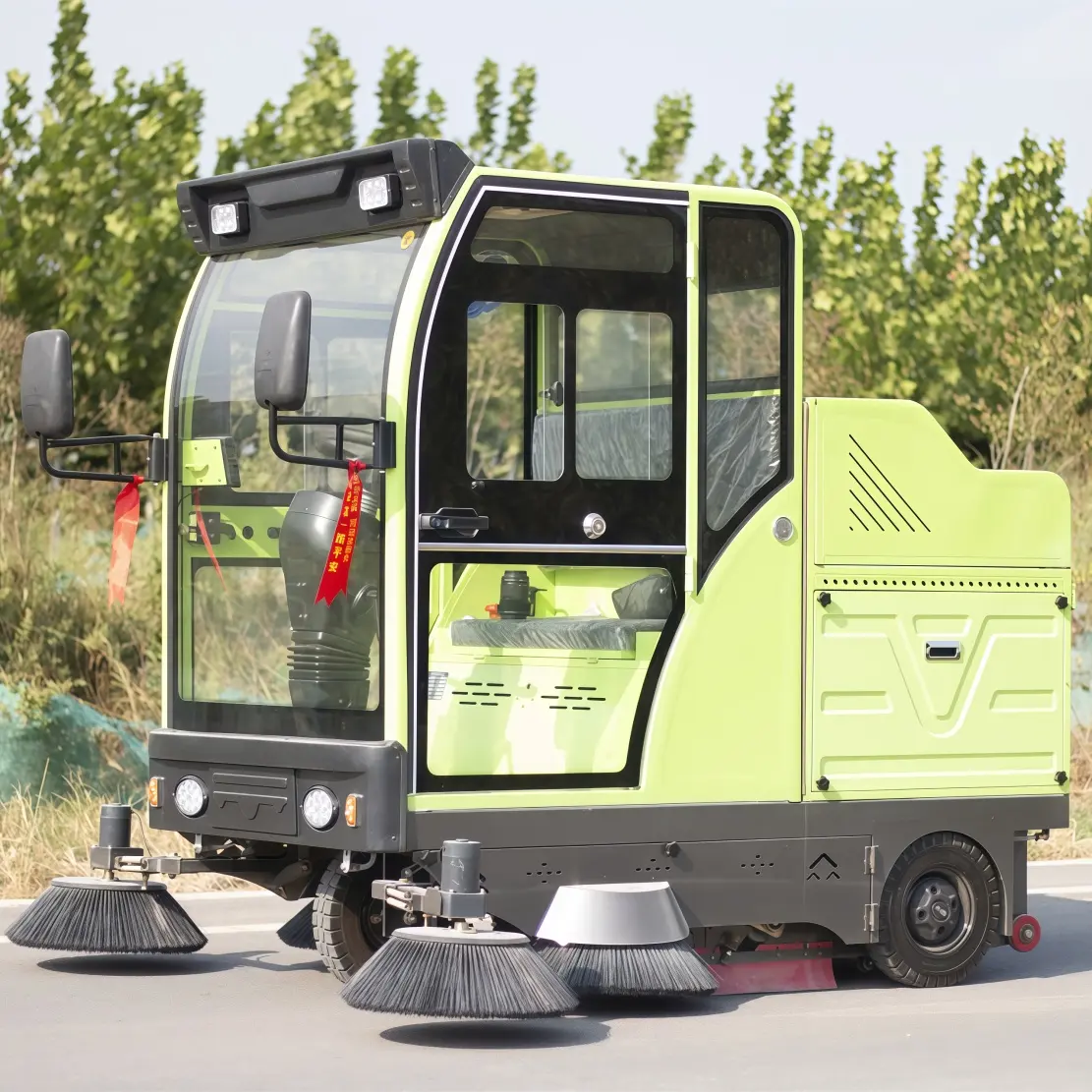
Road Sweeper Fundamentals: Equipment Types and Model-Specific Operational Requirements
Mechanical, Regenerative-Air, and Vacuum Road Sweeper Systems: Key Functional Differences
Road sweepers fall into three primary categories based on their debris collection mechanisms. Mechanical broom sweepers use rotating brushes to sweep material into a hopper; they excel on coarse debris and uneven surfaces but generate dust. Regenerative-air sweepers blow high-velocity air onto the pavement, creating a vacuum to capture particles; they are highly effective for fine dust and stormwater compliance. Vacuum sweepers rely solely on suction—typically via a pivot-mounted hose or nozzle—and are ideal for deep-cleaning gutters and confined spaces. Each system demands distinct operator skills: brush pressure calibration, air velocity management, suction dwell time, and hopper unloading procedures. Mastery of these principles is essential to prevent equipment damage, minimize airborne emissions, and sustain cleaning efficiency.
Why One-Size-Fits-All Training Fails — The Critical Need for Road Sweeper Model-Specific Protocols
Generic training overlooks critical differences in controls, safety systems, and maintenance routines across models. A regenerative-air unit, for instance, requires precise fan-speed management to balance dust suppression and energy use, while a vacuum sweeper demands strict adherence to filter-cleaning cycles to maintain suction integrity. Without model-specific protocols, operators misinterpret joystick sensitivity, misalign backup camera fields of view, and misread fault-light diagnostics—leading to avoidable downtime, elevated repair costs, and regulatory non-compliance. Effective training must reflect the exact make, model, and configuration in service, covering pre-shift inspections, hydraulic pressure thresholds, and load-sensing system behavior. Efficiency gains from standardized instruction are outweighed by operational risk—competency gaps compromise both safety and performance.
Pre-Operation Safety and Compliance: Inspections, Documentation, and Liability Mitigation
Standardized Pre-Shift Road Sweeper Inspection Checklist (OSHA/FMCSA-Aligned)
A comprehensive pre-shift inspection checklist is foundational to safe road sweeper operation and aligns with Occupational Safety and Health Administration (OSHA) and Federal Motor Carrier Safety Administration (FMCSA) requirements. Operators must systematically verify tires for wear and inflation, inspect hydraulic hoses for bulges or leaks, confirm fluid levels (engine oil, coolant, hydraulic fluid), and test safety-critical components—including lights, brakes, audible alarms, and emergency stop functions. Documenting each check establishes a defensible legal record of due diligence. Industry safety studies show that consistent implementation of this protocol reduces liability exposure by 74%, significantly lowering the risk of fines, litigation, and workplace incidents.
Digital Log Management: How Inspection Records Support Compliance and Reduce Legal Risk
Transitioning from paper-based to cloud-based digital log management strengthens compliance through automation and traceability. These systems timestamp every inspection, geotag entries where applicable, and generate immutable audit trails—evidence that proves adherence to OSHA and FMCSA standards during investigations or audits. This verifiable documentation reduces negligence claims by 63%, according to peer-reviewed findings in the Journal of Occupational Safety (2023). Real-time alerts for overdue or incomplete inspections further reduce liability exposure while ensuring fleet-wide readiness and accountability.
Real-World Road Sweeper Operation: Adaptive Techniques and On-the-Job Troubleshooting
Optimizing Speed, Brush Pressure, and Suction for Wet, Dry, Gravel, and High-Debris Conditions
Effective road sweeper operation hinges on real-time adaptation of speed, brush pressure, and suction to match surface conditions and debris load. On wet pavement, reduce forward speed to 3–5 mph and increase brush pressure to dislodge mud and compacted silt; pair with high suction to prevent slurry re-deposition. In dry conditions, operate at 5–7 mph with standard brush pressure and reduced suction to suppress dust and improve fuel economy. On gravel or unpaved surfaces, slow to 2–3 mph, slightly raise the brush to avoid stone ejection, and maximize suction to recover loose aggregate. In high-debris zones—such as construction corridors or leaf-heavy residential streets—a two-pass technique delivers optimal results: first, use low speed and high brush pressure to break up dense piles; then follow with a second pass at standard settings for final cleanup. Operators should monitor machine feedback—including vacuum gauge fluctuations and brush motor torque—and adjust parameters in 10% increments until pickup performance stabilizes.
Immediate Operator Response to Common Road Sweeper Faults: Clogs, Hydraulic Issues, and Filter Alarms
Even well-trained operators encounter sudden faults—prompt, correct response is key to minimizing downtime and preserving equipment life. A sudden loss of suction typically signals a blockage in the main hose or hopper inlet. The immediate action is to stop the brush and fan, raise the suction nozzle, and visually inspect the intake path. If obstruction is confirmed, reverse the fan briefly (if equipped) or manually clear the line—never force suction while blocked. For hydraulic issues—such as failure to lower or tilt the brush—check fluid level and inspect for visible leaks; cycle the control valve several times to purge trapped air. When a filter alarm activates, stop the machine immediately, clean or replace the primary filter per OEM specifications, and reset the monitoring system. Never bypass or override alarm systems: doing so risks engine overheating, turbocharger damage, and violation of EPA emission standards. All faults must be logged in the on-board digital system and escalated to maintenance if recurrence suggests systemic issues.
FAQ
1. What are the primary types of road sweepers?
The three primary types are mechanical broom sweepers, regenerative-air sweepers, and vacuum sweepers, each with unique mechanisms and optimal usage scenarios.
2. Why is model-specific training essential for road sweepers?
Model-specific training ensures operators understand their equipment's unique controls, safety features, and maintenance procedures, reducing operational risks and downtime.
3. What does a standard pre-shift road sweeper inspection include?
A pre-shift inspection typically covers tire wear, hydraulic hoses, fluid levels, and safety-critical components like brakes and alarms.
4. How does digital log management enhance compliance?
Digital logs automate timestamping and geotagging, creating immutable audit trails that demonstrate adherence to OSHA and FMCSA standards, reducing legal risks.
5. What adaptive techniques should operators use for different sweeping conditions?
Operators should adjust speed, brush pressure, and suction settings based on surface conditions, such as wet, dry, gravel, or high-debris environments.