

 EN
EN
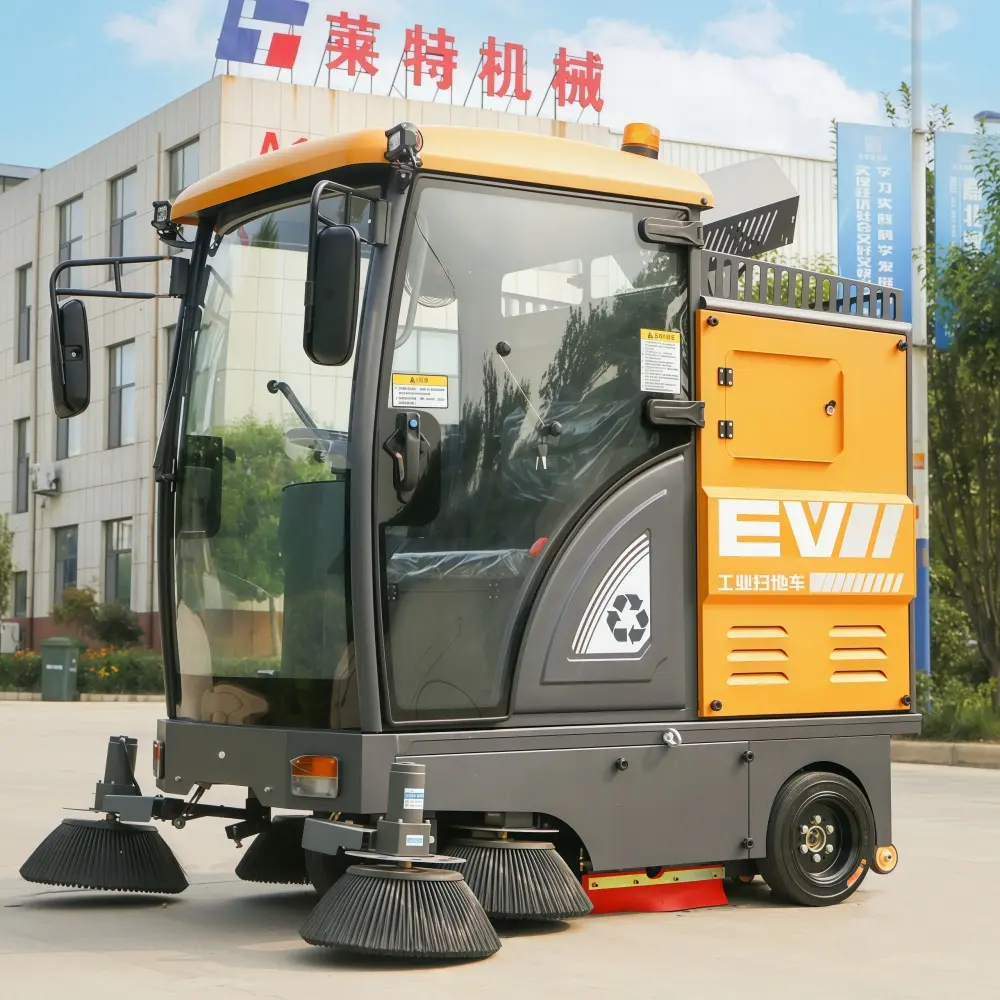
Dust Control Limitations of Mechanical Road Sweepers
Fugitive Dust Generation: How Mechanical Sweeping Worsens Air Quality
Road sweepers with mechanical brushes work by spinning their bristles to knock loose dirt and grime from streets. But there's a downside to this method. The sweeping action often kicks up PM10 and PM2.5 particles into the atmosphere as dust escapes. Studies have shown these machines might actually raise local PM2.5 concentrations by around 20 percent or more in busy urban spots. That means breathing problems get worse for nearby residents and communities struggle to meet clean air goals. Mechanical sweepers don't have proper containment systems or ways to catch particles right away, so tiny pollutants just float off into the air where people live and work. For places like schools, hospitals, and transportation centers where vulnerable populations gather, these machines simply aren't appropriate choices.
Wet Mechanical Sweeping Pitfalls: Mud Formation and Incomplete Dust Suppression
Water sprays on mechanical sweepers aren't really fixing the core issue when it comes to picking up fine dust particles. What happens instead is that the water tends to mix with small debris creating this slick mud stuff all over the place. That creates dangerous slip conditions and means someone has to come back later for another round of cleaning. Research indicates that most of the time, the water just doesn't cover everything properly or gets applied in too little quantity. As a result, around 30 to maybe even 40 percent of those tiny dust particles stay floating in the air because either the water didn't reach them at all or evaporated way too fast. Because of this problem, operators end up making several trips over the same area, which burns through more fuel and water than necessary while still failing to meet what city regulations require for proper dust control. This whole situation basically defeats the purpose of trying to be environmentally friendly and compliant with urban standards these days.
Superior Fine Particle Capture and Air Quality Compliance
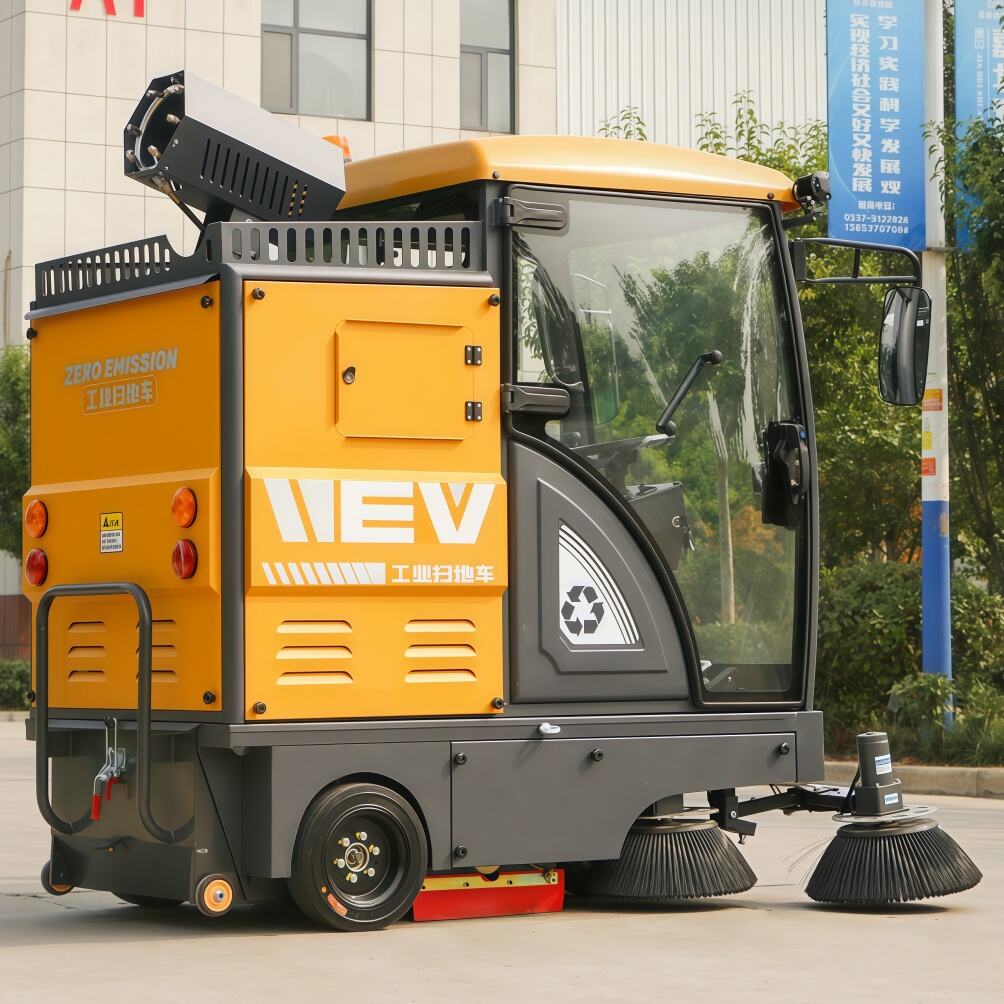
PM10 and PM2.5 Reduction Through Vacuum Suction Efficiency
Road-Deposited Particles Removal: Why Vacuum Sweepers Excel in Urban Air Quality Management
Roads in cities collect all sorts of dangerous particles over time - think brake dust from cars, bits worn off tires, plus nasty stuff like cadmium and lead. These particles are tiny, smaller than 10 microns, which means they can get deep into lungs when people breathe them in. The newer vacuum sweepers actually work better at picking this stuff up because they use special airflow techniques that have been tested according to those ISO standards everyone talks about. Their adjustable nozzles stay close to the ground even on bumpy roads, so they pick up around 92% of the harmful metals left behind. That number comes from recent checks done by the European Environmental Agency back in 2023. Regular mechanical sweepers aren't so great though - they tend to kick up about 30% of the fine particles again as dust floating around. Cities that switched to vacuum cleaning systems saw results much quicker too. Some places hit their clean air goals for zones around schools and hospitals about half as fast as before when they started using these systems daily for maintenance.
Material Handling Performance: Matching the Right Road Sweeper to Debris Type
Vacuum Road Sweepers for Fine Dust, Sand, and Pollutants
Road sweepers that use vacuum technology work best when dealing with tiny particles smaller than half a millimeter across. These include things like PM2.5 particles, silica dust from construction sites, and various industrial contaminants. The powerful suction system can pick up over 95 percent of sand and dirt particles most of the time. This helps keep those particles from floating back into the air while sweeping takes place, which cuts down on unexpected pollution release. For areas concerned about clean air standards, worker safety regulations, and maintaining good air quality in cities over years rather than just months, these vacuum sweepers tend to be the go to option among professionals who deal with environmental concerns regularly.
Mechanical Road Sweepers’ Niche: Heavy, Coarse Debris Only
Mechanical sweepers perform effectively only with heavy, non-friable debris larger than 3mm—such as gravel, construction rubble, and fallen branches—clearing these up to 30% faster than vacuum systems. However, they fail dramatically with fine materials:
| Debris Type | Recommended System | Performance Notes |
|---|---|---|
| Gravel / Rocks | Mechanical | 92% clearance efficiency |
| Leaves / Organic | Hybrid | Moderate dust control |
| Fine Dust / Sand | Vacuum | 40% higher capture than mechanical |
| Construction Debris | Mechanical | Optimal for >5mm particles |
When deployed outside this narrow range—especially for dust under 1mm—mechanical sweepers generate up to 70% more airborne particulates due to brush agitation. Their open design lacks sealed containment and filtration, rendering them incompatible with today's pollution-sensitive infrastructure and regulatory expectations.
FAQ
Why are vacuum sweepers better for urban air quality management?
Vacuum sweepers are better because they capture fine particles such as PM10 and PM2.5 more efficiently, which are harmful pollutants. They use specialized airflow techniques that have higher effectiveness in picking up harmful particles compared to mechanical sweepers.
How do vacuum sweeper systems contribute to clean air standards?
Vacuum sweepers contribute to clean air standards by capturing over 95% of fine dust and sand particles, reducing airborne pollution, and aiding in reaching environmental goals faster. They are especially suitable for sensitive areas surrounding schools and hospitals.
What are the limitations of mechanical road sweepers?
Mechanical sweepers have limitations such as generating fugitive dust, which increases PM2.5 levels. They also tend to spread fine dust rather than capture it, failing to meet urban environmental compliance for dust control.