

 EN
EN
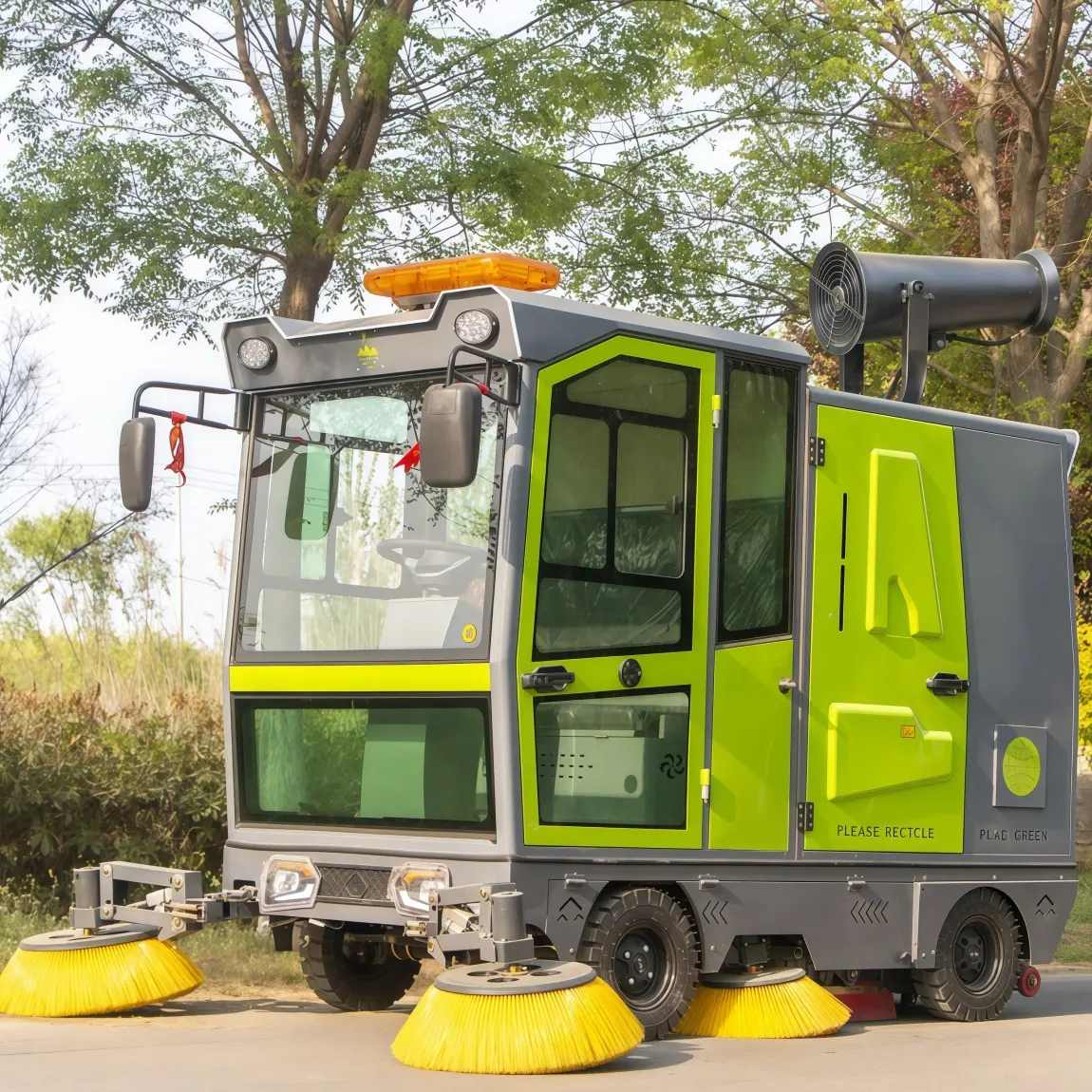
Load Capacity Fundamentals: How Payload Limits Define Road Sweeper Productivity
Payload vs. Chassis Rating vs. Real-World Debris Density
The payload capacity of road sweepers refers to how much debris their hoppers can handle before putting strain on the vehicle frame. But what actually happens out there on the streets varies a lot depending on what kind of stuff gets picked up. For instance, those light-as-air leaves might fill up the hopper visually, yet barely scratch the weight limit at around 300 kg per cubic meter. Meanwhile, when dealing with heavy wet sand from construction sites (which clocks in at roughly 1600 kg per cubic meter), even half a full hopper can push past safe weight thresholds. Just going by how full something looks creates problems down the line - we've seen trucks suffer serious frame damage, axles wear out faster, and maintenance bills jump by as much as 40%. Smart operators adjust their loading based on what they know about local conditions and plan routes accordingly so they stay within legal limits and keep repair costs manageable over time.
The 92% Load Threshold Effect: Field Evidence of Diminishing Coverage Returns
Going beyond 92% of maximum payload starts causing real efficiency problems. Braking distances get longer by about 18%, turning becomes significantly harder on curves with a 25% drop in maneuverability, and compacting debris takes 8 to 12 extra minutes per load which cuts down daily coverage by roughly 2.3 kilometers according to municipal fleet records. What's really telling is when sweepers run at 97% capacity they actually gather just 4% more trash compared to running at 90%. But here's the catch: those machines need 22% more downtime for maintenance while covering 18% fewer streets overall. Most operators find that staying within the 85 to 92% range keeps things running smoothly without losing much in terms of what gets collected from the streets.
Water Tank Size Strategy: Matching Capacity to Route Demands and Cleaning Standards
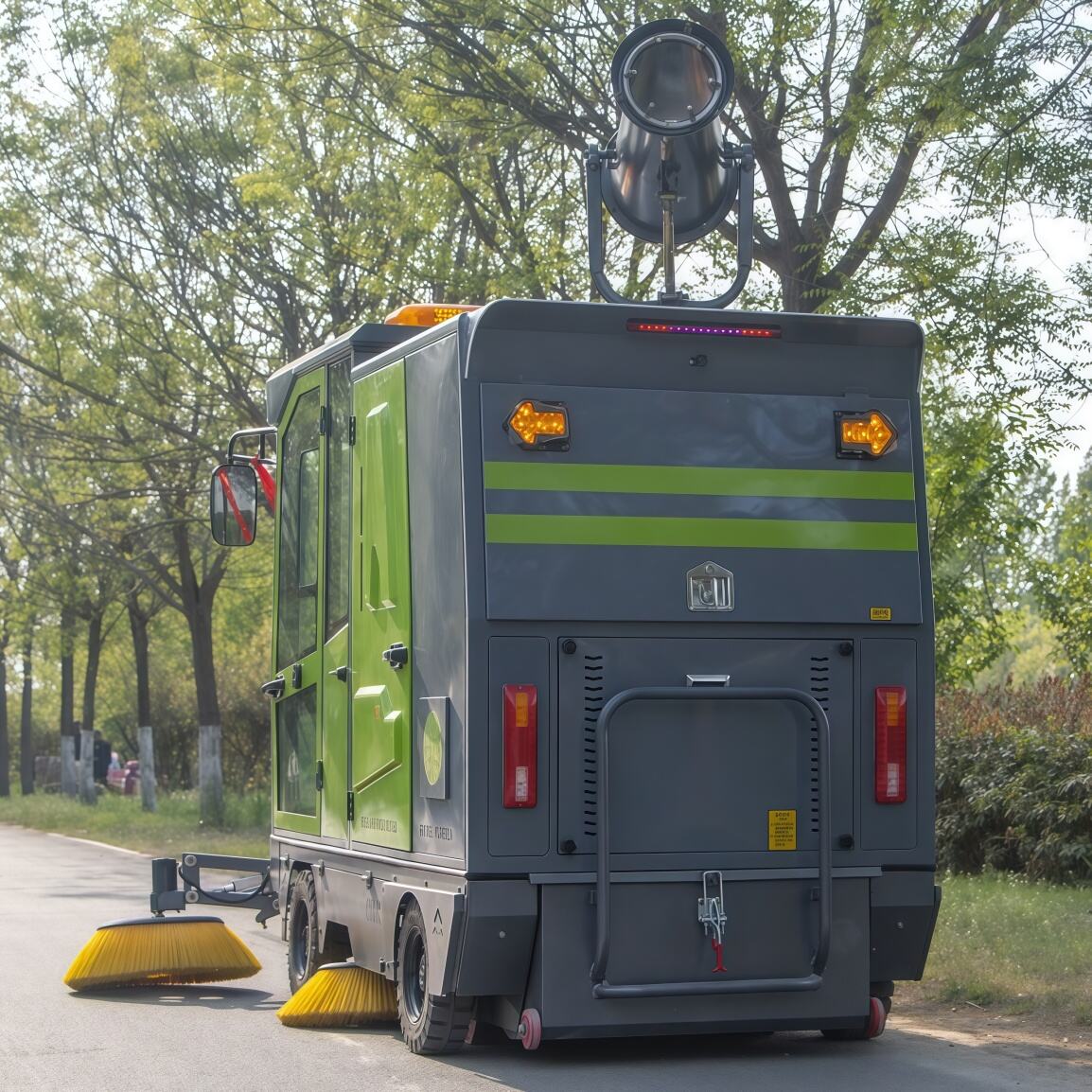
Municipal vs. Industrial Road Sweeper Tank Standards (400L–2,500L)
City street sweepers working in town areas where they can easily reach water stations and cover short distances under 15 kilometers generally work best with tanks ranging from 400 liters to around 1,200 liters. These sizes strike a good balance between being maneuverable enough for tight city streets, effective at controlling dust, and meeting those ISO 14045 environmental regulations that cities have to follow. On the other hand, bigger sweepers used at construction sites or mines need much larger tanks, somewhere between 1,500 liters and 2,500 liters, since they often travel longer distances over 30 kilometers without stopping. The amount of water needed also changes depending on what kind of job it is doing. For regular street cleaning in towns, about 0.8 liters per square meter usually works fine. But when dealing with serious dust problems at industrial sites, crews tend to use closer to 1.5 liters per square meter. Getting the right tank size makes sense because it means fewer stops for refilling water, which keeps operations running smoothly and helps maintain good air quality throughout the day.
Refill Optimization Case: 1,200L Tank on Shandong Laite LT-8500 Cuts Stops by 64%
In a recent field test conducted last year, when technicians upgraded the water tank capacity of the Shandong Laite LT-8500 model from 800 liters to 1,200 liters, they saw something pretty impressive happen. Refill breaks during those long 8 hour workdays dropped by around two thirds. What does that mean practically? Well, cleaning crews could keep going for almost 2 extra hours straight through each shift. On those tough 25 kilometer industrial cleaning routes, this translated into covering about 17% more ground every day. The people who actually operate these machines reported better dust suppression overall and their pumps weren't wearing out as fast either. Maintenance costs went down significantly too, saving roughly $1,200 a year per machine. This upgrade really shines in places where there's lots of debris floating around. Before this change, all those constant stops to refill water were breaking up the workflow completely, making it hard to maintain any kind of rhythm throughout the day.
Integrated Design Logic: Why Load Capacity and Water Tank Size Must Be Engineered Together
Axle Load Balancing: How Full Tanks Influence Debris Compaction and Legal Weight Compliance
The amount of water stored in tanks has a real impact on how weight distributes across the vehicle's axles. When a standard 1,200 liter tank is completely filled, it adds approximately 1.2 metric tons to the chassis frame. This extra weight moves towards the rear axles and takes pressure off the main cleaning brush, which makes the compaction process less effective overall. What matters even more though is that this weight distribution can lead to problems with legal requirements. If one axle goes over the limit, operators face stiff penalties ranging up to around $15,000 in most US states. Anyone running these machines needs to keep track of both the collected debris plus whatever water remains in the tank versus what the GVWR allows. Many experienced technicians find that keeping tanks partially filled at about 70 to 80 percent works best for actual cleaning results without running afoul of regulations. Research from various field tests indicates that this approach cuts down on early suspension damage by somewhere between 18 and 22 percent when compared with vehicles carrying maximum loads.
Selecting the Right Road Sweeper: A Practical Decision Framework for Fleet Managers
Picking the right road sweeper means looking at several factors together: what it can carry, how much water it holds, and where it will actually be working. Start by figuring out how much junk tends to accumulate on specific routes. City centers usually need sweepers with about 6 to 8 cubic meters in their hoppers because they stop so often and pick up all sorts of stuff. Industrial areas tend to care more about big water tanks, sometimes over 1,500 liters, since dust control matters a lot there. Don't forget to check the vehicle's weight limits against its empty weight too, not just the specs on the hopper or tank. Otherwise, those extra fluids might overload the axles when things get busy. Water availability along the route makes a big difference too. Sweepers with larger tanks save time on refills, cutting down downtime by as much as two thirds in some cases. When budgeting, look beyond just the sticker price. Think about fuel consumption, how often parts need replacing, and what kind of money you'll get back later. Models that come with interchangeable attachments are worth considering for places where different seasons bring different kinds of mess. Real world data shows that getting all these elements right according to local cleaning requirements can slash operating expenses between 18 and 22 percent while making machines last longer overall.
FAQ
What determines a road sweeper's payload capacity?
A road sweeper's payload capacity is determined by how much debris its hopper can handle before it puts stress on the vehicle frame, which varies according to the density of the debris being collected.
What are the effects of exceeding the 92% load threshold?
Exceeding 92% of a sweeper's maximum payload can lead to reduced efficiency, with longer braking distances, diminished maneuverability, and longer debris compaction time, while increasing maintenance downtime.
Why is water tank size important for road sweepers?
The size of the water tank is crucial as it needs to match route demands and cleaning standards to reduce refills and maintain efficient dust suppression, which varies between municipal and industrial applications.
How do load and water tank balance affect a road sweeper?
A properly balanced load and water tank are vital for legal compliance and effective debris compaction, preventing early damage to the vehicle's suspension and avoiding penalties due to axle overload.
Table of Contents
- Load Capacity Fundamentals: How Payload Limits Define Road Sweeper Productivity
- Water Tank Size Strategy: Matching Capacity to Route Demands and Cleaning Standards
- Integrated Design Logic: Why Load Capacity and Water Tank Size Must Be Engineered Together
- Selecting the Right Road Sweeper: A Practical Decision Framework for Fleet Managers
- FAQ