

 EN
EN
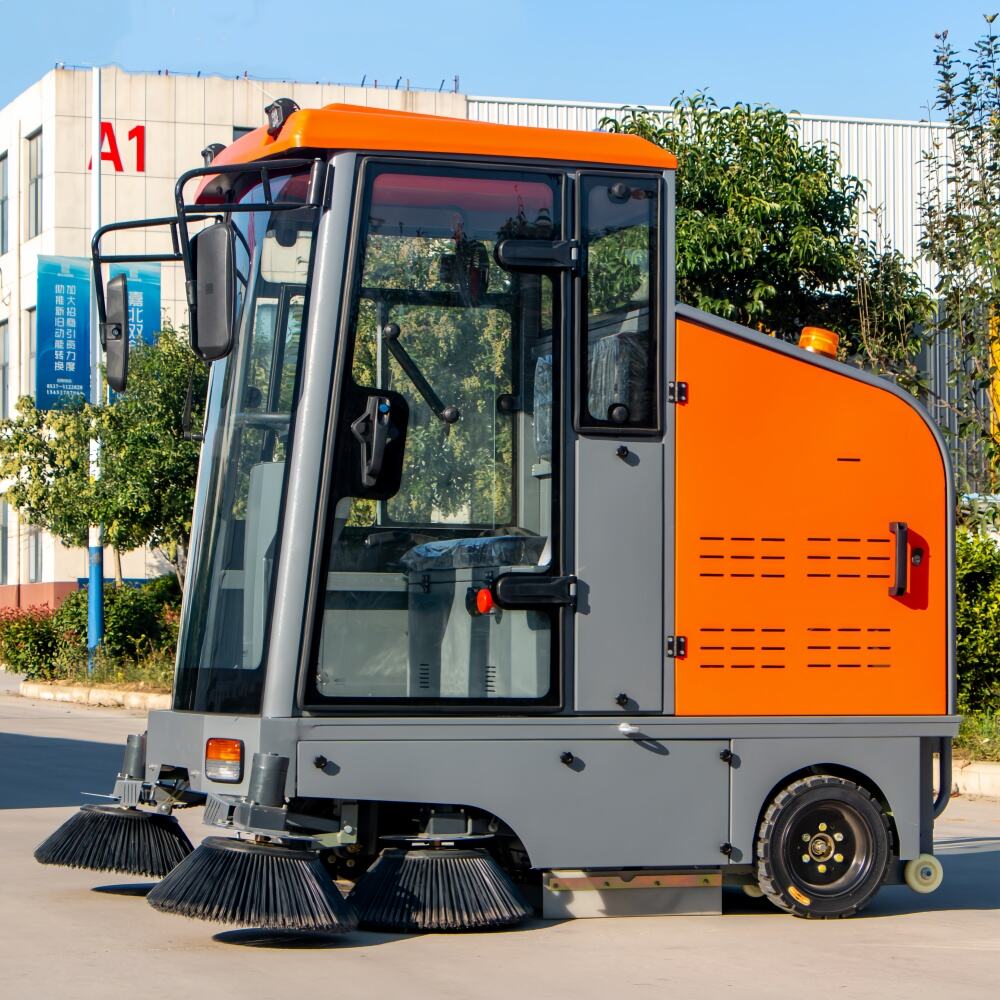
Why Road Sweepers Are Essential for Construction Site Debris Management
The debris and dust challenge: Gravel, millings, and fugitive particles on active sites
Construction sites are constantly making dangerous messes gravel all over the place, those sharp bits from asphalt milling, plus tons of dust floating around. If nobody does anything about it, workers end up slipping on stuff they shouldn't be walking on or breathing in harmful particles. Road sweepers designed for industrial use handle this problem pretty well actually, clearing away more than 95 percent of dirt and debris just one time through. According to OSHA data from 2022, construction areas without proper cleanup equipment report nearly 27% more accidents at work. And when people slip and fall? The Ponemon Institute found out last year that such incidents typically cost companies around $740k in legal settlements alone. Getting those sweepers running early makes sense because nobody wants to deal with avoidable lawsuits while also trying to keep walkways free from loose rocks and dust that gets everywhere.
Mechanical advantage: How road sweeper performance surpasses manual and vacuum-only methods
Compared to manual brooming or suction-only vacuums, modern road sweeper trucks deliver unmatched efficiency:
| Method | Debris Removal Rate | Operational Cost (per 1,000 sq ft) | Limitations |
|---|---|---|---|
| Manual Labor | 15 min | $28.50 | Ineffective for fine dust |
| Vacuum Systems | 8 min | $19.80 | Clogs with wet materials |
| Road Sweeper | 3 min | $12.40 | Handles all debris types |
These machines come with two spinning brushes and big storage bins that can grab all sorts of stuff at once - from thick chunks of milling waste to wet muddy blobs and even tiny particles that would normally stick around. No way human teams could handle this mix of materials efficiently. Just one of these sweepers does the job of six or seven people, finishes work about five times quicker than traditional methods, and cuts down on labor expenses roughly 60 something percent according to some research published last year in Construction Efficiency Journal. The real benefit comes when projects hit those tight deadlines where constant buildup of debris would normally hold everything back. Instead of waiting days for cleanup crews, sites stay clear throughout construction without wasting precious time.
Road Sweeper Integration for Time Efficiency and Workflow Optimization
Daily mid-phase cleanup: Reducing rework delays and accelerating site turnover
Daily sweeper checks during construction work really cut down on the mess that ends up causing expensive fixes later on. According to some recent field data from 2024, construction sites that sweep around noon see their machines sitting idle 18% less often because they don't waste time dealing with moved gravel. Smart routing systems powered by artificial intelligence take things even further. These systems figure out the best paths for sweepers to take, cutting back on unnecessary trips across the site. We're talking about saving around 40 gallons of fuel every day, which definitely speeds up projects. Keeping those main roads clear makes all the difference for getting materials where they need to go and keeping workers moving without constant interruptions.
Logistics alignment: Scheduling road sweeper use with safety huddles and shift transitions
When construction sites coordinate their sweeper schedules with regular daily routines, they get better value from their equipment and keep workers safer at the same time. Smart contractors plan around morning and afternoon shifts plus safety meetings so roads get cleaned right when most people are moving around. This approach means no extra waiting periods just for cleaning, since it fits into normal breaks between tasks. Many companies now use predictive maintenance tech that keeps machines running longer. Some reports claim these systems cut down on unexpected breakdowns by about 150 hours each year for every sweeper. What we see in practice is something pretty remarkable: instead of being separate pieces of machinery sitting around, road sweepers become part of the overall work rhythm on construction sites from start to finish.
Enhancing On-Site Safety Through Proactive Dust and Debris Control
Slip-trip-fall prevention: Quantifying risk reduction from loose aggregate removal
Construction sites become real danger zones when loose gravel, millings, and dust start floating around everywhere. These materials cause slips, trips, and falls which happen pretty often actually - about 30% of all non fatal injuries in the industry according to OSHA data. The good news? Road sweepers can tackle this problem head on by getting rid of those unstable bits before anyone loses their footing. When companies deploy these machines right as workers are changing shifts, it keeps walkways clear and makes a big difference. Studies from construction safety audits show incident rates drop by around 40% with regular sweeping. Plus, keeping things clean stops debris from getting kicked up by passing vehicles or blown away by wind. This helps meet OSHA standards for safe working surfaces under regulation 1910.22 while saving money and headaches from accidents nobody wants to deal with in the first place.
Ensuring Regulatory Compliance and Smooth Project Handover
Meeting OSHA and EPA requirements: Fugitive dust control and final-site readiness
The construction industry deals with constant scrutiny from agencies like OSHA and the EPA these days. Road sweepers deployed on a daily basis help keep dust levels down at job sites, which matters because OSHA updated their silica exposure rules in 2023 and the EPA has stricter particulate standards from 2022. Contractors who manage dust properly see around a two-thirds drop in potential violations according to recent OSHA enforcement reports. Keeping access roads clean isn't just good practice either it prevents those frustrating citations about debris when inspectors come through at the end of projects. The extra time saved means faster project completions since there are fewer last minute fixes needed before clients give their approval. Regular sweeping keeps stormwater drains clear too, something that helps meet those Clean Water Act requirements about runoff. When companies make daily sweeper operations part of their routine, they find themselves with much simpler paperwork for safety checks and environmental permits down the line.
FAQ
Why are road sweepers necessary for construction sites?
Road sweepers are essential for maintaining safety by clearing debris, reducing slip-trip-fall accidents, and ensuring compliance with safety standards.
How do road sweepers outperform manual cleaning methods?
Road sweepers are more efficient, removing more than 95% of debris in one pass, achieving quicker cleanup times, and significantly cutting labor costs.
How do road sweepers help in safety and workflow optimization?
By reducing delays, optimizing daily cleanup, aligning with work schedules, and proactively preventing debris-related accidents.
Do road sweepers help in regulatory compliance?
Yes, they help meet OSHA and EPA dust control requirements and ensure site readiness.