

 EN
EN
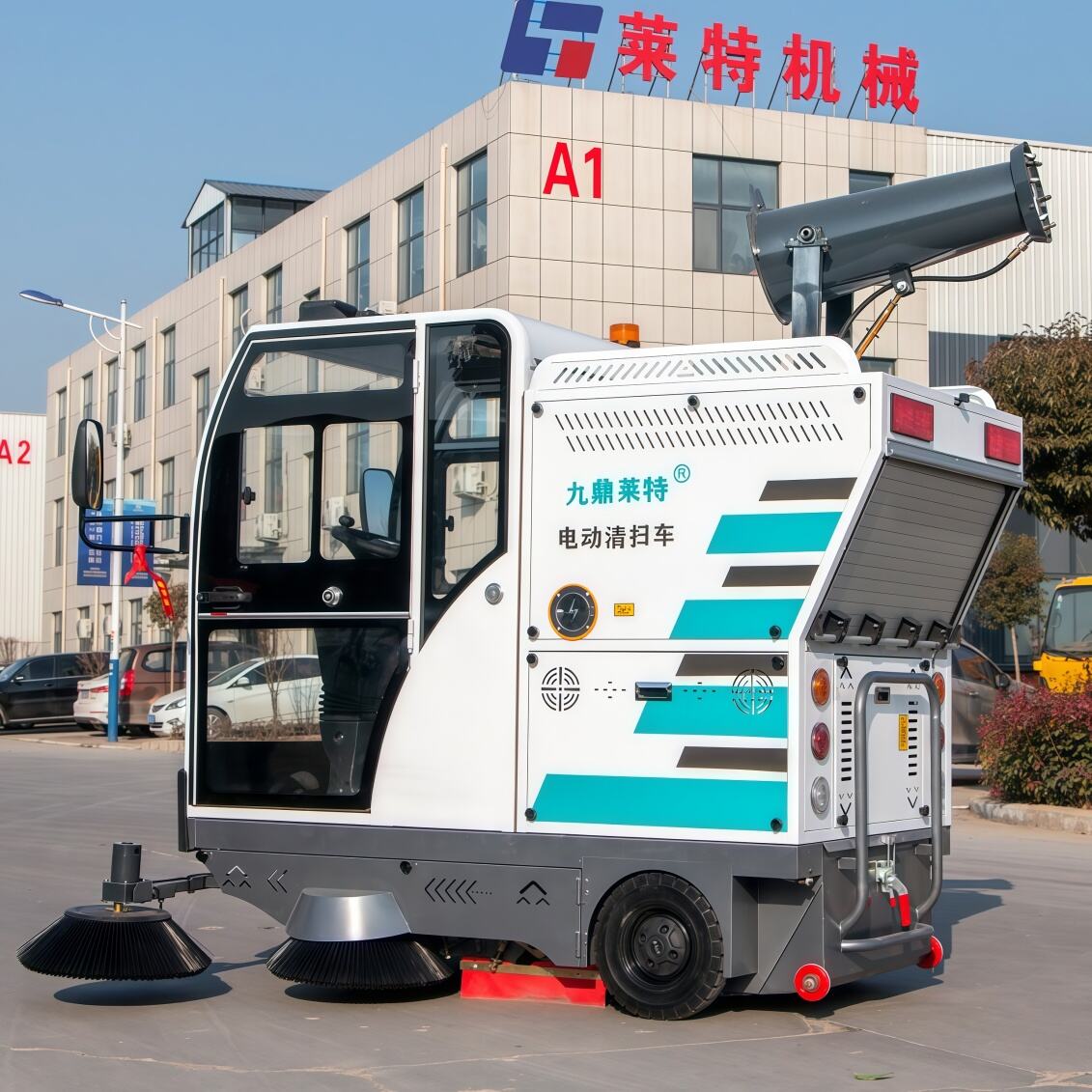
Defining Clear Scope and Performance Standards for Road Sweeper Services
Establishing Measurable Sweep Frequency, Coverage Zones, and Road Class Prioritization
Effective road sweeper service contracts begin with quantifiable operational parameters. Municipal authorities must establish sweep frequencies based on traffic volume—daily for high-use arterial roads versus biweekly for residential lanes. Define coverage zones using GIS mapping to eliminate service gaps, and prioritize road classes:
| Road Class | Sweep Frequency | Debris Risk Level | Performance Focus |
|---|---|---|---|
| Arterial | Daily | High (truck routes) | Safety compliance |
| Collector | 3x/week | Medium (bus corridors) | Drainage protection |
| Local | Biweekly | Low (neighborhoods) | Aesthetic standards |
GPS-verified route data ensures adherence to these standards, while adaptive scheduling accounts for seasonal debris spikes like autumn leaf fall or post-storm cleanup.
Tying Deliverables to Verifiable Outcomes: PM10 Reduction, Debris Capture Rate, and Visual Cleanliness Benchmarks
Contracts shouldn't just cover mechanical sweeping but also need to include requirements for actual environmental improvements and better health conditions. Cities should insist on tracking PM10 levels with regular air quality checks every quarter, aiming for reductions between 15 to 25 percent around sensitive areas like schools and hospitals where children and patients are most vulnerable. When it comes to picking up debris, contractors need to prove they're capturing over 92% of what's out there. How? By weighing trash collected from storm drains, taking pictures of pavements before and after cleaning with timestamps, and having independent auditors check those sediment traps too. For visual standards, cities can establish cleanliness scores based on photos taken according to standard guidelines, which gives citizens something concrete to see and react to. The numbers back this up too. Studies show that when PM10 levels drop consistently, communities save about $740,000 each year in healthcare costs for every 100,000 people living there, according to research published by the Ponemon Institute last year.
Critical Contract Clauses That Protect Municipalities in Road Sweeper Agreements
Enforceable Liability Limits: When Weather, Equipment Failure, or Operator Error Are (and Aren’t) Valid Excuses
Cities need solid liability terms in their road sweeper contracts to prevent expensive arguments down the line. When setting up force majeure clauses, it's important to clearly list what counts as an "act of God" event such as heavy snowfall or flooding that can legitimately pause work requirements but leave out situations where problems could have been avoided. Take equipment failures caused by bad maintenance practices shown in service records or incidents resulting from workers who weren't properly trained according to documentation these situations definitely warrant penalties. The contract needs to specify set fines for delays not covered by exceptions usually around 500 to 2000 dollars per day while also making sure contractors keep spare road sweeping vehicles on hand. Important numbers matter too when determining weather related excuses if rain falls faster than two inches per hour or wind speeds hit forty miles per hour then the weather clause kicks in otherwise the contractor remains responsible for meeting all performance standards regardless of conditions.
Payment Verification Mechanisms: GPS Route Logs, Time-Stamped Photo Evidence, and Third-Party Audit Rights
When payments are linked to actual service completion, cities can stop losing money through gaps in service delivery. The GPS tracking system needs to show full coverage of all assigned areas, and these routes should match up with what's on the city's mapping database. For proof of work done, pictures taken at random spots along the route need timestamps both before and after cleaning operations. Smart software then analyzes these images to measure how much trash was actually picked up compared to what was promised in contracts. Independent inspectors should be able to check maintenance logs and worker qualifications every three months or so. Most importantly, local governments typically hold back around 15 to 20 percent of each invoice until these checks are completed. The system also works automatically when something goes wrong. If GPS tracks miss certain streets or photos show dirty gutters where they shouldn't be, the software marks those parts as unpaid services right away, stopping incorrect payments from going through.
Evaluating Contractor Competence Beyond the Road Sweeper Fleet
Fleet Modernity, Operator Certification, EPA Compliance History, and Preventive Maintenance Protocols
Understanding True Cost of Ownership in Road Sweeper Service Contracts
The true cost of owning a road sweeper goes way past what shows up on the invoice. Local governments need to think about all those day-to-day expenses too - things like how much fuel gets burned through, regular maintenance needs, plus paying staff to operate them. Maintenance bills alone can really add up. We've seen numbers between around $5k and sometimes as high as $20k a year for each machine, depending on how old they are and how hard they're worked. Fuel costs and wages for operators often take up about 30% of what it costs to keep running these machines after purchase. There are also plenty of other hidden costs nobody talks about first. Insurance rates, finding proper storage space, watching out for how much value drops over time compared to what we expect at resale, and getting equipment upgraded when new environmental rules come along. When looking at total costs, comparing buying versus leasing makes sense. Leasing might save cash upfront but means giving up any ownership stake down the road. Cities planning their budgets should run different scenarios across 5 to 7 years, keeping an eye on busy seasons that wear machines faster than normal. This helps avoid surprises later and keeps service contracts priced right.
FAQ
What are the typical sweep frequencies for different road classifications?
Arterial roads are swept daily, collector roads three times a week, and local roads biweekly.
How can cities ensure that road sweeping services meet performance standards?
Cities can use GPS-verified route data, require photo evidence with timestamps, and conduct third-party audits to verify service completion and cleanliness benchmarks.
What key contract clauses should municipalities include in road sweeper agreements?
Municipalities should include enforceable liability limits and payment verification mechanisms, such as GPS route logs and independent audits, to ensure accountability and service quality.
What factors contribute to the true cost of ownership for road sweepers?
Beyond the purchase invoice, true cost factors include fuel consumption, maintenance and repair costs, operator wages, insurance, and potential depreciation and storage expenses.