

 EN
EN
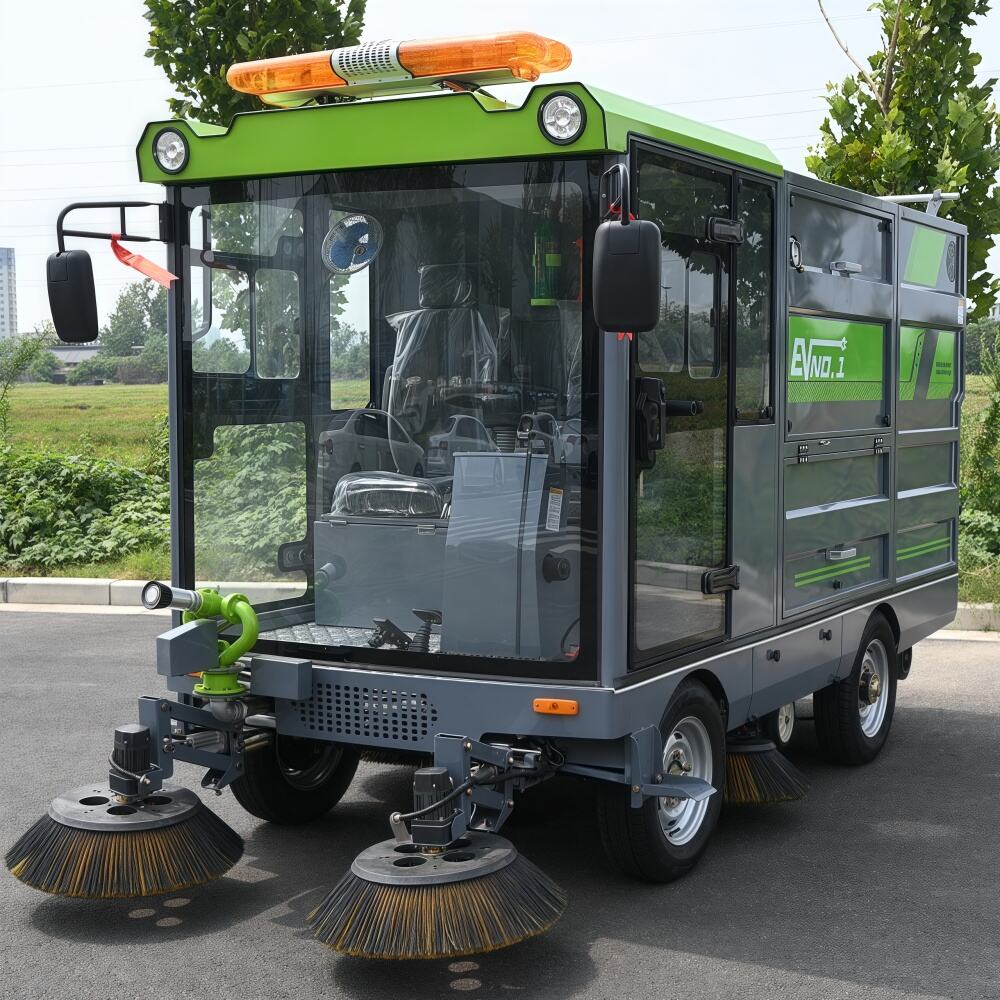
Understanding Total Cost of Ownership for Road Sweepers
When looking at what a road sweeper actually costs, most people stop at the sticker price but there's much more to consider. The total cost of ownership calculation needs to include not just what was paid upfront, but also day-to-day running costs, compliance requirements from local authorities, and what happens when the machine is eventually sold or retired. Many fleet managers have discovered these extra expenses can really eat into their budgets over time. For instance, fuel consumption rates, maintenance schedules, and parts replacements all add up year after year. Understanding this complete picture helps organizations avoid unpleasant surprises in their financial planning and makes smarter procurement choices down the line.
Capital Expenditure vs. Lifecycle Depreciation: Diesel, Electric, and Hybrid Road Sweeper Models
When it comes to street sweepers, diesel options tend to be cheaper at first glance, usually costing between $100k and $250k. But over time, they end up costing much more because of all the fuel needed plus regular maintenance headaches. Electric sweepers cost 20 to 40 percent more when purchased new, but save operators around 30 to 50 percent on running costs. The math works out better mainly because electricity is way cheaper than diesel fuel (about $0.08 to $0.15 per kilowatt hour compared to roughly $3.50 to $4 per gallon equivalent for diesel). Plus, electric vehicles have simpler mechanical systems. Hybrid models sit somewhere in between, with reasonable initial investment and about 15 to 30 percent savings on day-to-day operations. Looking at how these machines hold their value makes a big difference too. Most diesel sweepers drop about half their worth within just five years of service. Electric versions keep about 35 to 45 percent of their original price tag after the same period thanks to parts that last longer and increasing interest in green technology. Maintenance bills for traditional diesel sweepers run anywhere from $5k to $20k each year. Switching to electric significantly cuts this expense down by nearly 40 percent since there's no need for oil changes or dealing with complicated exhaust systems anymore.
Regulatory Compliance Costs and Incentive Offset Potential (EPA, EU Stage V, Local Zero-Emission Mandates)
The latest emissions regulations like EPA Tier 4 Final and EU Stage V mean operators need to spend anywhere between fifteen and thirty thousand dollars on upgrading their diesel sweeper aftertreatment systems, not to mention facing hefty fines if they don't comply. On the flip side, most American states and European cities have started offering financial help through tax breaks, grants, or subsidies that can cover about fifteen to thirty percent of what it costs to buy a zero emission sweeper. These kinds of incentives actually bring down the upfront cost and protect fleet owners from getting caught out as cities continue to tighten their air quality rules. Take California for example where companies operating in CARB regulated areas could be hit with annual particulate matter violations costing them ten thousand to fifty thousand dollars each year. Going emission free eliminates this risk completely since these cleaner models reduce PM10 and PM2.5 emissions by nearly all of it. Getting ahead of these changes makes sense both financially and operationally, especially when combined with good quality filters that keep air pollution below local limits.
Operating Cost Savings from Modern Road Sweeper Technology
Fuel and Energy Efficiency: Real-World kWh vs. Diesel Liter Equivalency in Road Sweeper Operations
In city environments where stop-and-go traffic is the norm and slow maneuvers are constant, electric road sweepers beat their diesel counterparts hands down. These electric machines convert around 90% of their electrical power into actual movement, whereas traditional diesel engines manage only about 30 to 40%. The difference in efficiency becomes even clearer when looking at fuel consumption numbers. Diesel sweepers typically burn through 10 to 15 liters every hour while doing the job, but electric versions get similar results using just 30 to 40 kilowatt hours worth of electricity, which works out to about 3 to 4 liters of diesel equivalent. Another advantage comes from regenerative braking technology that actually recovers 15 to 20% of the energy lost during slowing down. Cities switching to electric models are seeing energy bills drop by roughly half to two thirds. Each sweeper saves around $18,000 per year on average according to municipal reports. And this financial benefit will likely grow bigger as diesel continues to fluctuate in price while our power grids become cleaner over time.
Reduced Maintenance Burden: Electrified Components and Simplified Drivetrains in Road Sweepers
Modern electric sweepers eliminate ~80% of the moving parts found in diesel counterparts, reducing both failure points and service complexity. Key advantages include:
- Component simplification: No engine oil changes, air/fuel filters, or exhaust aftertreatment systems requiring quarterly servicing
- Brush motor optimization: Direct-drive electric brushes eliminate gearboxes—a leading cause of diesel sweeper downtime
- Predictive diagnostics: Integrated sensors monitor wear on critical components, enabling scheduled replacements before failures occur
As a result, maintenance costs run 30–40% lower than diesel models, yielding ~$8,500 in annual savings per unit. Service intervals extend by 200–300 operational hours, increasing fleet availability—especially valuable in harsh environments where dust and debris accelerate mechanical wear in traditional sweepers.
Quantifying Broader Benefits Beyond Direct Cost Savings
Air Quality and Public Health Gains: PM10/PM2.5 Reduction Metrics from High-Efficiency Road Sweepers
Modern road sweepers with top notch filtration systems can grab around 99% of those tiny particles floating in the air (we're talking PM10 and PM2.5 here). These little guys are actually big troublemakers when it comes to lungs and hearts. A recent 2023 study from the Journal of Urban Health showed that cities investing in these machines saw between 15 to 30 percent drop in hospital visits related to particle pollution. For every 100 thousand people living there, this adds up to roughly seven hundred forty thousand dollars saved on medical costs each year. And let's not forget the bigger picture stuff too. Regular cleaning with these powerful sweepers keeps local governments from getting hit with fines for bad air quality while also helping disadvantaged neighborhoods breathe easier overall.
Smart City ROI: Telematics, Route Optimization, and Predictive Maintenance in Connected Road Sweepers
Street sweepers equipped with telematics tech boost how well operations run because their routes are optimized by artificial intelligence. This means less time sitting idle and no double sweeping the same areas, which cuts down on fuel consumption somewhere around 18 to 22 percent. The machines themselves have sensors that send live information to maintenance systems, so breakdowns happen much less often about 40% fewer unexpected stoppages actually and the equipment lasts longer too. Managers working with fleets see about a quarter increase in how much they get out of each vehicle when jobs are assigned dynamically across the fleet. Plus, all this automated reporting work saves roughly 30% on paperwork and admin stuff. What's really interesting though is how these sweeping machines become rolling data collectors. They help cities plan better infrastructure, check road conditions as they go along, and even coordinate responses during snowy weather events.
TCO Considerations by End-Use Sector: Municipalities, Contractors, and Industrial Sites
The total cost of ownership for road sweepers looks completely different depending on who owns them. City governments care most about staying within regulations and keeping their communities healthy. When cities have zero emission requirements, they can actually spend more money upfront because it helps them avoid expensive fines down the road while also saving money on healthcare costs from cleaner air. Contractors are thinking about profits though. They look at things like how much fuel or electricity their machines consume, how long they last between repairs, and whether they can easily move around different job sites. Take electric sweepers for instance. These cut down on diesel costs by about two thirds in city environments, but nobody wants to deal with finding charging stations when work is happening. Industrial locations need equipment that survives harsh conditions too. Think about mines or ports where dust and salt eat away at normal machinery. Parts last longer there, so even though these tough machines cost more initially, companies end up spending less over time because replacements happen less frequently. Every industry has its own way of calculating what makes financial sense in the long run.
- Municipal: Incentive eligibility (e.g., EPA Clean School Bus Program grants) versus long-term emissions penalties
- Contractor: Lifetime energy savings versus battery replacement cycles and depot charging infrastructure
- Industrial: Heavy-duty reliability and serviceability versus specialized technician training and spare parts availability
FAQ
What factors are included in the total cost of ownership for road sweepers?
The total cost of ownership includes the initial purchase price, day-to-day running costs, compliance requirements, fuel consumption, maintenance schedules, parts replacements, and potential resale value.
How does the cost of electric road sweepers compare to diesel models?
Electric sweepers cost 20-40% more upfront compared to diesel models but offer 30-50% savings on running costs due to cheaper electricity and simpler mechanical systems.
What are the benefits of electric sweepers in terms of maintenance?
Electric sweepers reduce maintenance costs by around 30–40%, eliminate 80% of moving parts, and extend service intervals by 200–300 hours compared to diesel models.
How do modern sweepers impact air quality?
Modern sweepers with advanced filtration systems can capture around 99% of PM10 and PM2.5 particles, significantly improving air quality and reducing health-related costs.
What are common regulations for road sweeper compliance?
Operators need to comply with emissions regulations such as EPA Tier 4 Final and EU Stage V, which may require significant investments in aftertreatment systems to avoid fines.
Table of Contents
- Understanding Total Cost of Ownership for Road Sweepers
- Operating Cost Savings from Modern Road Sweeper Technology
- Quantifying Broader Benefits Beyond Direct Cost Savings
- TCO Considerations by End-Use Sector: Municipalities, Contractors, and Industrial Sites
-
FAQ
- What factors are included in the total cost of ownership for road sweepers?
- How does the cost of electric road sweepers compare to diesel models?
- What are the benefits of electric sweepers in terms of maintenance?
- How do modern sweepers impact air quality?
- What are common regulations for road sweeper compliance?