

 EN
EN
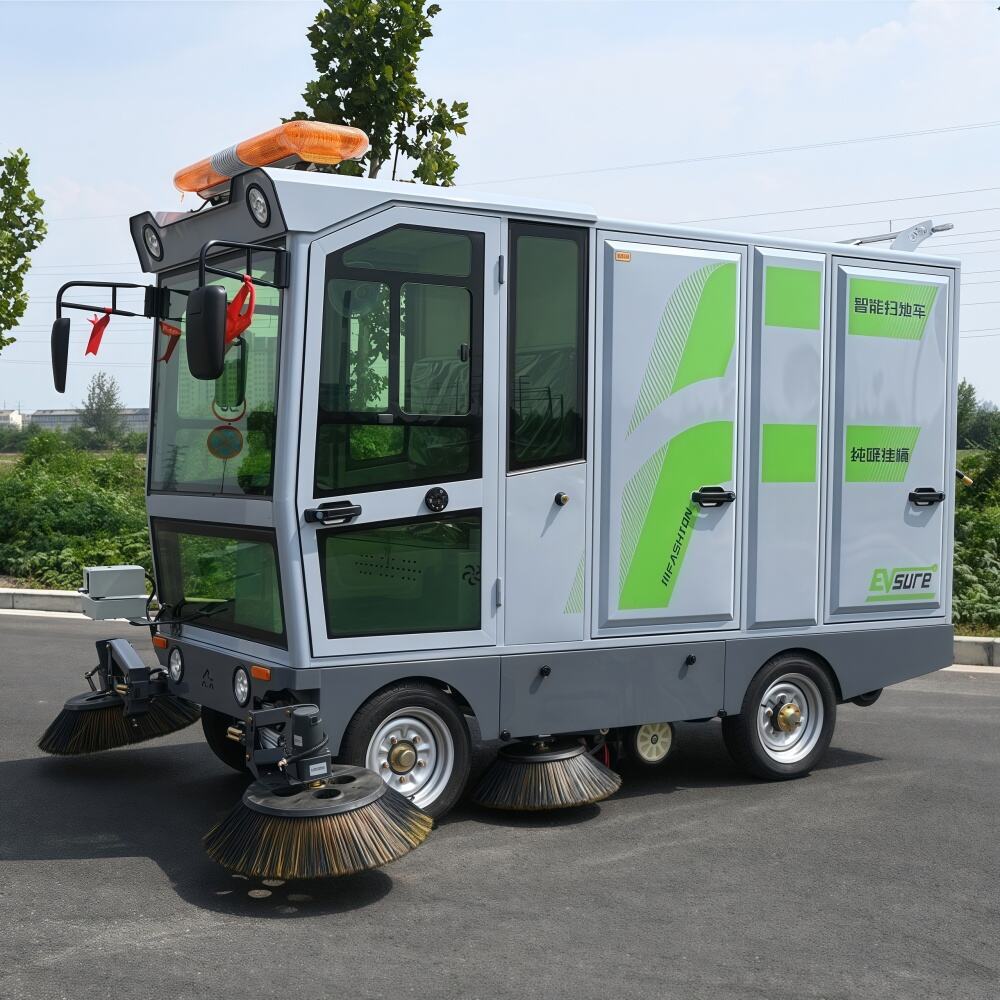
Winter Road Sweeping: Managing Ice, Salt, and Compacted Debris
Addressing De-icing Residue and Salt Corrosion on Pavement and Equipment
The winter months bring all sorts of problems for roads and vehicles thanks to those corrosive de-icing chemicals we spread everywhere. Road salt doesn't just sit there on the pavement - it actually eats away at the asphalt binder material over time. And metals? They start rusting much quicker too. Some research shows that without proper treatment, corrosion rates can jump as high as 40%. That's why it's so important to rinse out those sweeper machines thoroughly after each operation. Salt crystals build up in the moving parts and eventually stop them from working properly, not to mention shortening how long these machines last. Cities need to get their crews out right after storms hit to clean up those abrasive materials before they get packed down into the road surface during those freeze-thaw cycles. This packing leads to tiny cracks forming in the pavement, which then turn into full blown potholes down the road. The Ponemon Institute did some calculations back in 2023 and found that this kind of microcracking costs around $740,000 every year for just 100 lane miles worth of roadways. When possible, vacuum sweepers work better than traditional brush models. The sealed containers keep about 30% less salt floating around in the air, which means less environmental damage and fewer corrosion issues elsewhere.
Cold-Weather Adjustments for Road Sweeper Operation and Operator Safety
When temperatures drop below freezing, road operations need specific adjustments to keep things running smoothly and ensure worker safety. For hydraulic systems, we typically switch to lower viscosity fluids that can handle temps down past -20 degrees Celsius. Operators also rely on enclosed cabs with heating elements for their controls and clear windows free from frost buildup, especially important when they're stuck out there for long hours. The best time for snow clearing tends to be just before dawn when roads are quiet and the frozen stuff hasn't had time to compact yet. Safety measures have come a long way too. Running boards now feature special non-slip surfaces, handrails get treated with those ice melting chemicals, and some vehicles even have temperature sensors that shut down automatically if it gets too cold (-30C mark). Inside the cab, air filters cut down on dust particles by about two thirds according to tests. GPS tech has really changed how we plan routes in winter too. Dispatchers can spot dangerous slopes ahead of time and reroute crews based on local weather updates. Before anyone hits the road in winter though, they need proper training covering everything from recognizing early signs of hypothermia to knowing where all the emergency gear is stored.
Summer Road Sweeping: Controlling Dust, Pollen, and Storm-Related Debris
Mitigating Heat-Induced Asphalt Dust and Allergen Accumulation
The intense summer heat really speeds up how asphalt breaks down, which sends out tiny dust particles into the air. These particles make breathing harder for people already dealing with allergies or asthma problems. Things get worse when we throw in all the pollen floating around this time of year. The combination creates real trouble for folks walking outside and those living near busy roads. Cities that sweep their streets regularly see about half fewer dust particles hanging in the air compared to places that don't clean as much. Good approaches involve spraying water while cleaning to keep dust from flying around, focusing on main roads and residential areas first thing each day, and sending out smaller machines to tackle tight alleyways and sidewalks where pollen tends to collect. Getting started early in the morning works best since pollen levels tend to be lower then, which means cleaner air overall and better protection for everyone's health.
Adapting Road Sweeper Schedules for Peak Traffic and Post-Storm Recovery
Planning summer operations needs some smart timing if we want to get things done efficiently while keeping everyone safe. Most operators know better than to schedule work during those morning rush hours from 7 to 9 AM or the afternoon commute between 4 and 6 PM. These are just plain busy times that cause all sorts of headaches for everyone involved. After storms pass, getting crews out there within about four hours makes a real difference in clearing those drains full of leaves, sticks, and mud. We've seen cases where waiting too long leads to problems because organic stuff blocks drainage systems. Left alone, this can actually raise standing water risks by around three quarters compared to prompt action. For areas packed with tourists or lots of foot traffic, smaller sweeper machines work wonders during the day. They handle the job without needing big trucks that would block streets or mess up business operations. This kind of quick response helps protect our infrastructure against damage and keeps people moving smoothly through their summer routines.
Road Sweeper Equipment Selection and Seasonal Maintenance Strategy
Matching Road Sweeper Type (Mini vs. Heavy-Duty) to Seasonal Demands
Choosing the right equipment really depends on what kind of debris shows up during different seasons. During winter months, cities need those tough road sweepers built to last. These machines should have parts that won't rust away, strong brushes that can handle whatever gets thrown at them, and vacuum systems completely sealed against moisture. They're essential for clearing up all that packed snow mixed with salt residue, plus keeping ice from forming on bike paths and around drain covers. Summer brings a whole different set of challenges though. That's when smaller, more nimble sweepers come into play. These compact units work great in busy city centers where they get used often for specific tasks. Their ability to move through tight spaces makes them perfect for tackling everyday dust from roads and pollen floating around, which we know contributes to those tiny particles in the air (PM2.5) that cause so many health issues. Basically, after big storms or when there's just tons of stuff to clean up, bring out the big guns. For regular maintenance and detailed cleaning jobs in areas where space is limited, go with the smaller models instead.
Proactive Maintenance Calendar: Preventing Downtime Across Winter and Summer Cycles
Having regular maintenance checks twice a year, right around when seasons change, stops most problems before they happen with the vehicle fleet. Before winter hits, mechanics check things like protecting hydraulic lines from rust, making sure broom seals are intact, and looking after electrical parts that get hit by those road salt sprays. After summer is over, the focus shifts to really cleaning out filters and getting vacuum systems back in shape since all that dust and dirt builds up over time and makes everything work harder. These key service times matter because waiting too long can lead to bigger issues down the road, which nobody wants to deal with during busy periods.
- October: Inspect heating elements, fluid lines, and seal integrity ahead of freezing temperatures
- April: Replace worn bristles, recalibrate water spray nozzles, and verify dust suppression performance
- Monthly: Test hopper seals, debris sensors, and suction integrity during peak usage periods
Municipal fleet data shows this structured approach prevents 73% of seasonal downtime causes—maximizing asset utilization and reducing long-term lifecycle costs.
FAQ
What are the advantages of using vacuum sweepers over traditional brush models in winter?
Vacuum sweepers can be more effective than traditional brush models during winter. They have sealed containers, which minimize salt in the air by about 30%, reducing environmental damage and corrosion issues.
Why is early morning the best time for road sweeping during summer?
Early morning is ideal for road sweeping in summer because pollen levels are lower, which helps keep the air cleaner and provides better protection for those with allergies.
How does temperature affect road sweeper operation during winter?
In winter, cold temperatures require adjustments like using lower viscosity hydraulic fluids, equipped cabs with heating elements, and safety features to ensure smooth operation and operator safety.
What maintenance steps are recommended in preparation for winter operations?
Before winter, it is essential to inspect heating elements, fluid lines, and seal integrity to protect against freezing temperatures and potential equipment failures.
Table of Contents
- Winter Road Sweeping: Managing Ice, Salt, and Compacted Debris
- Summer Road Sweeping: Controlling Dust, Pollen, and Storm-Related Debris
- Road Sweeper Equipment Selection and Seasonal Maintenance Strategy
-
FAQ
- What are the advantages of using vacuum sweepers over traditional brush models in winter?
- Why is early morning the best time for road sweeping during summer?
- How does temperature affect road sweeper operation during winter?
- What maintenance steps are recommended in preparation for winter operations?