

 EN
EN
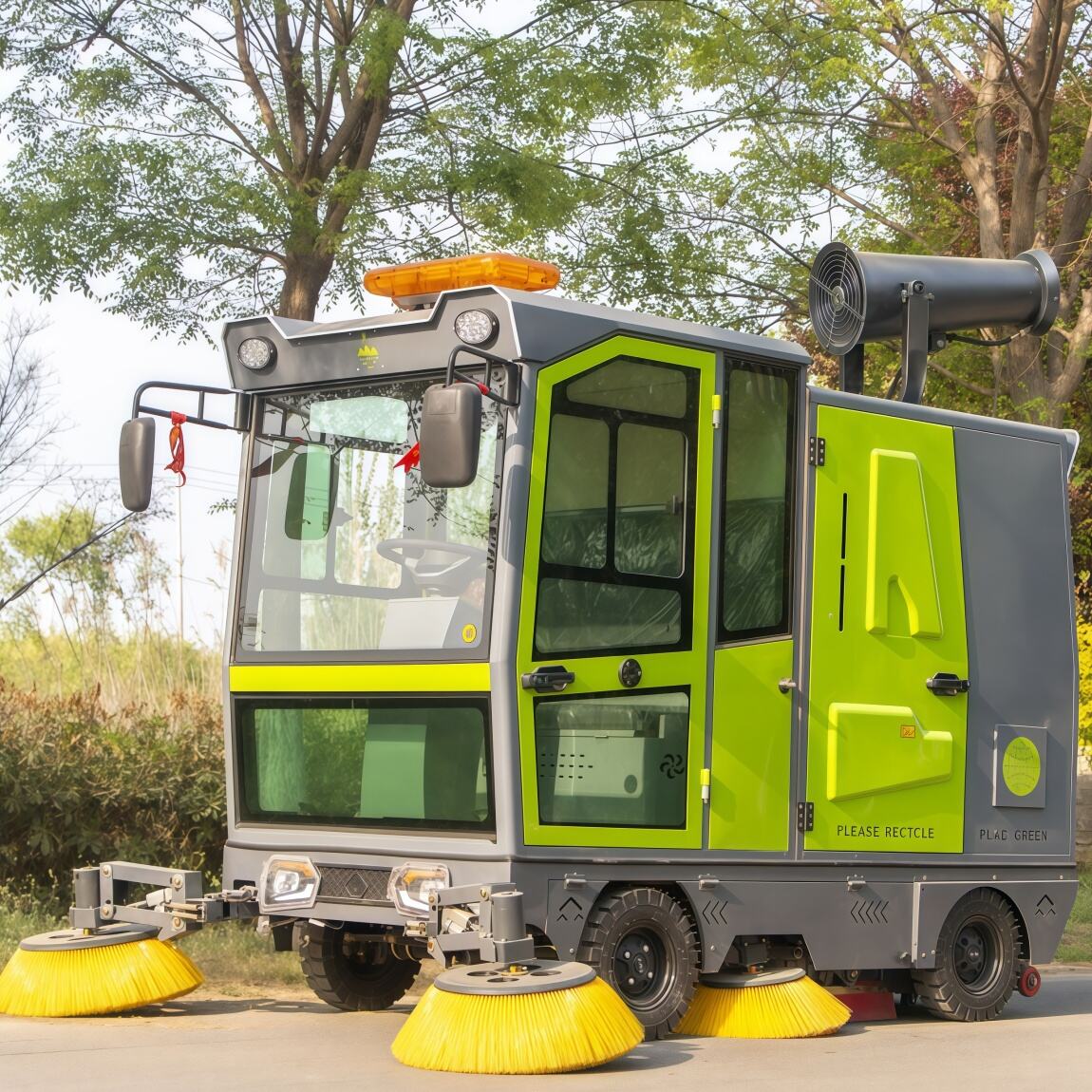
Leveraging GIS and Spatial Analytics for Strategic Road Sweeper Route Planning
Mapping High-Debris Hotspots to Prioritize Critical Road Sweeper Coverage
Municipalities are finding new ways to tackle city mess problems thanks to Geographic Information Systems, or GIS for short. These systems look at all sorts of data points to spot where trash tends to pile up the most. They analyze things like where people walk around town, where buildings stand, construction sites, places where leaves fall seasonally, and busy shopping areas. By putting all this information together on one map, cities get color-coded visuals showing exactly which streets need cleaning crews first. The Municipal Operations Journal reported back in 2023 that just 30% of street corridors actually account for about 80% of all the garbage collected across cities. And here's what makes it even smarter: when connected to live weather updates, these systems can warn officials about potential problems before they happen. Think blocked drains after heavy rain or piles of trash left behind after festivals and events. This early warning system lets maintenance teams move quickly to prevent bigger headaches down the road like flooded streets during storms.
GIS-Driven Route Sequencing for Efficient Debris Consolidation and Fleet Coordination
When areas needing attention are pinpointed, special software arranges the road sweeper routes so they cover more ground with fewer wasted trips between locations. These systems work out the best ways to gather trash from all over town and bring it together at central points using specific sweeping sequences. According to Urban Logistics Review from last year, this approach means crews don't have to come back to the same spots nearly as often—about 45% less actually. Fleet managers benefit too because their mapping tools keep everything running smoothly. Several sweepers can work side by side in neighboring areas without stepping on each other's toes. Their assigned zones change automatically depending on how fast each crew is moving along. All this smart planning saves around 22% on fuel costs and keeps streets clean even when there's extra mess around after storms or holidays. Things get even better when these systems factor in traffic patterns so operators can dodge gridlock and stay on schedule.
Dynamic Road Sweeper Route Adjustment Using Live GPS and Traffic Analytics
Today's street cleaning operations combine GPS tracking systems with traffic data analysis so sweepers can be rerouted on the fly when there are traffic jams or road closures. This means no more wasting time going over roads twice or sitting still in gridlock situations. City workers at dispatch centers can send trucks down different streets almost instantly, which keeps all areas getting cleaned properly. There are also special sensors that detect when trash builds up too much in certain spots, prompting crews to respond quickly to problem areas before things get out of hand. All these improvements have made a real difference in fuel consumption. Field tests from five medium sized American cities show that overall fuel waste has dropped by about 18% since implementing these smart routing technologies.
Seasonal, Event-Based, and Construction-Aware Scheduling for Road Sweeper Operations
Smart scheduling takes into account all those things we can predict happening season after season. Think about leaves falling in the fall, salt residue building up on roads during winter months, traffic jams forming outside stadiums right before games start, plus ongoing construction projects everywhere these days. Cities now have systems that actually boost the number of street sweepers deployed near event locations just before big gatherings happen. And when there's construction going on somewhere, GPS based alerts send garbage trucks and other vehicles along different routes to avoid getting stuck in work zones. This helps keep important areas clean without needing emergency cleanup crews later on, saving cities around 22 percent in unexpected cleaning expenses. Towns that implement these kinds of forecasting tools tend to see about 30% drop in citizen complaints about dirty streets during their busiest times of year.
Balancing Technology and Human Expertise in Road Sweeper Route Management
GIS based route planning definitely makes things more efficient, but we still need people around to handle all those unpredictable city situations. Automated street sweepers work great when everything is predictable, collecting trash accurately most of the time. But they struggle with changing conditions like festival crowds or construction sites where pedestrians wander unpredictably across different surfaces. Take Barcelona for instance - during one 8 hour period, operators had to step in manually 12 times just to keep things running smoothly. That shows how far we are from complete automation. What these workers do matters a lot: adjusting the sweeping pressure depending on whether its old cobblestones or regular pavement, getting around sudden obstacles, checking if the computer generated routes actually make sense on the ground. With a 34% workforce gap according to Ponemon Institute last year, cities that succeed are investing in training programs that teach staff not only how to read data but also fix equipment problems. The goal isn't to replace human judgment with machines, but to create better tools that support experienced workers making decisions based on what they see every day.
FAQ
What is GIS?
Geographic Information Systems (GIS) are systems used to capture, store, analyze, and manage geographical data. They help in mapping and analyzing geographical spaces for better decision-making.
How does GIS help in route planning for street sweepers?
GIS helps identify high-debris areas by analyzing various data points like foot traffic, construction sites, and weather patterns. It then optimizes cleaning routes to cover more ground efficiently, saving time and reducing fuel costs.
Can GIS technology work without human intervention?
While GIS technology offers automated features for route planning and optimization, human expertise is essential in unpredictable situations like handling festival crowds or sudden construction sites.
What cost savings can be achieved through GIS-based route planning?
By optimizing street sweeper routes and schedules, cities can see savings of up to 22% on fuel costs and a reduction in unexpected cleaning expenses due to the prevention of larger issues.
Table of Contents
-
Leveraging GIS and Spatial Analytics for Strategic Road Sweeper Route Planning
- Mapping High-Debris Hotspots to Prioritize Critical Road Sweeper Coverage
- GIS-Driven Route Sequencing for Efficient Debris Consolidation and Fleet Coordination
- Dynamic Road Sweeper Route Adjustment Using Live GPS and Traffic Analytics
- Seasonal, Event-Based, and Construction-Aware Scheduling for Road Sweeper Operations
- Balancing Technology and Human Expertise in Road Sweeper Route Management
- FAQ