

 EN
EN
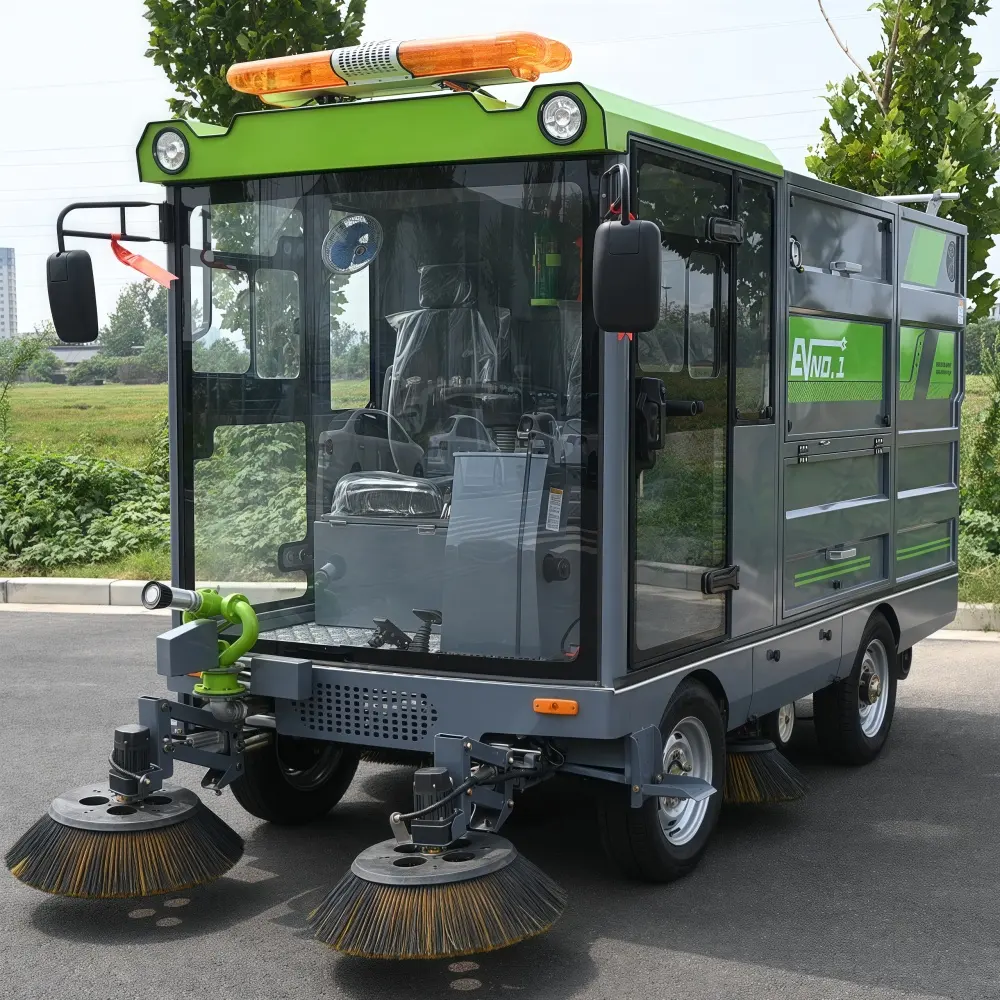
Essential Operator Training and Certification for Road Sweeper Safety
Mandatory urban-specific certification and competency validation
Running road sweepers in city areas takes more than just knowing how to operate machinery. Sweep truck drivers need special training to handle tricky situations like busy streets full of people, areas with lots of foot traffic, and places where visibility is poor. The certification process checks if they can spot potential dangers, stop quickly when needed, and manage those hard-to-see spots around the vehicle. These are really important skills because studies show accidents happen about 27% more often in cities than out in the country according to the Urban Fleet Safety Report from last year. Driver training actually involves practicing real life situations too, such as dealing with kids darting across sidewalks near schools, working around cars parked improperly on the street, and cleaning up messes without blocking bike lanes. Most companies also require their staff to go through refresher courses every year so they stay up to date with all the changes happening in our growing cities and shifting traffic patterns over time.
Integrating safety-first training into operator onboarding
Top equipment manufacturers start incorporating risk management right when new staff come onboard. Their training programs typically feature detailed sessions covering things like checking machines before starting work, maintaining balance on slopes, and what happens if hydraulic systems fail. Many companies now test trainees how they handle stressful situations when something goes wrong unexpectedly. These psychological evaluations have cut down accidents by around 34%, according to research published last year in the Industrial Equipment Safety Journal. Some forward-thinking organizations mix virtual reality scenarios of dangerous road crossings with hands-on mentoring in actual field conditions. This helps workers get really good at avoiding pedestrians and cyclists while operating machinery, plan routes that don't back up traffic too much, and talk effectively with people directing traffic. Throughout their careers, employers keep track of employee skills using data collected from vehicle sensors, making sure everyone stays within safe operating limits over time.
Pre-Operation and Real-Time Road Sweeper Safety Protocols
Critical pre-operation checks: visibility, lighting, brush integrity, and hydraulic systems
According to the Urban Fleet Safety Report from 2024, doing proper checks before operations can stop around 63% of mechanical problems that happen with city cleaning machines. Before starting those early morning or late night shifts, operators need to make sure those 360 degree cameras are working right and lights are on full blast since things get really hard to see once visibility goes under 30 meters. When brushes start wearing down past about 15%, they just don't pick up trash as well anymore and actually create more flying debris hazards. Checking hydraulic pressures is another important step because leaks lead to slippery messes that account for roughly 22% of slips happening near work areas. Don't forget about those hopper seals either and test those emergency stops too. Everything needs to go into those digital logbooks so there's a paper trail if something goes wrong later on.
Real-time response to urban hazards: parked vehicles, narrow lanes, and pedestrian unpredictability
Studies show that collision avoidance systems can cut down on side impact crashes by around 41% in streets narrower than 4.5 meters. When operators come across situations where cars are parked too close (within about 1.5 meters), people with headphones on who might not notice regular warning sounds since roughly 27% of them actually miss those alerts, or even delivery riders zipping through active workspaces, they need to change their sweeping paths on the fly thanks to proximity sensors. The system will sound alarms and slow down automatically to under 8 kilometers per hour whenever it picks up any motion inside a three meter safety area around the machine. This helps stop accidents from happening when someone suddenly steps out or kids run past hiding spots without warning.
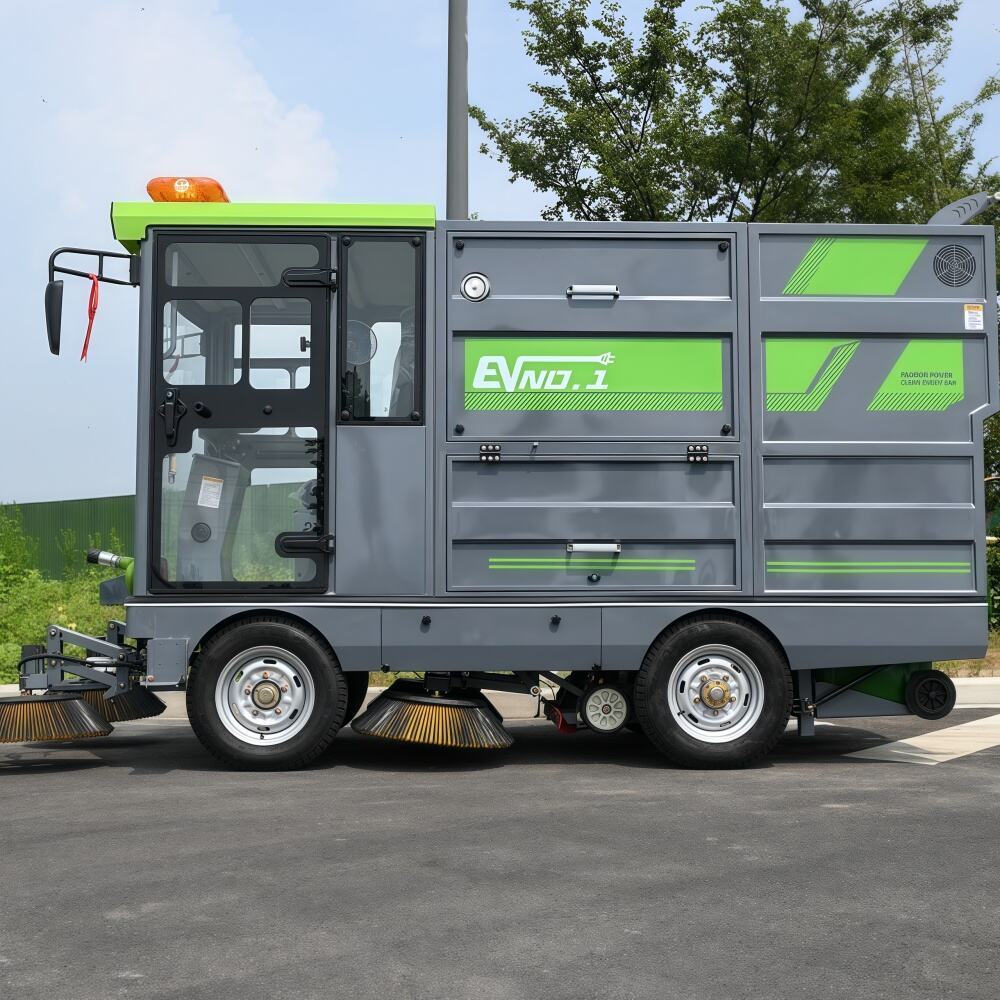
Protecting Pedestrians and Other Vehicles Around Road Sweepers
Establishing safe buffer zones, deploying high-visibility signage, and using acoustic alerts
Keeping people safe from sweepers and nearby traffic needs several layers of protection. Sweep operators should set up clear buffer areas around their machines so no one gets too close where it could be dangerous. We put out bright signs that reflect light to show where the sweeper will go, which matters a lot at night or in poor visibility. The machines also make noise warnings for folks who might not be paying attention. Some newer models even have sensors that beep automatically if something comes too close to the machine. Getting all this working properly depends on operators staying alert throughout their shifts and making sure the tech stays calibrated for whatever kind of traffic they're dealing with day to day.
Optimizing Road Sweeper Speed and Maneuvering in Urban Traffic
Dynamic speed calibration based on traffic density, surface conditions, and intersection proximity
Urban road sweeper operators must dynamically adjust speeds to balance safety and cleaning efficiency. Traffic congestion reduces maneuverability in tight spaces, requiring speed reductions of 30-40% during peak hours. Operators calibrate for three critical factors:
- Traffic density: Higher vehicle/pedestrian volumes necessitate lower speeds
- Surface conditions: Wet or uneven roads demand 15-25% speed reductions
- Intersection proximity: Approach speeds drop below 8 km/h within 50 meters of crossings
Real time calibration keeps debris collection at around 92 percent during testing conditions and helps avoid accidents too. Most big name manufacturers now equip their machines with GPS guided speed controls. These systems limit how fast equipment can go depending on where it is located and what obstacles might be nearby. When operators get proper training on making these kinds of adjustments, there's actually a drop of about 34% in those annoying side swipe incidents. Plus fuel savings climb somewhere between 15 to 18% when working through busy areas. Makes sense really since nobody wants to waste money on gas while trying to clean streets full of traffic.
FAQ
Why is urban-specific certification crucial for road sweeper operators?
Urban-specific certification ensures operators can navigate complex environments like busy streets and pedestrian areas, reducing the likelihood of accidents.
How do psychological evaluations contribute to safer operations?
Psychological evaluations help assess how drivers handle stress, significantly reducing accidents by preparing them for unexpected situations.
How does real-time hazard response aid in safety?
Real-time responses with proximity sensors and collision avoidance systems help operators adjust to hazards dynamically, reducing accidents.
What measures are taken to protect pedestrians around sweepers?
Establishing buffer zones, using high-visibility signage, and acoustic alerts are essential for pedestrian safety around sweepers.
What pre-operation checks are critical for road sweepers?
Pre-operation checks include visibility, lighting, brush integrity, and hydraulic systems to prevent mechanical issues and enhance safety.
Table of Contents
- Essential Operator Training and Certification for Road Sweeper Safety
- Pre-Operation and Real-Time Road Sweeper Safety Protocols
- Protecting Pedestrians and Other Vehicles Around Road Sweepers
- Optimizing Road Sweeper Speed and Maneuvering in Urban Traffic
-
FAQ
- Why is urban-specific certification crucial for road sweeper operators?
- How do psychological evaluations contribute to safer operations?
- How does real-time hazard response aid in safety?
- What measures are taken to protect pedestrians around sweepers?
- What pre-operation checks are critical for road sweepers?