

 EN
EN
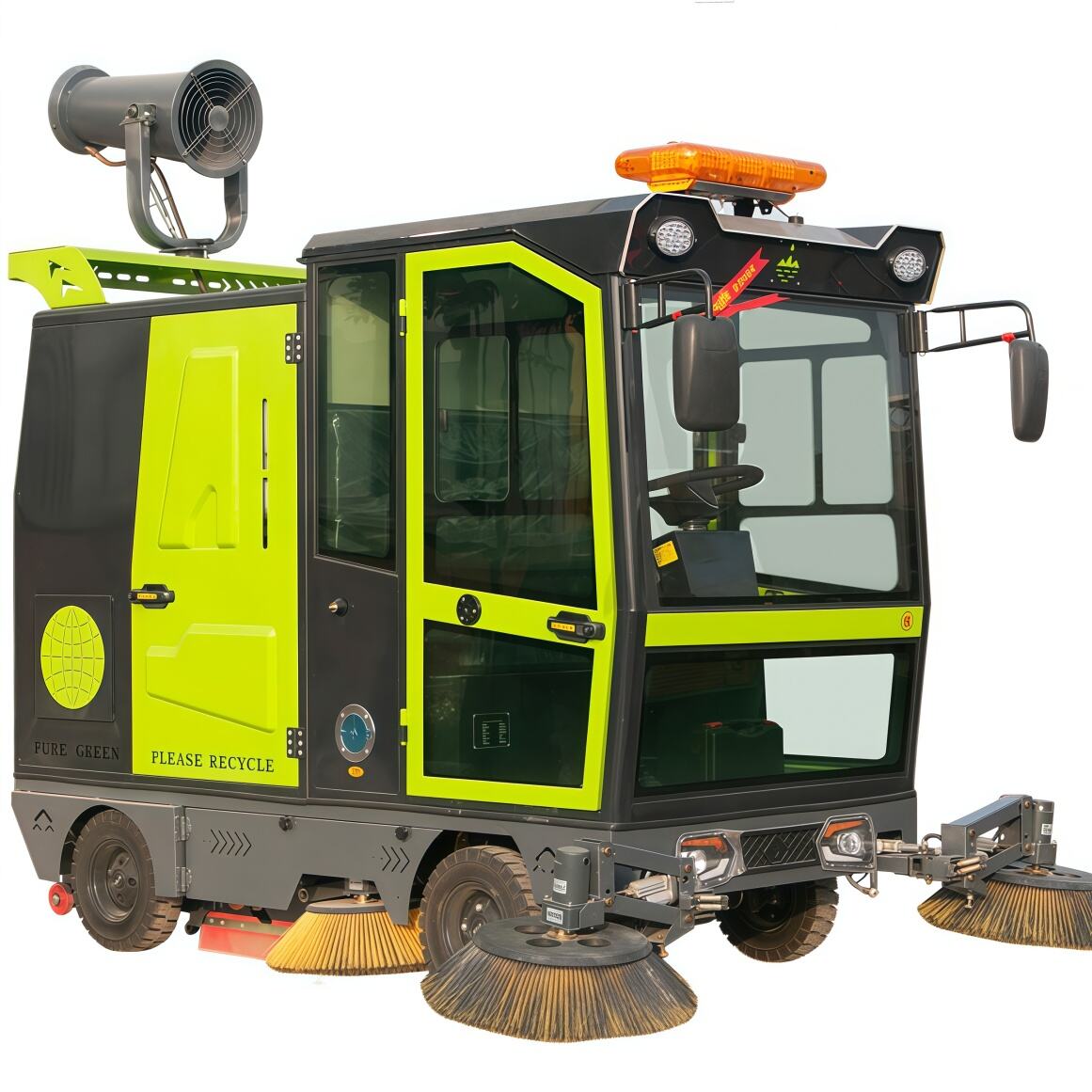
Define Municipal Operational Requirements
Match debris type (rocks, sand, fine dust) to optimal road sweeper capability
Cities need to match their sweeper specs to what kind of mess they're dealing with on the streets. For areas where big rocks and construction trash are common, sweepers should have tough brushes spinning around at about 800 to 1,000 RPMs. Sand-prone spots call for gutter brooms that push down with 35 to 50 pounds per square inch against the pavement. And when it comes to controlling those tiny dust particles, especially PM2.5 stuff, vacuum systems with filters that trap at least 99.7% of the junk become essential. Get this wrong and cleaning effectiveness drops dramatically – studies show up to an 80% drop in performance according to last year's Urban Maintenance Report.
Align cleaning frequency and seasonal demands with road sweeper duty cycle and uptime reliability
High-frequency urban cleaning (e.g., daily routes) requires sweepers rated for 2,000+ annual operating hours and modular components enabling rapid service. Seasonal operations such as leaf removal benefit more from weather-resistant design than ultra-high uptime. Key reliability benchmarks include:
| Operational Profile | Recommended Uptime | Critical Components |
|---|---|---|
| Daily urban cleaning | ≥92% | Brush motors, hydraulic seals |
| Seasonal leaf removal | ≥85% | Hopper sensors, filtration bags |
| Post-storm emergency | 98%+ | Debris conveyors, suction hoses |
Winter operations necessitate corrosion-resistant chassis and heated fluid systems: road salt accelerates wear by 40% annually, per the Municipal Equipment Reliability Study (2024).
Evaluate Core Road Sweeper Performance Metrics
Brush design, ground pressure, and pavement compatibility (porous, uneven, or well-maintained surfaces)
Brush configuration directly affects cleaning performance and surface preservation across pavement types. Stiff-bristle brushes perform well on compacted concrete but risk damaging porous asphalt when ground pressure exceeds 50 psi. Segmented brushes maintain consistent 35–50 psi contact across variable terrain, reducing surface wear by 30% (Urban Infrastructure Journal, 2022). Optimal specifications by surface:
| Surface Type | Recommended Brush | Optimal Pressure | Debris Clearance Rate |
|---|---|---|---|
| Porous Asphalt | Soft nylon bristles | 40–45 psi | 85% fine particles |
| Concrete | Hybrid rubber-nylon | 45–50 psi | 92% aggregate |
| Cobblestone/Uneven | Segmented polypropylene | 35–40 psi | 78% mixed debris |
Hopper capacity, suction efficiency, and dust control for urban air quality compliance
The new EPA 2023 air quality rules demand at least 95% capture of PM10 particles, so modern street sweepers now require advanced filtration systems that have been officially certified. Sweepers equipped with 12 cubic meter hoppers can keep running for about 8 kilometers before needing to empty, which makes a big difference when pollution levels spike. The regenerative air type of sweeper actually holds onto around 30 percent more tiny particles compared to the old mechanical ones, plus they save roughly half a million liters of water each year. Municipalities that enforce these certified sweeper requirements tend to see neighborhood particulate levels drop by about 22%, showing just how much this equipment matters for people's health in the long run.
Compare Road Sweeper Types by Municipal Use Case
Mechanical road sweepers for routine street cleaning and catch basin maintenance
Municipal workers know mechanical sweepers stand up to the toughest jobs when dealing with heavy stuff like rocks, gravel, and sand buildup on streets. The spinning brushes really get into those gutters and catch basins where compacted material tends to accumulate, which makes a big difference in preventing water backup during storms. Cities report around 94% uptime when these machines are running their regular sanitation schedules, so they work great in areas where getting rid of big chunks matters more than worrying about fine dust particles. Plus, since the machines aren't too complicated mechanically, most public works teams can operate them without needing extensive training sessions every time something new comes along.
Regenerative air vs. vacuum road sweepers for post-construction cleanup and stormwater-sensitive zones
| Feature | Regenerative Air Sweepers | Vacuum Sweepers |
|---|---|---|
| Post-construction | Circular airflow captures 95% of PM2.5 particles | Powerful suction handles bulk debris |
| Stormwater zones | Closed-loop filtration prevents runoff contamination | Risk of particle dispersal during transfer |
| Fine dust removal | Superior for silica and cement residues | Moderate efficiency on wet surfaces |
When working around sensitive areas like watersheds or those pesky Combined Sewer Overflow zones, regenerative air systems tend to be the go-to option these days. The reason? These places demand strict adherence to EPA standards regarding micro pollutants, and there's really no room for compromise here. What makes them stand out is their recirculation tech which cuts down on breathable dust particles by roughly three quarters when compared with regular vacuum systems after construction work wraps up. For bigger jobs though, especially on sites that aren't environmentally sensitive, old fashioned vacuum sweepers still have their place. They're great at moving lots of material quickly when what matters most isn't fine particulate control but getting the job done fast with straightforward suction power.
Assess Total Cost of Ownership and Regulatory Fit
When looking at the total cost of ownership for city road sweepers, it goes way beyond what's on the price tag. We're talking about everything from buying the machine right through to fuel expenses, regular maintenance, labor costs, and staying compliant with regulations across a typical 7 to 10 year lifespan. Some top performing models actually cut down on operating costs by around 30% over five years thanks to better brush longevity, improved hydraulic systems, and longer time between needed services. Regulations matter too. Sweepers need to meet those strict EPA Tier 4 emission requirements while keeping noise levels below 85 decibels at night according to most local ordinances. Cities that fail to follow these rules can face hefty penalties, sometimes upwards of $500 for each infraction in big urban areas where enforcement tends to be stricter.
Strategic fleet planning therefore balances three pillars:
- Durability: Hardened steel gutter brooms cut annual replacement costs by 40%
- Compliance: Integrated particulate filters ensure PM2.5 emissions stay below 0.025 g/kWh
- Flexibility: Quick-change filtration systems adapt seamlessly to seasonal stormwater restrictions
This dual-focus on long-term economics and enforceable environmental safeguards prevents budgetary surprises while upholding community air and water quality commitments.
FAQ
What type of debris should road sweepers be designed to handle?
Road sweepers should be equipped to handle debris specific to the area. For big rocks and construction debris, tough brushes are essential, while sand areas require gutter brooms with specific pressure. Areas with fine dust need vacuum systems that trap at least 99.7% of particles.
How often should urban areas schedule road sweeping?
High-frequency urban cleaning should be scheduled daily. Sweeper models designated for such high-frequency cleaning should be rated for over 2,000 annual operating hours.
What kind of road surfaces require specific brush designs?
Brush designs should be compatible with surface types. For example, porous asphalt requires soft nylon bristles, concrete is best cleaned with hybrid rubber-nylon brushes, and cobblestone or uneven surfaces benefit from segmented polypropylene brushes.
What's the difference between regenerative air sweepers and vacuum sweepers?
Regenerative air sweepers are better for fine particle removal, particularly PM2.5, and feature closed-loop filtration. Vacuum sweepers are efficient with bulk debris but risk particle dispersal during transfer.
How should cities plan the expenses of purchasing and maintaining road sweepers?
Cities should consider the total cost of ownership, including procurement, fuel, maintenance, and compliance with regulations. Choosing models that offer cost savings over time and meet EPA Tier 4 standards is crucial.
Table of Contents
- Define Municipal Operational Requirements
- Evaluate Core Road Sweeper Performance Metrics
- Compare Road Sweeper Types by Municipal Use Case
- Assess Total Cost of Ownership and Regulatory Fit
-
FAQ
- What type of debris should road sweepers be designed to handle?
- How often should urban areas schedule road sweeping?
- What kind of road surfaces require specific brush designs?
- What's the difference between regenerative air sweepers and vacuum sweepers?
- How should cities plan the expenses of purchasing and maintaining road sweepers?