

 EN
EN
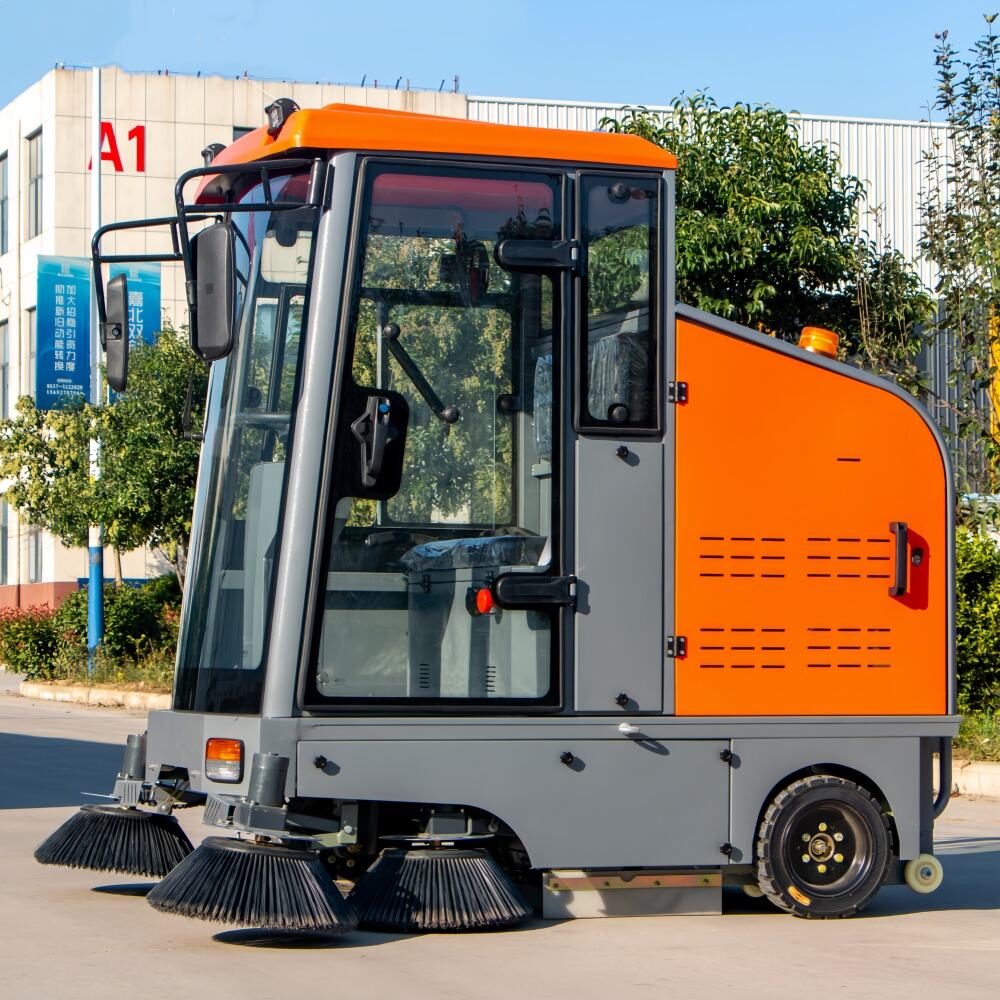
Zero-Emission Operation and Climate Benefits for Cities
Eliminating tailpipe emissions in high-density urban corridors
Electric road sweepers cut down on nasty pollutants such as nitrogen oxides (NOx) and fine particles known as PM2.5, especially important in crowded neighborhoods where bad air hangs around the most. Traditional diesel sweepers pump their exhaust right into walking areas, while electric versions produce no tailpipe fumes at all, cutting street level pollution by almost 98% when they're doing their job. This makes a big difference in busy city streets packed with people, since diesel smoke tends to make breathing problems worse for many folks. Cities that have switched to these electric machines often notice better air quality pretty quickly after implementation, sometimes seeing changes near local schools and bus stops where kids and elderly residents hang out. Going electric helps cities create those special zero emission zones too, since it takes away moving pollution sources from places where clean air matters most.
Lifecycle environmental impact: electric road sweeper vs. diesel counterpart
While battery production carries environmental costs, electric sweepers achieve a 62% lower carbon footprint than diesel equivalents over an 8-year lifespan when charged using average grid electricity–and up to 78% lower with renewable energy. Key drivers include:
- Operational phase: Zero direct emissions during daily use
- Maintenance: No engine oil, diesel particulate filters (DPFs), or exhaust aftertreatment systems
- Energy efficiency: Electric drivetrains convert 75% of energy to motion versus 30% for diesel
The carbon footprint difference between diesel and electric sweepers is staggering. Diesel machines emit about 740 kilograms of CO2 equivalent for every thousand kilometers driven, all from burning fuel. Meanwhile, electric sweepers don't produce any emissions while running. Some folks worry about batteries, but when we look at the whole picture including manufacturing, electric models actually catch up environmentally in only two to three years of use. And things get better as power grids become cleaner over time. For cities aiming to hit their net zero targets, switching to electric makes sense both practically and politically these days.
Lower Total Cost of Ownership for Municipal Road Sweeper Fleets
Electric road sweepers deliver substantial long-term savings for cities. By eliminating fuel volatility and simplifying drivetrain architecture, they slash recurring operational and maintenance expenses.
8-year TCO analysis: energy, maintenance, and depreciation savings
Municipal fleets realize 30–40% lower lifetime costs over eight years. New York City's 2024 deployment of electric sweepers reduced energy expenditures by 34% versus diesel equivalents while extending vehicle service life. Regenerative braking recaptures 15–20% of kinetic energy during operations, further lowering electricity consumption.
Reduced mechanical complexity: no oil changes, DPFs, or exhaust aftertreatment
Getting rid of those pesky diesel particulate filters (DPFs), exhaust aftertreatment systems, and all those complicated internal combustion bits actually saves about half on maintenance expenses. Electric powertrains just don't need oil changes, coolant flushes, or any transmission work at all. The result? Vehicles stay on the road longer without breaking down something that matters a lot for keeping cities clean every single day. Municipal fleets reported cutting their spare parts stock by around 60% in 2024 thanks to these electric systems. Makes sense when you think about it there's simply less stuff that can go wrong.
Enhanced Urban Livability Through Quiet, Flexible Road Sweeper Operations
Noise reduction enabling nighttime, early-morning, and hospital-school zone cleaning
Electric road sweepers run significantly quieter than their diesel counterparts, cutting noise levels around 13 dB which makes them sound about 60% less loud to people nearby. This noise benefit lets city workers clean streets when most folks are asleep between roughly 10 PM and 6 AM without causing major traffic headaches. The quiet operation is really helpful for areas close to hospitals since studies show patients recover better when there's less noise disturbance at night. Schools also benefit from early morning cleaning before students start arriving, avoiding those awkward moments when kids cross paths with big machines. Plus, the smaller size of electric sweepers means they can actually get into tight alleyways and bike lanes where larger diesel models just can't fit. And let's not forget the environmental angle either these machines eliminate about 2.3 tons worth of harmful diesel particles each year. That means cleaner air at night too, especially important during those inversion events when bad stuff gets trapped right down at street level instead of rising up into the atmosphere.
Superior Air Quality Outcomes with Integrated Filtration and Electric Powertrains
Synergy of zero-exhaust operation and HEPA-grade dust capture in modern road sweeper trucks
Electric sweepers get rid of all those pesky tailpipe emissions while they're running around town, which means people walking in busy areas aren't breathing in harmful NOx or diesel particles anymore. These machines also come with built-in HEPA filters that trap more than 99.97% of the tiny dust particles kicked up when sweeping streets. Research shows that combining these two approaches cuts down on overall particulate pollution by roughly 70% compared to old fashioned diesel sweepers from years back. What's really smart about how these electric models work is that they keep those super fine particles inside the machine instead of letting them float back out into crowded neighborhoods. Cities across the country are starting to roll out these cleaner sweepers especially close to schools and hospitals because clean air matters so much for kids playing outside and patients recovering indoors.
FAQ Section
What are the environmental benefits of electric road sweepers? Electric road sweepers significantly reduce pollutants such as nitrogen oxides (NOx) and PM2.5, improving air quality in crowded urban areas.
How do electric road sweepers compare to diesel sweepers in terms of carbon footprint? Electric sweepers have up to a 78% lower carbon footprint than diesel sweepers over an 8-year lifespan when charged with renewable energy.
What are the cost savings associated with electric road sweepers? Electric road sweepers offer 30-40% lower lifetime costs over eight years due to reduced energy expenditures and maintenance expenses.
Are electric road sweepers less noisy than diesel sweepers? Yes, electric sweepers are significantly quieter, reducing noise levels by about 13 dB, making them 60% less loud.