

 EN
EN
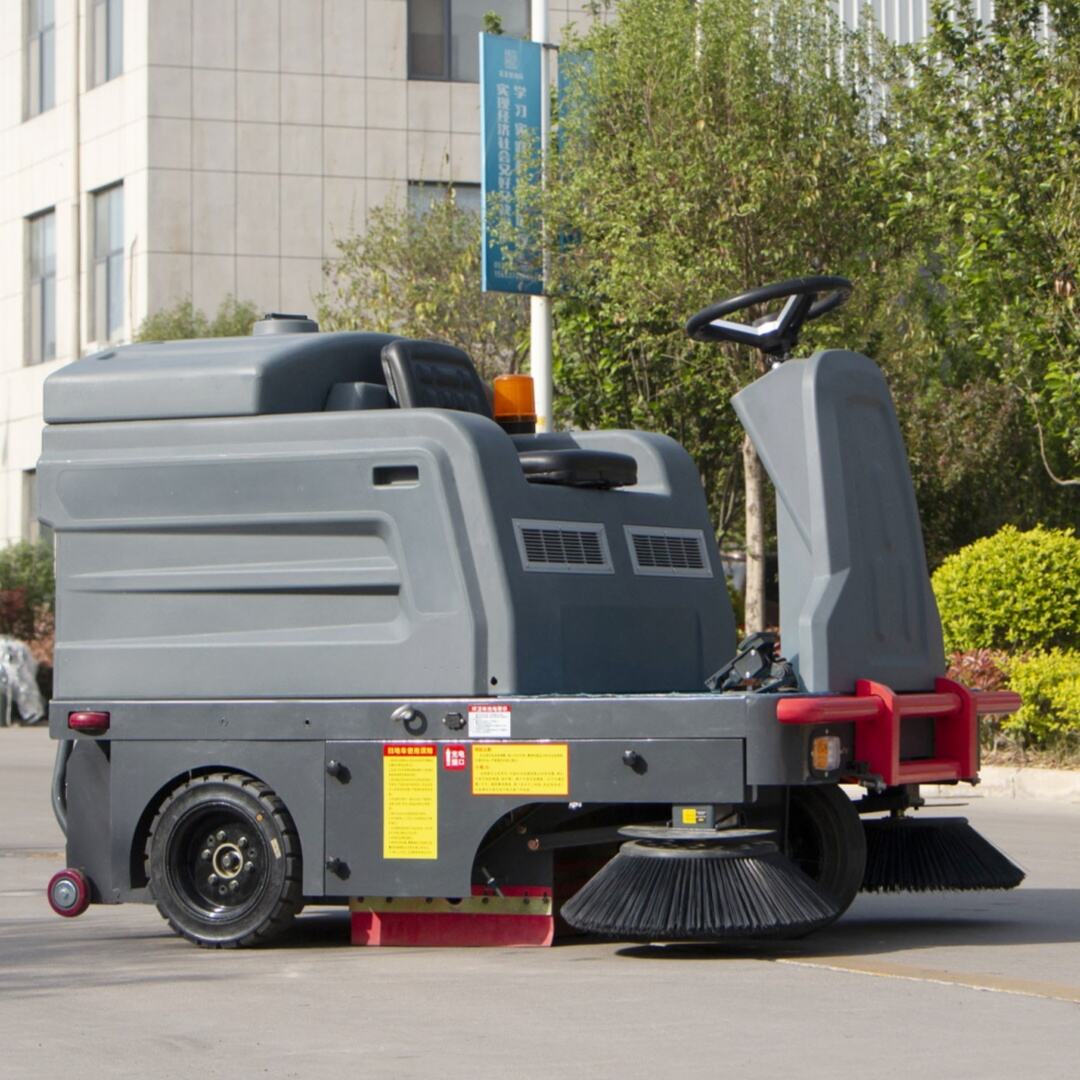
Operational Efficiency: How Road Sweepers Outperform Manual Cleaning
Time-to-Clean Metrics Across Pavement Types (Asphalt, Concrete, Cobblestone)
According to research in industrial cleaning, road sweepers finish their work anywhere between 8 to 10 times quicker than teams working manually. Take asphalt surfaces for instance, where these machines can cover around 20,000 square meters per hour compared to just 500 square meters when using traditional brooms. The difference is even more pronounced on different surfaces. Concrete gives sweepers a leg up since its smoothness boosts efficiency by about 15% relative to asphalt. Cobblestones tell another story though, cutting down performance by roughly 25% because of all those bumps and gaps. Still, despite these challenges, sweepers manage to stay ahead by at least five times the speed of hand cleaning methods. What makes this possible? Modern sweepers come equipped with brushes that adjust pressure automatically and vacuum systems that adapt as conditions change across various terrains, keeping productivity levels steady throughout operations.
Debris Removal Efficacy: PM10 Capture, Leaf Accumulation, and Granular Waste Clearance
The latest road sweepers can grab around 95% of those tiny PM10 particles thanks to their HEPA filtered vacuum systems. According to studies from the EPA on environmental health, this cuts down on breathable dust by about 83% when compared to old fashioned manual sweeping methods. When it comes to wet stuff like leaves and other organic matter, modern mechanical sweepers do an amazing job clearing away 98% of the mess. That's way better than traditional brooms which only manage around 65% effectiveness because they just don't have the same high torque brush systems. For granular materials such as sand, grit, and even microscopic plastics, these machines remove approximately 92% of what's lying around. This helps keep storm drains from getting blocked and stops contaminants from making their way into waterways downstream. What makes all this possible isn't just brute force but smart engineering that combines powerful suction, good filtration systems, and continuous monitoring of debris throughout operation.
Total Cost of Ownership: Road Sweeper Investment vs Manual Labor Costs
Upfront Acquisition, Fuel, Maintenance, and Depreciation Over 5 Years
Manual cleaning might seem cheaper at first glance since there's almost nothing to spend upfront, but road sweepers actually offer better value over time. Looking at the big picture, about half of what gets spent on owning these machines goes toward depreciation over five years. Maintenance costs can range anywhere between five thousand and twenty thousand dollars annually, depending largely on how much they're used and which specific model we're talking about. For those who care about numbers, regenerative air sweepers typically need around eight percent of their value spent on maintenance each year, whereas mechanical ones hit closer to twelve percent. Electric versions save money too, cutting fuel bills by roughly thirty-four percent compared to their diesel counterparts. And let's not forget about telematics systems that help optimize routes. These smart technologies extend the lifespan of equipment significantly by eliminating redundant work areas by about twenty-two percent, which means less wear on parts and fewer headaches coordinating staff efforts.
Labor Cost Per Kilometer: FTEs Required for Manual Cleaning vs. Road Sweeper Operator Hours
One road sweeper operator achieves around 92 percent effectiveness on regular city streets, which is actually better than what three to four people working manually could manage. The machines finish their rounds about four times quicker than traditional broom teams do. This means local governments have extra hands free to handle other urgent tasks when needed most. While wages and gas account for about 30% of all expenses related to owning these vehicles, switching to mechanical sweeping cuts down on breathing risks for workers by almost two thirds. Plus, cities get to clean 35% more roads each day without hiring additional staff members. Makes sense really, since protecting employee health while getting more done with fewer resources is something every municipality wants.
Health, Safety, and Environmental Impact of Road Sweeper Deployment
Dust Suppression Performance: Measured PM2.5/PM10 Resuspension Reduction with Modern Road Sweepers
Modern road sweepers tackle dust and dirt right where they form, combining water sprays with powerful vacuums to cut down on floating particles. These machines slash PM2.5 and PM10 resuspension rates by around 60 to 80 percent compared to old fashioned brooms and shovels. Cities that have switched to these advanced sweepers report PM10 levels averaging below 20 micrograms per cubic meter in the air. That's about half what we see in areas still relying solely on manual cleaning crews. The latest models come equipped with top notch filters that catch nearly all particles smaller than 10 microns, which helps meet World Health Organization standards for clean air. This matters most near busy roads and intersections where exhaust fumes and tire wear constantly push pollution levels beyond safe limits according to health experts.
Worker Exposure Risk Mitigation: Respiratory Burden Comparison Between Broom Operators and Road Sweeper Drivers
Studies on worker health show that people who sweep streets manually get exposed to about eight times more fine particles in their lungs compared to those operating road sweepers. The reason? Those fancy enclosed cabs with HEPA filters keep the dust down inside at around 5 micrograms per cubic meter of PM2.5, while outside on the pavement, broom crew members are breathing air with over 40 micrograms per cubic meter. This kind of protection cuts down the chances of getting chronic bronchitis by roughly 70 percent and makes asthma flare ups happen about 45% less often for street cleaners. And it's not just about cleaner air either. These sealed operator compartments also shield workers from traffic dangers and cut back on injuries from repetitive motions plus heat exhaustion problems. For city maintenance departments looking to improve worker safety, switching to mechanical sweeping equipment represents a major step forward in protecting employees according to standard occupational safety guidelines.
FAQ
How do road sweepers compare in efficiency to manual street cleaning?
Road sweepers are significantly more efficient, completing tasks 8 to 10 times faster than manual cleaning methods, even on challenging surfaces like cobblestones.
What health benefits do road sweepers provide over manual cleaning?
Road sweepers reduce exposure to harmful dust for operators due to sealed cabs and HEPA filters, decreasing respiratory health risks for workers.
Are road sweepers cost-effective compared to manual cleaning?
Although manual cleaning seems cheaper initially, road sweepers provide better long-term value due to efficiency and reduced labor costs.