

 EN
EN
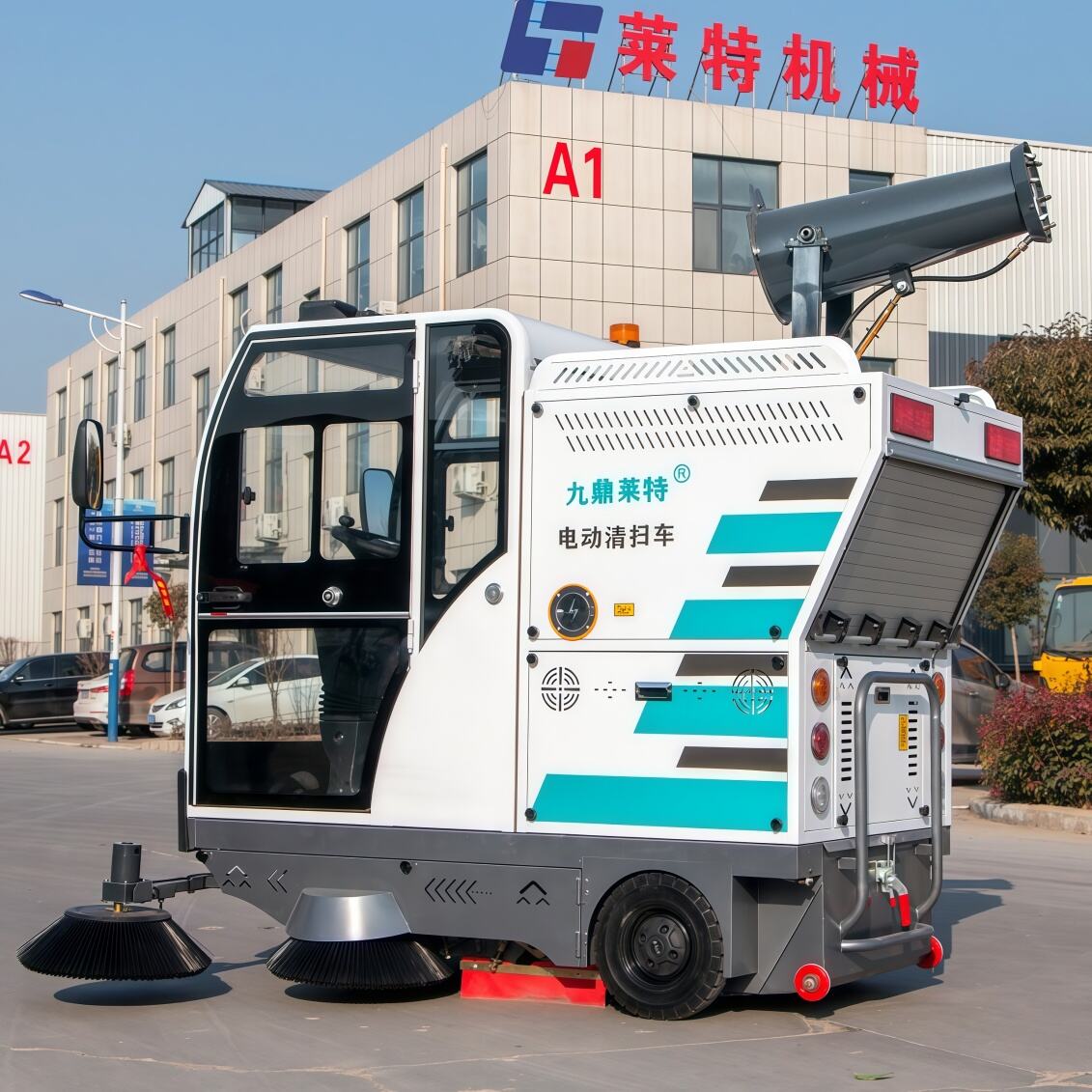
Mechanical Sweeping System: Brooms, Brushes, and Configuration
Main sweeper brooms vs. gutter brooms: function, wear life, and material compatibility
The main brooms sweep up all sorts of dirt along the path they cover, whereas gutter brooms are specifically designed to get rid of stuff stuck to curbs and edges. Most main brooms these days come with polypropylene bristles and generally last somewhere between 300 to 500 hours when used on regular surfaces like asphalt or concrete pavement. Gutter brooms face much harsher conditions though, so manufacturers reinforce them with nylon cores that can handle constant rubbing against curbs during operation. According to research published back in 2009 by someone named Sutherland, there's actually quite a significant problem with wet sweeping methods. When streets get washed down, this tends to leave behind around 124% more material than dry sweeping does. There's definitely a catch here though water helps control airborne dust particles but at the same time makes it harder for machines to pick up certain types of debris, particularly those containing clay or other moisture absorbing substances.
Brush types and configurations: tube brushes, angled mounts, and adaptive pressure systems
Brushes shaped like tubes angled between 15 to 30 degrees move debris away from surfaces about 40 percent quicker compared to flat brushes because they follow better trajectories and don't bounce as much. Today's sweeping machines come equipped with smart hydraulic systems that sense weight distribution and automatically tweak how hard the brushes press down against different surfaces. These systems keep around 25 pounds per square inch pressure when cleaning tough concrete floors but drop below 18 psi on softer materials like gravel to avoid damage. The new quick change system for replacing worn brushes saves roughly 70% of the time previously lost during manual bolt changes, which means maintenance crews can get equipment back online faster without risking any structural weaknesses in the process.
Debris Collection Efficiency: Hopper Design, Capacity, and Emptying Systems
Hopper volume-to-weight ratio, anti-clogging geometry, and hydraulic dump reliability
Designing a hopper involves finding the right balance between how much material it can hold versus what the vehicle can carry safely without compromising structural integrity. Most professionals in the field suggest going for at least an 8 to 1 ratio when comparing cubic yardage to tons of weight. This helps make sure trucks spend less time making trips to dispose of materials. The shape matters too. Hoppers typically have very steep angles inside, usually around 60 degrees, which stops stuff from getting stuck together or compacted. They also come equipped with vibration mechanisms that help things flow out smoothly. Studies on bulk material handling show these features cut down on clogs by about three quarters. When it comes to hydraulic dump systems, they need to handle pressures above 3,000 pounds per square inch reliably. Many manufacturers opt for dual cylinder setups as backup because if one cylinder gives out during operation, the other can still do the job safely. For those dealing with harsh materials like sand, gravel, or old road surfaces, stainless steel lining makes all the difference. It stands up to abrasion far better than regular steel, meaning less downtime for repairs and replacements over time.
Conveyor vs. vacuum collection: dust retention performance (92% vs. 98.7% EPA-certified)
How we collect material has a real impact on meeting those EPA standards for PM2.5 and PM10. Let's look at conveyor systems first. These things work with rotating belts moving the debris along, but there's always some loss because fine particles slip through the gaps between components. Most models manage around 92% dust retention according to EPA certification. Vacuum systems take a different approach though. They form tight negative pressure seals at their intake points which actually captures about 98.7% of all airborne particles, numbers confirmed during testing under EPA protocol 600/R-23/205. That extra 6.7% efficiency does come with tradeoffs however. Vacuum equipment typically guzzles 30 to 35 kilowatts per hour while conveyor versions only need 18 to 22 kW/h. So operators face a 40% jump in energy costs when switching over. Makes sense why companies need to do some serious thinking before making this change, especially considering what kind of air quality regulations apply locally and how long these machines will run day after day.
| System Type | Dust Retention | Energy Use | Ideal Use Case |
|---|---|---|---|
| Conveyor | 92% EPA-certified | 18–22 kW/h | Heavy debris on paved roads |
| Vacuum | 98.7% EPA-certified | 30–35 kW/h | Urban areas with fine dust |
Dust Suppression and Environmental Compliance for Road Sweeper Operations
Water spray system calibration: flow rate, nozzle placement, and evaporation trade-offs
Effective dust suppression depends on precision—not volume. Optimal water flow ranges from 4–6 gallons per minute: enough to agglomerate fines without causing runoff or oversaturation. Nozzle placement is equally critical:
- Primary broom nozzles, positioned within 15° of the brush contact zone, suppress dust at the source of agitation;
- Conveyor intake sprays, targeted just before material transfer, minimize fugitive emissions during loading;
- Perimeter misters, mounted along hopper edges, form an airborne particle barrier that reduces ambient PM dispersion.
High-pressure atomization and speed-synchronized activation mitigate evaporation losses, while advanced controllers with real-time humidity compensation reduce water consumption by 18% in arid conditions—per field validation studies. Without such calibration, up to 40% of applied water may be wasted, and operators risk exceeding EPA PM10 emission thresholds despite active suppression.
Operational Performance: Speed, Maneuverability, and Surface-Specific Adaptability
Sweeping speed and coverage efficiency across asphalt, cobblestone, and gravel surfaces
The right sweeping speed depends on what kind of surface we're dealing with if we want effective cleaning without harming the road itself. For asphalt roads, going between 8 and 12 kilometers per hour works pretty well. But when it comes to old cobblestone streets, things get tricky fast. We need to slow down to 6 km/h or less otherwise stones just scatter everywhere and those precious stone joints take damage. Gravel surfaces present another challenge altogether. If machines go faster than 5 km/h on gravel, they end up missing about 30% of the area because the loose stones move around so much and brushes can't really sink into the surface properly. That's where adaptive pressure systems come in handy. These smart systems adjust how hard the brushes press against different surfaces, keeping them in contact even on bumpy spots. This helps collect dirt evenly while protecting the surface from scratches or wear over time.
Tight-turn capability: axle articulation vs. zero-turn electric drive benchmarks
Electric zero turn systems can make turns as tight as 1.5 meters, which is about 40 percent better than what traditional axle systems manage. This makes them really useful for cleaning all the way from one curb to another in those narrow city alleys and pedestrian areas where space is at a premium. Regular articulated vehicles need at least 3.8 meters of space to maneuver properly, but their electric counterparts work just fine with only 2.1 meters available. Another big plus for electric models comes from city maintenance reports showing they cut down on tire wear by around 70% when operating on delicate surfaces such as brick pavers or decorative concrete finishes. Less tire scrub means these surfaces stay looking nicer for longer periods and don't need repairs quite so often either.
FAQ Section
What are the differences between main sweeper brooms and gutter brooms?
Main sweeper brooms are designed to clean large surfaces and last longer, while gutter brooms are reinforced for tougher conditions to remove debris from curbs and edges.
Why are tube brushes more efficient than flat brushes?
Tube brushes move debris away about 40% quicker due to their angled design, which avoids bouncing and follows better trajectories.
What is the importance of hopper design in debris collection?
A well-designed hopper ensures optimal material capacity and prevents clogging, reducing trips for disposal and structural integrity concerns.
How do conveyor and vacuum systems differ in dust retention and energy use?
Conveyor systems achieve around 92% dust retention but use less energy, while vacuum systems offer 98.7% retention at a higher energy cost.
What role does the water spray system play in road sweeper operations?
Water spray systems suppress dust effectively through precision flow and strategic nozzle placement, minimizing evaporation losses and reducing water consumption.
How do adaptive pressure systems benefit sweeping surfaces?
Adaptive pressure systems adjust brush force, ensuring consistent contact and protecting surfaces from scratches and wear.
What advantages do tight-turn capability systems offer?
Electric zero-turn systems allow tighter turns and reduce tire wear, providing efficient maneuverability in narrow spaces.
Table of Contents
- Mechanical Sweeping System: Brooms, Brushes, and Configuration
- Debris Collection Efficiency: Hopper Design, Capacity, and Emptying Systems
- Dust Suppression and Environmental Compliance for Road Sweeper Operations
- Operational Performance: Speed, Maneuverability, and Surface-Specific Adaptability
-
FAQ Section
- What are the differences between main sweeper brooms and gutter brooms?
- Why are tube brushes more efficient than flat brushes?
- What is the importance of hopper design in debris collection?
- How do conveyor and vacuum systems differ in dust retention and energy use?
- What role does the water spray system play in road sweeper operations?
- How do adaptive pressure systems benefit sweeping surfaces?
- What advantages do tight-turn capability systems offer?