

 EN
EN
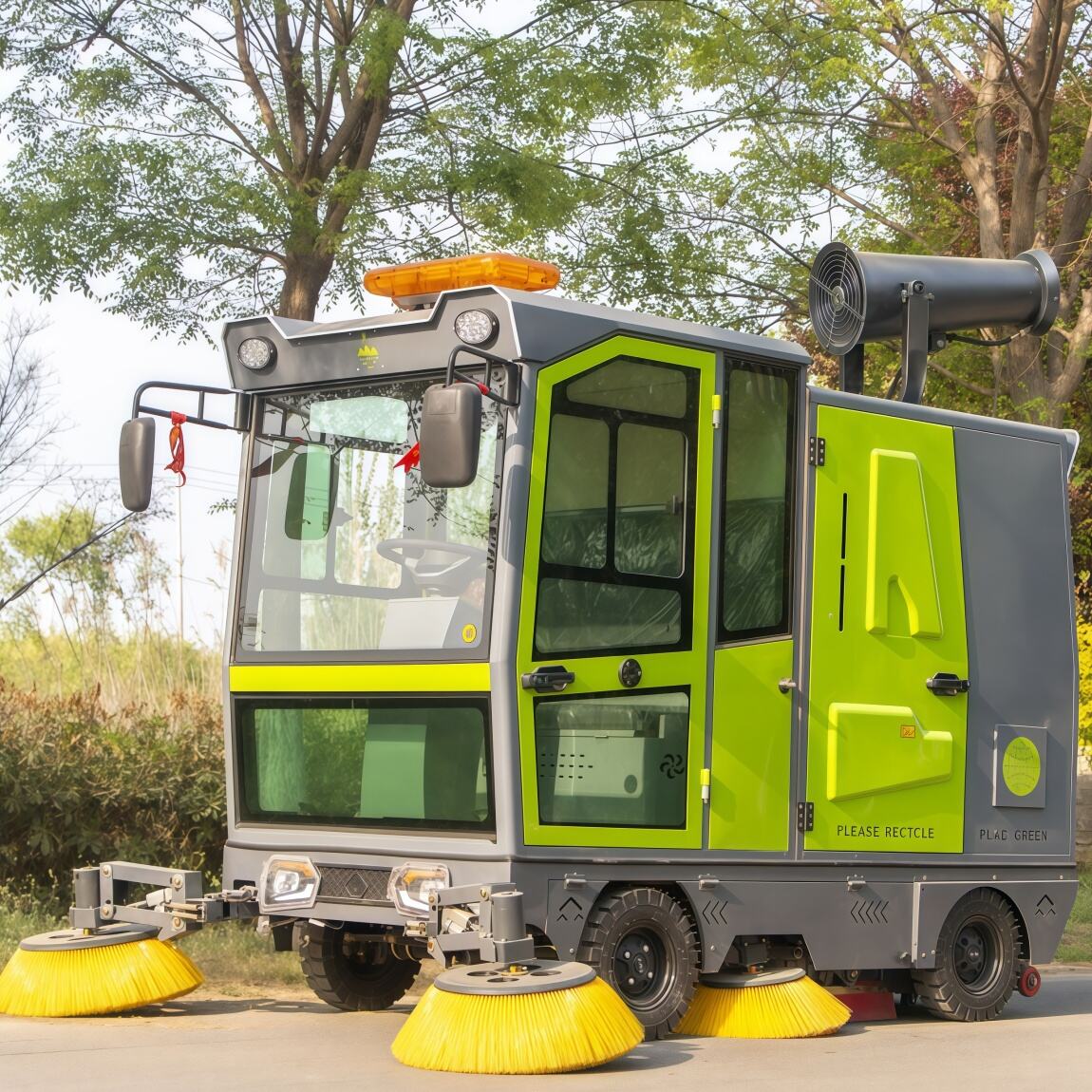
Road Sweepers and Urban Air Quality: Capturing PM10 and PM2.5 at the Source
Mechanical Dust Suppression and Respiratory Irritant Reduction
Street sweepers grab all sorts of dirt and tiny particles off city streets before they get blown around by wind or kicked up by passing cars. These machines have spinning brushes plus powerful vacuums that suck up everything from regular dust to really small stuff like PM10 and PM2.5 right at ground level where people actually breathe it in. Many models also spray water while working which keeps loose dust from floating up into the air. When cities keep their streets clean regularly with these sweepers, something interesting happens. The amount of bad stuff hanging in the air goes down, and studies show fewer people end up in hospitals for breathing problems. Asthma attacks drop, folks with chronic coughs feel better, and there's even less strain on heart health. Some towns have seen real improvements just by making sure their sweepers hit the roads at the right times throughout the week.
Quantifying PM Removal Efficiency: Real-World Data on Road Sweeper Performance
When used properly, modern street sweepers can actually cut down on airborne particles in measurable ways. Vacuum models with HEPA filters tend to grab around 80% of PM10 particles in lab tests, though real world results vary. Cities have noticed something interesting too - PM2.5 levels often fall by about 30% in areas where sweepers regularly pass through, especially during rush hour traffic times. How well these machines work really comes down to three main factors: how often they run, when they're scheduled, and what kind of technology they employ. Let's take a closer look at each of these elements.
| Factor | Impact on PM Removal | Optimal Approach |
|---|---|---|
| Sweeping Frequency | Weekly sweeps reduce particulates 50% more than monthly | High-traffic zones: 2–3 weekly |
| Timing | Morning sweeps prevent daytime dispersion | Pre-commute hours (4–6 AM) |
| Technology | Regenerative air systems outperform mechanical brooms for fine particles | Vacuum + water spray combination |
Particulate reductions persist for up to 72 hours post-sweeping. Municipalities using performance-based scheduling—aligning routes and frequency with real-time air quality and traffic data—achieve the greatest and most sustained improvements.
Road Sweepers as Stormwater Pollution Control Tools
Preventing Sediment and Heavy Metal Runoff Through Proactive Street Sweeping
Getting ahead of the problem is what proactive street sweeping does best. Before the rain comes down and washes everything into the storm drains, modern street sweepers grab hold of all sorts of stuff we don't want in our water systems. Think about it: they pick up sediment, those tiny plastic bits floating around, plus heavy metals like lead, zinc, copper, and even dangerous cadmium that comes from things like worn brakes, tires grinding against pavement, and waste from factories nearby. If left alone, all this junk finds its way into rivers and lakes when it rains hard enough. The result? Fish struggle to reproduce properly, ecosystems get messed up, and cities have to spend extra money cleaning their water supplies. Studies show regular sweeping every week or two can cut down on total suspended solids in stormwater by almost 80% each year. Cities that focus their efforts on areas next to industrial parks, around schools, and along busy roads see the biggest drops in harmful metals. And there's another bonus too. When sweepers clear out debris before it rains, they help keep drains from getting clogged, which means fewer flooded streets after big storms. So street sweeping isn't just good for the environment, it actually helps protect city infrastructure from damage during heavy weather events.
Operational Best Practices for Maximum Road Sweeper Effectiveness
Optimizing Sweep Frequency, Timing, and Equipment Type by Urban Zone
Getting good results really depends on where things are happening. Busy commercial areas work best when we do our cleaning during those early hours, around 3 to 5 in the morning, so we can grab all that brake dust and trash before people start heading into work. For neighborhoods, twice a month usually does the trick if we schedule it right after garbage day when there's just so much stuff piled up along the curbs. Choosing the right equipment matters too. Those fancy air sweepers are great at picking up tiny particles, which makes them perfect for places like schools or hospitals where cleanliness counts. But down near factories and construction zones, old fashioned mechanical brooms still get the job done for bigger chunks of debris. We've found that keeping vehicles under seven miles per hour helps maintain about 89% effectiveness according to city standards. And interestingly enough, teams that go through proper training programs tend to clean out PM2.5 particles 40% better than others based on actual field tests.
Balancing Emission Trade-offs: Electric vs. Diesel Road Sweepers in Low-Emission Zones
Going electric helps cities meet their air quality targets, but there's no one-size-fits-all approach here. Street sweepers that run on batteries completely cut out those harmful nitrogen oxide and particulate matter emissions from exhaust pipes. That makes them perfect for places where clean air matters most like near hospitals, schools, and crowded neighborhoods where fine particle pollution levels often break World Health Organization standards. Diesel machines still have their place though, especially when crews need to cover long distances or work in remote spots since they can last about 30 percent longer between refuels. Smart cities are building mixed fleets these days, putting electric sweepers to work in the most polluted areas while keeping diesel or hybrid models handy for outer城市 or busy streets that demand constant operation. Looking at the whole picture, battery powered sweepers actually become carbon neutral pretty quickly in cities running mostly on green power sources (around 18 months if at least 60% comes from renewables). The catch? They typically cost about 25% more upfront. But careful planning around nighttime charging means these electric machines can operate at full capacity during daylight hours without leaving any part of town underserved.
Tangible Public Health and Safety Outcomes of Consistent Road Sweeping
Regular road sweeping actually brings quite a few benefits across different areas of public life. When streets get cleaned frequently, it helps sweep away those tiny particles like PM2.5 and PM10 before they can float into the air where people breathe them in. This makes a real difference for folks suffering from conditions such as asthma or COPD. According to some recent studies from Public Health Analytics back in 2023, communities that keep their streets clean regularly often experience around a 15% improvement in local air quality. We also notice fewer trips to emergency rooms by both kids and seniors living there. Another important aspect is how sweeping stops harmful stuff from getting into our storm drains. The dirt and grime picked up during cleaning contains all sorts of nasty chemicals including heavy metals that could pollute our drinking water supplies and damage fish habitats in nearby rivers and lakes. Plus there's safety factor too. Cleaner roads mean better grip for car tires, which translates into about 30% fewer accidents caused by slippery conditions according to what the National Transportation Safety Board has found. All told, this shows that road sweeping goes way beyond just keeping things looking nice. It functions almost like preventive medicine for cities, delivering long term benefits not only for cleaner air but also safer water systems, smoother transportation, and healthier communities overall.
FAQ
How do street sweepers help improve air quality?
Street sweepers capture dirt and particulate matter like PM10 and PM2.5 at ground level, preventing them from becoming airborne and lowering air pollution levels.
Can street sweepers prevent water pollution?
Yes, by capturing sediment and pollutants like heavy metals before a rainstorm, street sweepers prevent these harmful materials from entering storm drains and water systems.
Why should cities consider electric street sweepers?
Electric street sweepers are better for areas needing clean air due to zero emissions, while diesel models are suitable for longer operation needs and remote areas.