

 EN
EN
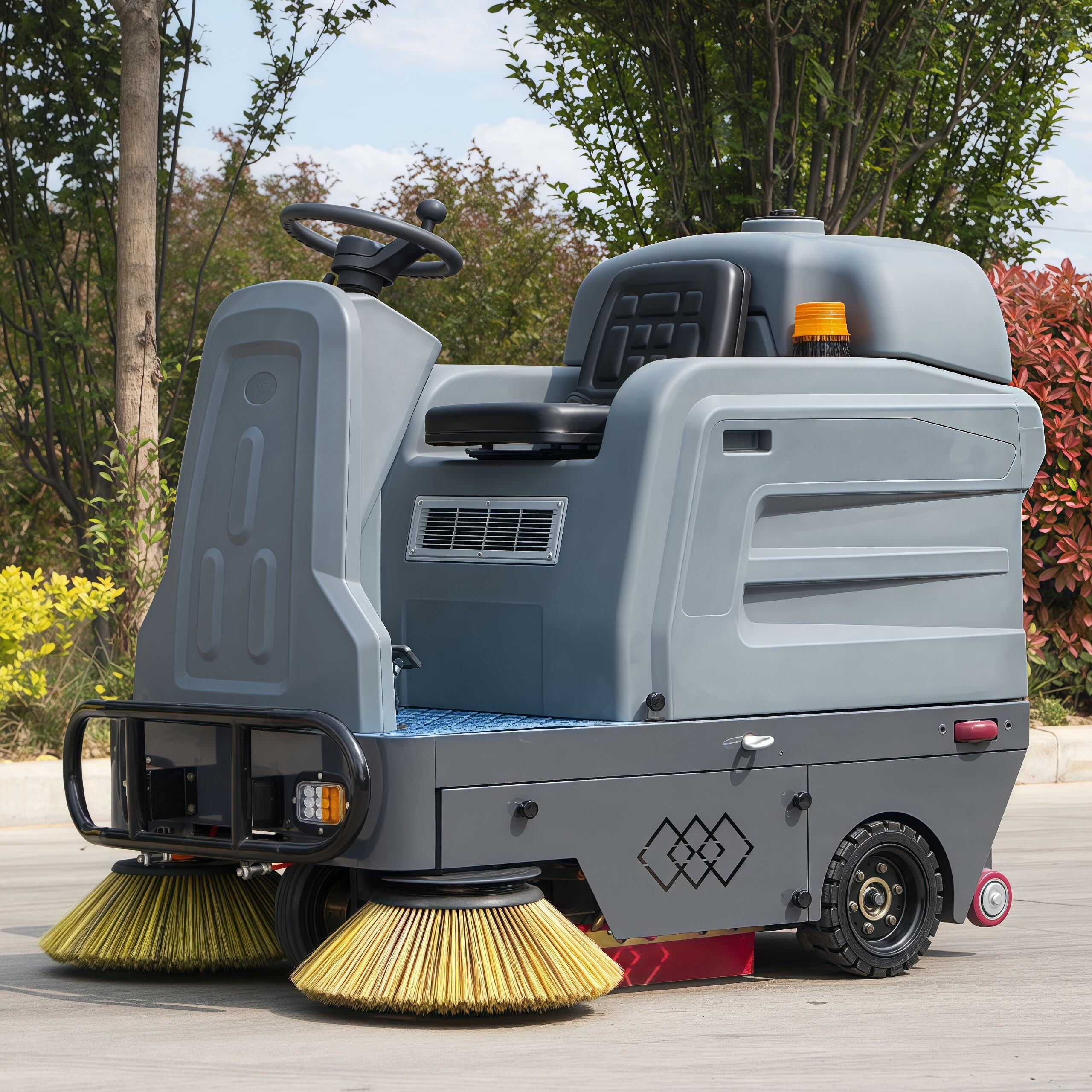
Daily and Weekly Road Sweeper Maintenance Routines
Pre-Operation Walkaround and Fluid Checks
Before starting any shift, take a good look around the equipment to spot anything that might go wrong later on. Hydraulic fluid, engine oil, and coolant levels need checking regularly because low fluid levels are responsible for about 8 out of 10 hydraulic failures in city vehicle fleets, per a recent study in the Equipment Maintenance Journal. Don’t forget to check tire pressure and look for cuts or punctures, while also running your hands along all those rubber hoses to feel for any hidden cracks or leaks. Give all the lights and warning systems a quick test too. The broom down pressure settings are another critical point worth verifying since getting these wrong leads to faster component wear and makes garbage pickup less effective overall. Spending just five minutes on this basic maintenance routine can save hours of downtime later and cut yearly repair bills by roughly a quarter according to industry data.
Debris Clearing, Lubrication, and Visual Inspections
After operation, prioritize these critical tasks:
- Clear debris: Remove accumulated material from brushes, hoppers, and conveyor belts using air compressors or vacuums. Built-up residue reduces suction efficiency by 40% and promotes corrosion.
- Lubricate moving parts: Apply manufacturer-recommended grease to pivot points, chain drives, and bearing assemblies weekly. Under-lubrication accounts for 30% of premature brush motor failures.
- Inspect wear components: Examine rubber skirts, curb brooms, and filter screens for tears, hardening, or blockages. Document findings to anticipate replacement cycles and avoid unexpected downtime.
Critical Road Sweeper Components Requiring Scheduled Attention
Brush Inspection, Replacement, and Broom Down Pressure Optimization
Keeping an eye on those brushes regularly helps avoid early wear and keeps things running smoothly during sweeps. Look at them once a week for signs like uneven bristle wear, any metal parts showing stress, or stuff getting stuck in there. Time to replace? Probably when the bristles get about a third shorter or if the core starts bending out of shape. Most folks find they need new ones somewhere between 300 to 500 hours of work, but rough surfaces will eat through them faster. Getting the pressure right matters too. Too much force on the ground wears everything down quicker, maybe even doubles the wear rate. Not enough and dirt just sits there. For asphalt, aim around 25 to 35 pounds per square inch. Concrete needs less, maybe 15 to 25 psi works best. Don’t forget to check how straight the brushes are sitting each month. Crooked brushes wear unevenly and leave patches where nothing gets cleaned properly.
Hydraulic System and Wear-Prone Parts: Hopper, Sweeping Head, Rubber Skirts, Curb Brooms
Hydraulic systems require bi-monthly checks for hose integrity, seal leaks, and fluid contamination. A single leaking seal can degrade system pressure by 15% within 100 operational hours. Prioritize these wear-prone components:
- Hopper: Inspect hinges and hydraulic lift mechanisms quarterly for stress fractures
- Sweeping head: Verify chain tension and gearbox lubrication every 200 hours
- Rubber skirts: Replace when cracking exceeds 2 mm depth to maintain ground seal
- Curb brooms: Check bearing housings and pivot points for metal fatigue
Conduct pressure tests on hydraulic circuits biannually and maintain fluid viscosity at ISO VG 46 to prevent pump cavitation. Operators should document wear rates of high-friction parts—such as skirting—to support predictive maintenance planning.
Strategic Long-Term Road Sweeper Maintenance Practices
Following Manufacturer Service Schedules and Using OEM Parts
Following the manufacturer’s recommended maintenance schedule really helps prolong equipment lifespan. The scheduled intervals aren’t just random suggestions but come from extensive testing and engineering analysis that balances how different parts wear down over time, keeps fluids performing properly, and maintains overall system coordination. When it comes to replacement parts, going with OEM (Original Equipment Manufacturer) components makes all the difference. They fit exactly right, work well with existing materials, and tend to last much longer than cheaper alternatives. Aftermarket parts can cause problems ranging from minor misalignments to serious leaks or even faster breakdowns of critical components. Machines serviced with genuine OEM parts typically see between 30 to 50 percent fewer issues with hydraulic systems and brush assemblies. This means fewer unexpected shutdowns and big savings on repair bills over the long run, which matters a lot for operations budgets.
Seasonal Adjustments and Operator Training for Sustained Performance
Maintenance needs change with the seasons. When temperatures drop, hydraulic fluids get thicker, so we need to adjust their viscosity or install heaters. The opposite happens in summer when heat makes rubber skirts harden faster and filters clog more quickly. Skilled operators play a big role in equipment lifespan. Just controlling broom pressure correctly can cut down on brush wear quite a bit, maybe around 20% or so according to some studies. Good driving techniques matter too since poor maneuvering often leads to damage from hitting hoppers. Training programs should focus on these practical skills first.
- Debris-specific speed and angle adjustments
- Consistent pre-operation inspection protocols
- Real-time hydraulic system monitoring and response
Investing in operator competency maximizes ROI by extending component life, lowering repair frequency, and sustaining peak operational performance across changing conditions.
FAQ
How often should road sweeper brushes be replaced?
Road sweeper brushes typically need replacement every 300 to 500 operational hours. If brushes show signs of uneven bristle wear or decrease in length by one-third, it is time for a replacement.
Why is it crucial to use OEM parts for road sweeper maintenance?
OEM parts are specifically designed to fit and function correctly with the existing equipment. Using these parts reduces issues such as leaks, misalignments, and premature wear, leading to fewer unexpected shutdowns and repair costs.
How do seasonal changes affect road sweeper maintenance?
Seasonal changes can affect equipment performance. Cold weather thickens hydraulic fluids requiring viscosity adjustments, while hot temperatures may cause rubber skirts to harden. Operators may need to adjust techniques to maintain efficiency.
What checks should be conducted on hydraulic systems?
Hydraulic systems require bi-monthly checks for hose integrity, seal leaks, and fluid contamination. Regular pressure tests and maintaining fluid viscosity prevent pump cavitation and ensure system efficiency.