

 EN
EN
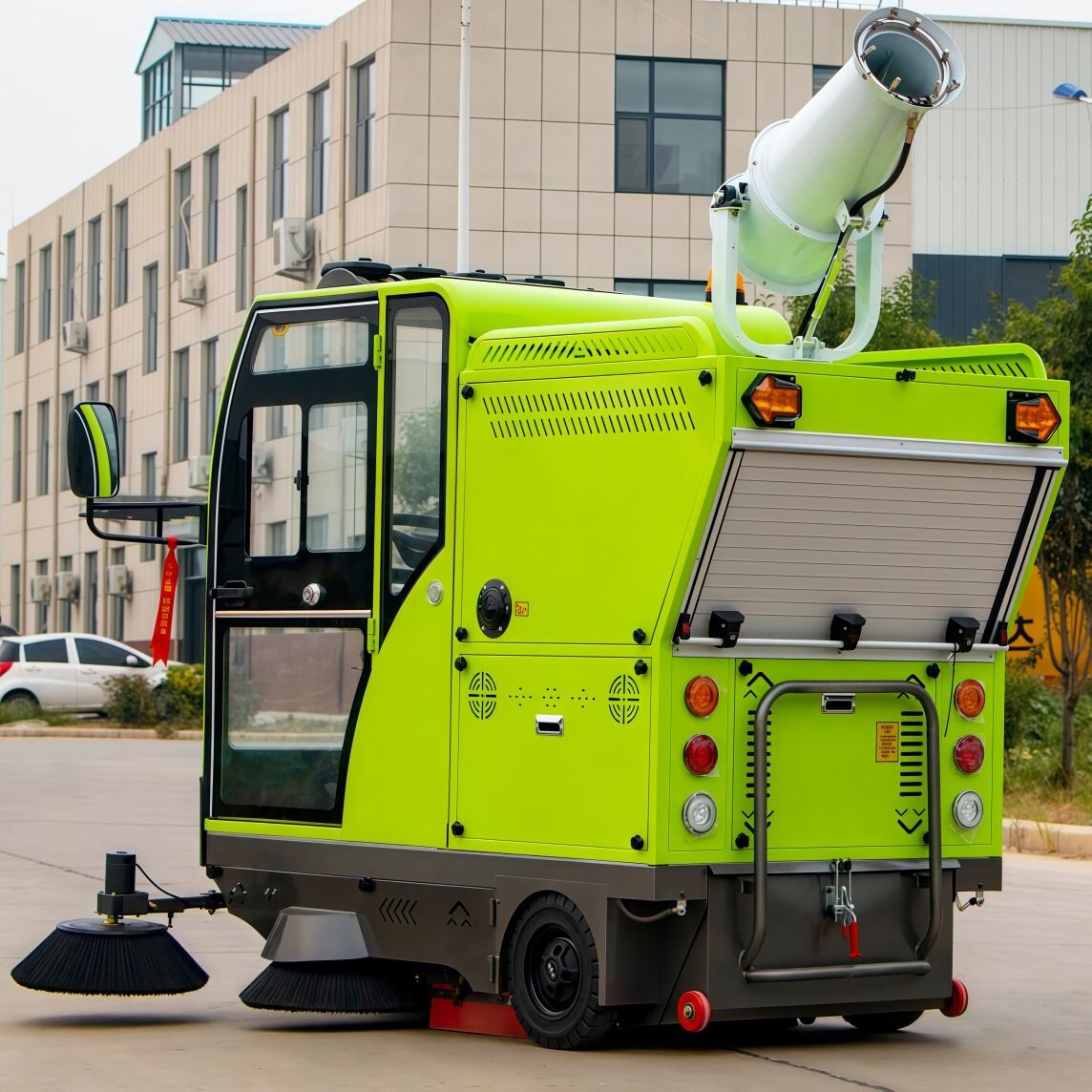
Smart Route Optimization for Urban Road Sweeper Operations
GPS and GIS Integration for Dynamic, Real-Time Route Planning
When GPS tracking gets paired up with Geographic Information Systems (GIS), it makes possible those on the fly changes to routes while things happen around them in cities traffic jams, bad weather, or when there's some big event going on downtown. What this means for folks running these operations is they can skip all those annoying delays and head straight to where the mess really matters right away. No more wasting time driving back and forth across town either. Big Truck Equipment reported last year that companies saw their wasted miles drop somewhere between 15 to 20 percent after implementing this tech. The trucks themselves come equipped with sensors that watch how much trash builds up along roadsides as they drive by. These sensors then tell the system where to go next automatically. Less gas burned means money saved and vehicles lasting longer too. Coverage stays pretty good even when demand spikes, say during fall cleanup season or after storms hit hard. Those fancy route planning algorithms basically turn what used to be guesswork into something smart and based on actual information instead.
Arc Routing Algorithms to Eliminate Deadhead Miles in Grid-Based Networks
Arc routing algorithms were designed specifically to cut down on those wasted miles when moving between different parts of a city grid that need sweeping. Instead of looking at streets just as points on a map, these systems treat them as interconnected lines, which helps planners create cleaning routes that avoid going back over the same ground or making unnecessary trips. Cities like Beijing saw results from this approach in 2023. Their tests showed an 18% reduction in deadheading while still keeping up with regular cleaning schedules. What makes these algorithms work so well is how they factor in real world limitations such as one way streets, time limited parking zones, what trucks can actually turn around in tight spots, and how much garbage each vehicle can carry before needing to dump. All this means cleaner streets without all the extra driving back and forth. Municipal workers can finish their rounds about 22% quicker compared to old fashioned methods, and this saves money too since less fuel gets burned and fewer emissions pollute the air.
Advanced Road Sweeper Technology for Urban Debris Control
Regenerative Air vs. Mechanical Broom Systems: Performance in Fine Dust and Litter Capture
Regenerative air systems work by creating a closed loop of airflow that lifts and captures very fine particles, including dust smaller than 60 microns, with almost complete efficiency thanks to their multi stage filters. These systems stand out when it comes to keeping airborne pollutants in check something traditional mechanical brooms often fail at since they just push around rather than contain these tiny particles which can actually make allergies worse. Studies have shown that regenerative systems cut down on breathable dust by somewhere between 60 and 80 percent compared to regular broom sweepers making them especially valuable in places where people's health matters most such as schools, hospitals, and busy transportation centers. Mechanical brooms still have their place though for picking up bigger trash items and generally work better when it rains but when looking at day to day litter control in most city areas, regenerative air tech tends to deliver much better results overall.
IoT-Enabled Monitoring and Predictive Analytics for Proactive Maintenance and Deployment
Today's road sweepers come equipped with all sorts of IoT sensors spread throughout their hydraulic systems, engines, and those big debris collection units. All these sensors send live data back to central monitoring systems where it gets analyzed. The smart thing is these systems can spot problems before they become major issues. For instance, if the brushes start applying too much pressure or the suction power drops off, the system will alert technicians well ahead of time, usually around 150 to 200 hours before anything actually breaks down. Take Knoxville for example. Their city maintenance team saved roughly 40 percent on repair bills once they started using this kind of predictive maintenance. And guess what? They hardly ever had equipment sitting idle waiting for repairs anymore. Getting smarter about deployment makes things even better. When looking at old traffic patterns, weather forecasts, and local events, cleaning crews can adjust routes on the fly to tackle areas with lots of trash buildup. A major tourist destination in Europe managed to keep streets clean during busy summer months while running 35% fewer sweepers than usual. That shows just how effective connected systems can be when it comes to keeping operations running smoothly without wasting resources.
Urban-Adapted Operational Protocols for Road Sweeper Crews
Optimal Sweeping Speed, Parking Enforcement Coordination, and Shift Timing Strategies
The success of street sweepers really comes down to getting three things right at once: controlling their speed, working closely with parking enforcement, and planning when they operate. Sweepers work best when moving at around 3 to 8 miles per hour. Going too fast blows debris everywhere, and going too slow just isn't efficient. Research shows that anything outside this sweet spot drops performance by about a quarter. Cities like Denver have seen big improvements when sweepers coordinate with parking officers. Their shared database cut down on those annoying situations where cars block the curb from being cleaned properly, bringing down such violations by almost half. Running sweeps late at night or very early morning makes a huge difference too. Crews report finishing routes 30% quicker during these off-peak hours since there's less traffic in the way. Combine all these factors and street cleaning teams can handle complicated city layouts without missing spots or having to repeat work later.
Data-Driven Prioritization of Urban Sweeping Zones
Municipalities are making their street sweepers work better by looking at more than just equipment upgrades smart targeting matters too. Modern analytics systems pull together live sensor information, past dirt buildup trends, and location details like how close areas are to hospitals, schools, or busy transportation points to spot where cleaning makes the biggest difference. According to the Urban Cleanliness Index from 2023, this approach cuts down on cleaning time by about a quarter and saves around 20% on operating expenses. What do cities actually do differently? They tackle busy streets and important facilities first, time their sweeping when parking tickets are being enforced so there's no obstruction, and build in reports from residents about problem spots into their daily routes. The result? A cleaner city with fewer wasted trips and resources going where they really count for noticeable improvements instead of just covering ground incrementally.
FAQ Section
How are GPS and GIS technologies used in urban sweeper operations?
GPS and GIS technologies are used to dynamically plan and adjust sweeping routes in real-time, helping operators avoid traffic jams, bad weather, and other disruptions, resulting in less wasted mileage and more efficient operations.
What benefits do arc routing algorithms offer?
Arc routing algorithms help eliminate wasted miles by treating streets as interconnected lines rather than isolated points, leading to more efficient cleaning routes, reduced driving time, and lower emissions.
Why are regenerative air systems preferred over mechanical brooms?
Regenerative air systems are preferred for their ability to capture fine dust particles and reduce airborne pollutants, making them more effective in maintaining air quality, whereas mechanical brooms are better suited for collecting larger debris.
How does IoT technology contribute to road sweeper operations?
IoT technology enables proactive maintenance by providing real-time data from sensors, allowing for predictive analytics that identify potential equipment issues before they become major problems, thereby reducing downtime and repair costs.
What factors influence the success of urban-adapted operational protocols for road sweeping?
Optimal sweeping speed, coordination with parking enforcement, and strategic shift timing are key factors for successful urban road sweeping operations, helping crews to clean streets efficiently without interruptions or repeated work.
Table of Contents
-
Smart Route Optimization for Urban Road Sweeper Operations
- GPS and GIS Integration for Dynamic, Real-Time Route Planning
- Arc Routing Algorithms to Eliminate Deadhead Miles in Grid-Based Networks
- Advanced Road Sweeper Technology for Urban Debris Control
- Urban-Adapted Operational Protocols for Road Sweeper Crews
- Data-Driven Prioritization of Urban Sweeping Zones
- FAQ Section