

 EN
EN
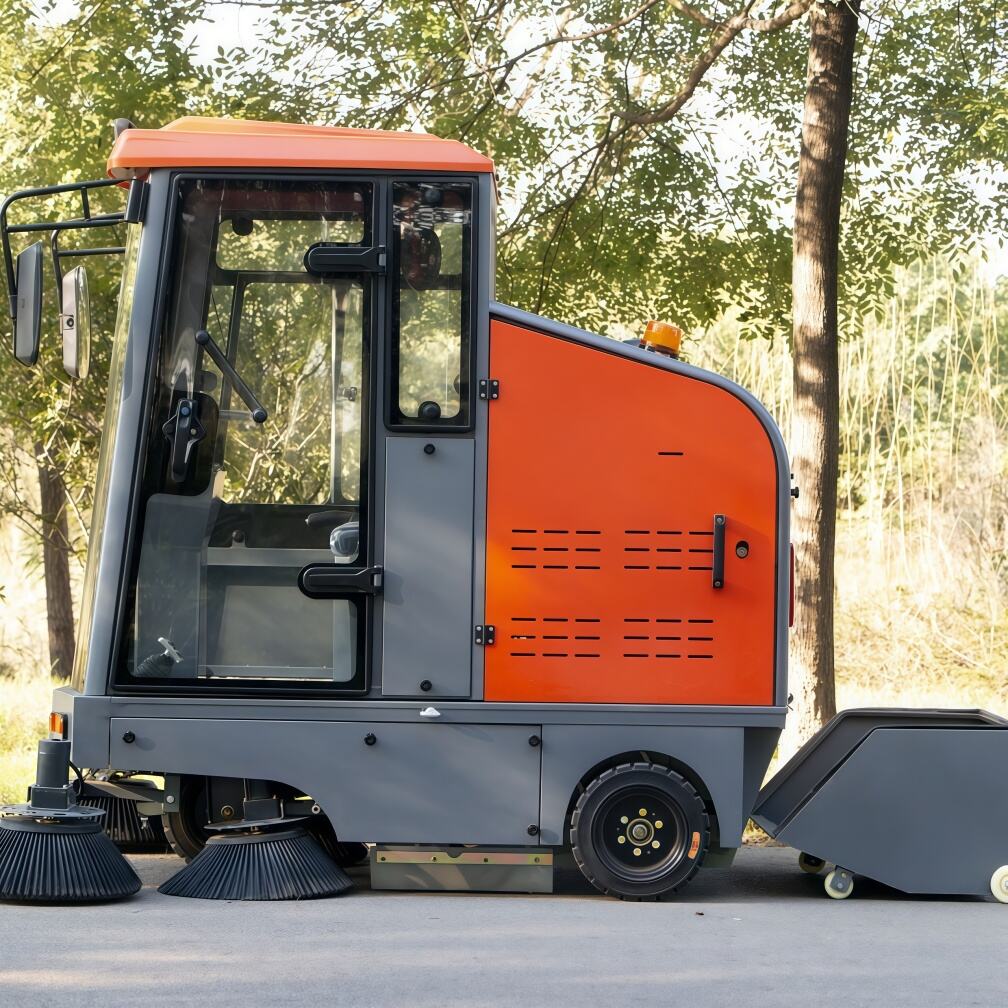
Road Sweeper Integration into Smart City Infrastructure
From Standalone Equipment to Connected Urban Nodes
Back in the day, road sweepers were just standalone machines doing their thing, but with smart city tech, they've become something much more interesting - basically data hubs on wheels. These newer models come packed with all sorts of sensors and GPS stuff, sending out around 200 different pieces of information every single minute. They track everything from how fast trash gets collected to what's happening with the hydraulic system, when brushes need replacing, and exactly where they are at any given moment. All this data goes straight to central control systems, which helps predict when parts might fail before they actually break down. According to some research from last year, this kind of proactive approach cuts unexpected breakdowns by roughly 30%. Instead of sticking to rigid cleaning schedules, these connected sweepers can now change course depending on current traffic jams, sudden weather changes, or even how worn down the roads look. What used to be simple cleaning equipment has turned into something that actively contributes to making cities smarter and more efficient.
Interoperability Standards: Enabling Seamless Data Exchange with Traffic, Weather, and Waste Systems
Smart cities really need standard communication protocols if they want their road sweepers to talk properly with all the other systems in town. MQTT and OPC UA are the big ones here, letting these machines connect safely across different parts of the city infrastructure. When integrated with traffic management networks, sweepers can actually change course around traffic jams based on what cameras and loop detectors show them in real-time. Before storms hit, weather services kick off special cleaning routines so streets don't get muddy after rain and storm drains stay clear. Waste management systems work hand in hand with bin level sensors too, making sure sweepers don't just run into garbage truck routes unnecessarily. According to last year's Urban Sustainability Index report, this kind of system coordination brings down unnecessary vehicle trips by roughly 20 something percent and saves about 17% on fuel costs for municipalities. The benefits go even further into air quality control. If PM2.5 sensors pick up high levels of particulate matter somewhere, sweepers will head straight there to suppress dust. What used to be regular maintenance now becomes actual environmental action right where it matters most.
Autonomous Road Sweeper Technology and AI-Driven Operations
Sensor Fusion Architecture: LiDAR, Cameras, and Ultrasonic Arrays for Real-Time Navigation
Today's self-driving street cleaners depend heavily on combining multiple sensors working together. LiDAR creates detailed three-dimensional pictures showing things like curbs, cars parked along roadsides, and other structures around them. At the same time, HD cameras spot lane lines, cracks in pavement surfaces, and different kinds of litter scattered across streets. For those slow movements close to pedestrian areas or construction zones, ultrasonic sensors help detect objects within just under two meters away. All these sensor signals get handled instantly by smart computers inside the vehicle itself. This allows the sweeper to know exactly where it is located down to the centimeter level, so it can keep cleaning non-stop even when weather gets bad with rain or fog rolling in, or during early morning hours with poor lighting conditions. The whole system refreshes what it sees about the surrounding environment every 0.06 seconds roughly, which means the machine reacts quickly to changes happening around it without needing any mapped out paths beforehand.
Data-Driven Fleet Management and Environmental Impact Optimization
Demand-Triggered Sweeping: Leveraging IoT Sensors and Pavement Condition Analytics
Road sweepers these days don't stick to fixed schedules anymore. They only kick into action when pavement sensors detect dirt buildup, traffic cameras spot mess accumulation, or local weather reports show conditions that might spread contaminants. This smart approach cuts down on wasted trips across town. Cities report about 18 percent less fuel burned each year and roughly 30 percent fewer miles driven overall according to the Urban Sustainability Index from 2023. What makes this system work so well? It focuses cleaning efforts where they're needed most. Think about those busy bus stops right after morning commute chaos or main streets that get dusty during strong winds. At the same time, it avoids going over roads that were just cleaned or aren't getting much traffic anyway. The result? Cleaner streets while saving money and resources.
PM2.5 Correlation Modeling for Predictive Route Planning and Air Quality Mitigation
By combining past data on PM2.5 levels with current readings, advanced analytics can predict where dust will accumulate over the next day or two based on factors like traffic patterns, road surfaces, wind directions, and ongoing construction work. Municipalities that implement these models send out their street sweepers ahead of time, particularly when dry weather and strong winds are forecasted, so they can tackle resuspended particles before air quality drops to dangerous levels. Research from several cities indicates that this method cuts down on PM2.5 pollution by around 22 percent on main roads during droughts. The cleaning routes also get adjusted to skip busy times when people are walking around and steer clear of areas near schools and other sensitive locations. What was once just regular maintenance now actually contributes directly to better public health outcomes for residents.
ROI and Scalability of Smart Road Sweeper Deployment
Putting smart road sweepers to work brings real returns on investment because they work better together in three main ways: automated processes, smarter decisions based on actual data, and fleets that can grow as needed. When cities switch from old-school manual control to AI coordination, they save money on things like paying extra for shifts, overtime hours, and having someone always watching over operations. Instead, workers get reassigned to check equipment, talk to residents about street conditions, and handle those tricky maintenance jobs nobody wants. The system grows naturally too. Most places start small, maybe testing in busy downtown areas or along bus routes first. Then they slowly add more coverage by sharing charging stations, managing all vehicles from one cloud platform, and teaching the AI systems together rather than separately. Real-world results back this up. Twelve medium-sized American cities saw around 30% less spending on fuel and repairs after about 18 months with these machines running full-time. Plus their emission numbers look good enough to earn carbon credits which helps pay down environmental fines. As cities expand, these smart sweepers keep working well without breaking the bank. Streets stay cleaner, air gets fresher, and city budgets don't have to balloon just to maintain basic services.
FAQ
Q: How do smart road sweepers contribute to a city's smart infrastructure?
A: Smart road sweepers are equipped with sensors and GPS devices, turning them into data hubs that provide real-time information used in predictive maintenance and operational adjustments, enhancing citywide efficiency.
Q: What technologies enable smart road sweepers to integrate with other urban systems?
A: Technologies such as MQTT and OPC UA facilitate the integration of road sweepers with city systems like traffic, weather, and waste management, enabling adaptable and efficient routing and operations.
Q: In what ways do autonomous sweepers function autonomously?
A: Autonomous sweepers use a combination of LiDAR, cameras, and ultrasonic sensors to navigate and clean urban environments efficiently and safely, even in dynamic conditions, without needing pre-mapped paths.
Q: How do smart sweepers affect a city's environmental goals?
A: By utilizing IoT sensors and PM2.5 modeling, smart sweepers optimize cleaning routes and schedules to effectively target pollutant hotspots, significantly reducing environmental impacts like air pollution.