

 EN
EN
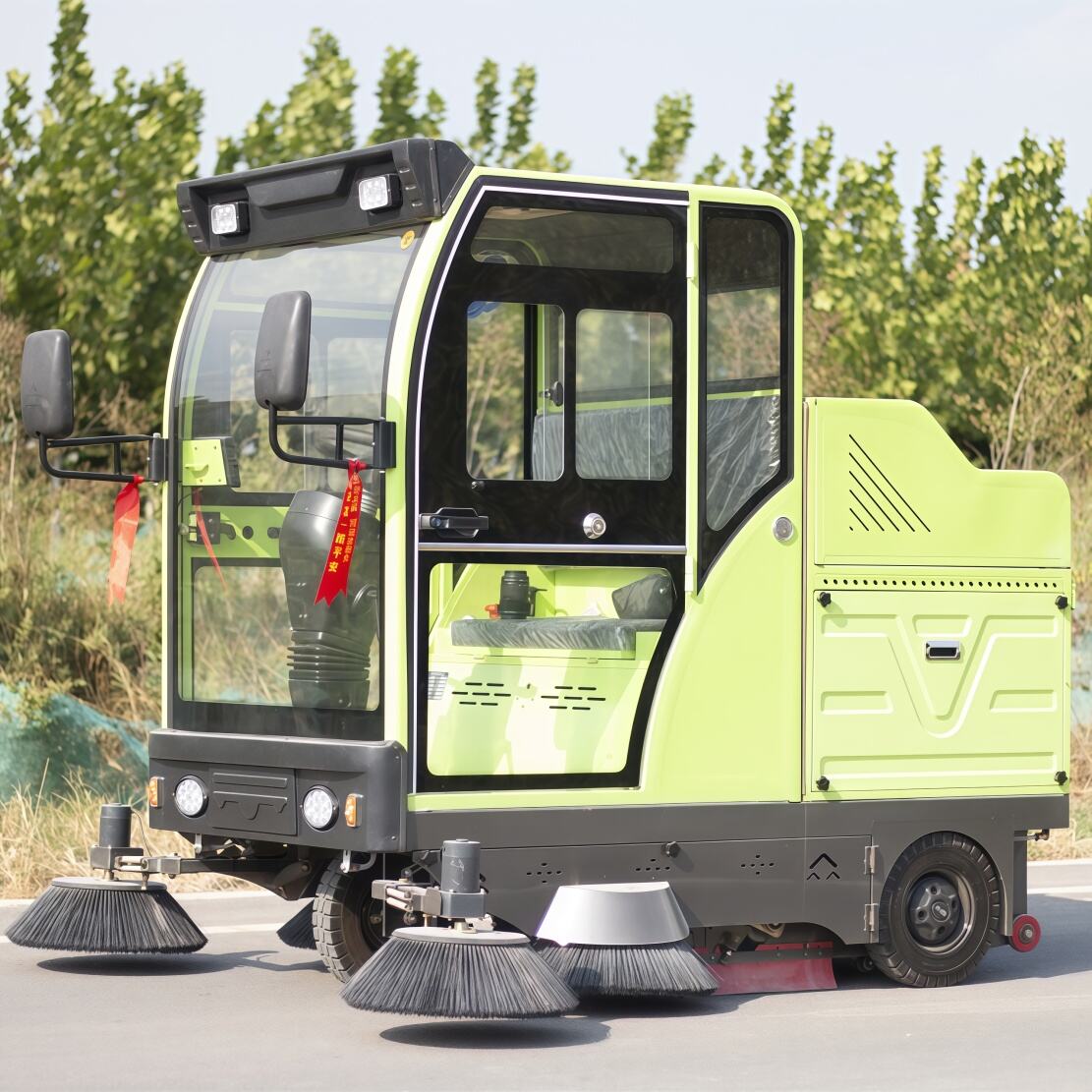
Mechanical Broom Sweepers: Best for Heavy Debris on Highways and Interstates
These robust units excel at clearing challenging materials from expansive road networks. Their mechanical action delivers unmatched debris-handling capabilities for demanding environments.
Handling rocks, gravel, and construction debris on large-road surfaces
Mechanical broom sweepers work by spinning big brushes that knock loose heavy stuff like rocks, gravel, old asphalt pieces, and construction junk. A conveyor then moves all that mess into the hopper for disposal. These machines really shine at places like factories, warehouses, and along highways where there's lots of rough, chunky debris lying around. The brushes can take a beating from all that grinding stuff, and since they're built with straightforward mechanical parts, these sweepers tend to run reliably without breaking down much. Operators can adjust how hard the brushes press against surfaces so they clean effectively without scratching up the pavement. When it comes to moving bigger items or oddly shaped debris, belt conveyor models beat out those older auger or fan systems hands down. And because these machines last longer between repairs, companies running them day after day save money on maintenance over time.
Removal efficiency on smooth, crowned, and pothole-prone asphalt—what real-world testing shows
The effectiveness of street sweeping changes quite a bit depending on what kind of road surface we're talking about. Smooth asphalt tends to be the best case scenario for mechanical sweepers, which can clear around 95% of debris according to lab tests. Things get a little trickier on crowned roads where efficiency drops to somewhere between 85 and 90 percent. Still, those curved road designs actually work in our favor by channeling litter right into the sweeper's path. When dealing with roads full of potholes, operators face real headaches. Field observations suggest only about 60 to 70% of trash gets picked up from these damaged surfaces because tiny bits just get stuck in all those cracks and crevices. To handle this problem, most operators slow down their machines and run over the same area several times. The stiffness of the bristles makes a difference too firmer brushes tend to grab at stubborn dirt better than softer ones. Looking at actual operation numbers, worn out brooms cut cleaning efficiency roughly 15% after about 500 hours of use. Regular maintenance and timely replacements help keep performance levels stable regardless of the road conditions.
Vacuum and Regenerative-Air Road Sweepers: Optimal for Fine Dust and PM10 Control
These systems excel at controlling hazardous particulate matter (PM10—particles ≤10 micrometers) through specialized airflow mechanisms.
Comparing PM10 capture rates under dry highway conditions
Regenerative air sweepers work differently from regular models because they have this closed loop system that both blasts away dirt and sucks it up at the same time. Tests show these machines can grab around 80% of PM10 particles on dry pavement surfaces when properly maintained. They actually perform better than old fashioned vacuum only sweepers, especially along busy highways where tiny dust particles tend to bounce back into the air again after being disturbed. What makes them so effective is how the air gets reused instead of just blowing straight out, which cuts down on emissions while keeping most particles contained throughout the entire sweep area. That's important for staying within those EPA air quality guidelines. Traditional vacuum sweepers spray water under pressure to keep dust down, but since their design lets air escape freely, lots of small particles still manage to get airborne again when moving fast over roads.
Water capacity (≥300 gal) and continuous operation requirements for large-road maintenance
For dust suppression work along long stretches of highway, getting at least a 300 gallon water tank makes all the difference. According to DOT field reports, crews working with smaller tanks end up covering about 30 to 40 percent less ground each day simply because they spend so much time stopping to refill. The regenerative air systems use way less water overall, usually between 20 and 50 gallons per hour since their closed system recirculates most of what's sprayed. Traditional vacuum sweepers need double that amount, around 60 to 100 gallons hourly, just to keep PM10 levels under control during operations. All these machines rely heavily on pressurized delivery setups to maintain proper moisture levels throughout those grueling eight hour days, particularly when working in desert areas where evaporation rates skyrocket. And don't forget about tank placement and quick connect fittings either. Without easy access points for refilling, maintenance crews can waste precious hours on routes longer than fifteen miles, which nobody wants when deadlines loom large.
Matching Road Sweeper Capabilities to Large-Road Surface Conditions
Selecting the right road sweeper requires matching equipment capabilities to specific surface conditions found on highways, interstates, and major arterial roads. Performance varies significantly based on pavement texture, debris composition, and environmental factors—making surface analysis critical before deployment. Consider these key operational relationships:
| Surface Condition | Debris Profile | Recommended System | Performance Benefit |
|---|---|---|---|
| Smooth asphalt | Fine dust/PM10 | Regenerative-air | 94% particulate capture (EPA 2023) |
| Crowned/pothole roads | Gravel/construction waste | Mechanical broom | 57% faster rock removal |
| Permeable pavements | Mixed urban debris | Hybrid vacuum-broom | Prevents drainage clogging |
| Grooved concrete | Compacted sediments | High-pressure vacuum | Cleans crevices 3× deeper |
When dealing with highways that see a lot of construction debris, mechanical brooms tend to be the better choice. Their spinning brushes actually lift out those stubborn bits of material that get stuck in the road surface something that regular suction systems just cant handle very well. On the flip side, regenerative air sweepers work wonders on smooth interstate roads where there are strict rules about controlling airborne particles. These machines really shine when paired with water sprays to keep down all that dusty stuff floating around after paving jobs. For surfaces like milled asphalt or porous concrete, going with vacuum assisted systems makes sense because they have those adjustable nozzles that stop dirt from getting kicked back up again while still keeping the road surface intact. Dont forget to check how high off the ground the sweeper sits and make sure the brush pressure is set right too. Getting these settings wrong can lead to damage on both the equipment itself and the actual pavement over time, which nobody wants to deal with.
Key Performance Specifications That Impact Operational Efficiency on Large Roads
Sweeping width (12+ ft), hopper capacity (8+ yd³), and max speed trade-offs for high-traffic corridors
Getting good results from road maintenance operations really comes down to three main specs for road sweepers: they need at least 12 feet of sweeping width, hopper capacities over 8 cubic yards, and properly set maximum speeds. When sweepers have wider paths, they can cover highway lanes much faster. We're talking around 40% fewer passes needed on busy roads which cuts both fuel burn and labor expenses significantly. The size of the hopper matters too because bigger ones mean less frequent dumping. Sweepers with 8 or more cubic yards actually cut down on how often they need to stop and empty waste by about half when covering 10 miles worth of road. That helps keep traffic flowing better. Speed is tricky though. Machines that go 35 mph or faster get through areas quicker but there's a catch. Some real world testing shows that going too fast actually makes them miss debris somewhere between 15 to 22 percent of the time. So what works best depends on where the work happens. Big construction sites with lots of dirt need those extra large hoppers, whereas city streets where traffic is always backed up usually see better results when operators focus more on getting efficient cleaning at reasonable speeds rather than racing across the pavement.
FAQ
What makes mechanical broom sweepers the best choice for highways?
Mechanical broom sweepers excel at clearing heavy debris like rocks, gravel, and construction junk due to their robust brushes and conveyor systems, making them ideal for rough surfaces in demanding environments.
How do regenerative-air road sweepers control fine dust and PM10?
Regenerative-air sweepers use a closed loop system to blast and simultaneously suck up dirt, capturing around 80% of PM10 particles under optimal conditions, utilizing less water and effectively meeting EPA air quality guidelines.
What factors should be considered when choosing a road sweeper?
The choice of a road sweeper should be based on matching its capabilities with the specific road surface conditions, debris type, and operational requirements for optimal performance and efficiency.
How does hopper size impact sweeping efficiency?
Larger hopper sizes reduce the frequency of stops needed for emptying debris, thereby maximizing efficiency and reducing the time required to cover extensive road stretches.
Table of Contents
- Mechanical Broom Sweepers: Best for Heavy Debris on Highways and Interstates
- Vacuum and Regenerative-Air Road Sweepers: Optimal for Fine Dust and PM10 Control
- Matching Road Sweeper Capabilities to Large-Road Surface Conditions
- Key Performance Specifications That Impact Operational Efficiency on Large Roads
- FAQ