

 EN
EN
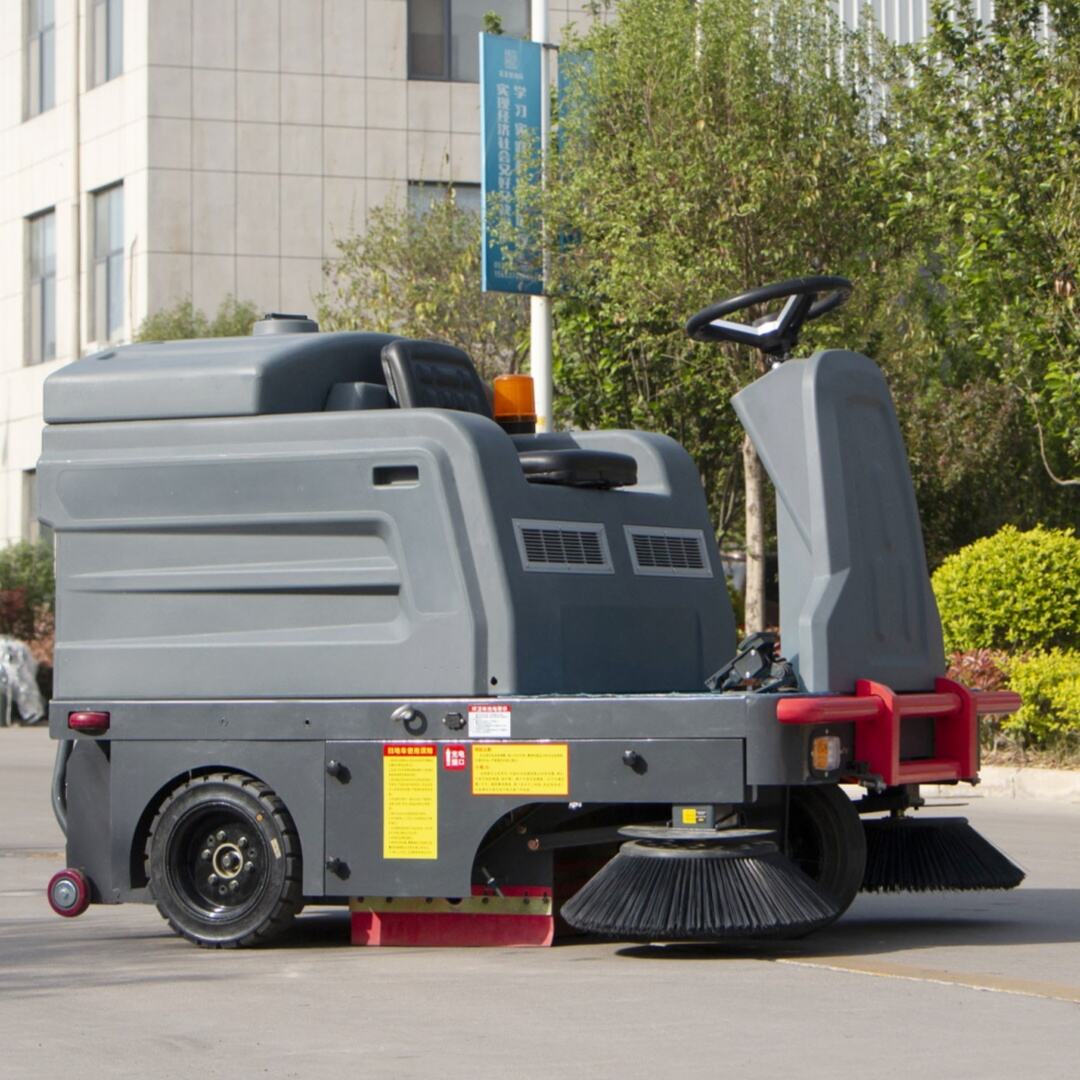
Smart Route Optimization for Electric Road Sweepers
Many electric road sweepers struggle with what we call range anxiety these days. Their batteries just don't last long enough to cover all the ground they need to clean efficiently. That's where dynamic GPS routing comes into play. The system keeps changing course as conditions change throughout the day looking at things like how much charge remains in the battery, current traffic situations, and even whether there are hills ahead. What happens? Less wasted driving around town, so energy stays in the tank longer and sweepers can actually finish their workday routes without having to stop for unexpected charging breaks. Take steep roads or heavy traffic for example. When the sweeper avoids those trouble spots, it saves precious power that would otherwise be drained away. Cities that have implemented this tech are seeing service times stretch about 20% longer on average, which means cleaner streets and lower electricity bills at the same time. Plus, the software knows where the messiest parts of town are located and focuses extra attention there, making sure resources get used where they matter most without wasting effort elsewhere.
Addressing Range Anxiety Through Dynamic GPS Routing
The problem of range anxiety with electric road sweepers comes down to limited battery capacity that restricts how far they can clean before needing a recharge. Smart GPS systems help tackle this issue by constantly adjusting routes based on real time information about traffic conditions, road slopes, and remaining battery power. These systems cut out wasteful driving patterns like going back and forth over the same streets or struggling up hills when there's no need. During rush hour, sweepers stay clear of busy roads where they would just sit idling and draining their batteries. When there's road work or flooding ahead, the system finds alternative paths so crews don't waste precious battery juice getting stuck. Research indicates these smarter routes typically save between 15% to 20% in energy costs, which means cleaner streets without having to build more charging stations everywhere. Cities get better coverage overall, fewer service interruptions, and spend less money running these electric machines, making them a practical choice for keeping urban areas looking good.
AI-Driven Telematics: Integrating Traffic, Terrain, and Battery State
Telematics powered by artificial intelligence brings together live traffic information, detailed topographical maps, and precise battery data such as state of charge (SOC) and state of health (SOH) to create routes that save energy. The machine learning behind these systems can actually figure out how things like heavy stop and go traffic or hills affect battery usage, so it will suggest alternative paths that are smoother and quicker. What this means is less stress on batteries but more area cleaned between charges. Pair this with constantly updating GPS directions and suddenly route planning isn't just about setting a schedule anymore. Instead, it becomes something that adjusts itself based on what's happening right now. Fleet managers have reported around 10 to 15 percent savings on energy bills plus significantly fewer times when vehicles break down unexpectedly.
Battery-Centric Charging Infrastructure and Scheduling
Mitigating Unplanned Downtime with Real-Time Battery Health Monitoring
Keeping an eye on batteries ahead of time stops those nasty surprises when road sweepers break down unexpectedly. Modern systems track important stuff like state of charge (SOC) and state of health (SOH) through those little IoT sensors we've been hearing so much about lately. What these gadgets actually do is watch out for changes in temperature, how many times the battery has charged up, whether voltage stays steady, and if there's anything odd going on with internal resistance. When something looks off, like maybe a drop of around 15% in SOH, it sends out warnings automatically. That gives techs plenty of time to swap out faulty parts while everything else is still running smoothly. Hooking all this information into existing fleet management software means operators know exactly when batteries might get dangerously low, usually keeping them above 20% throughout work hours so nobody gets stuck halfway through cleaning streets. Cities that have adopted these smart monitoring techniques are seeing their fleets stay operational about 98% of the time now. Instead of just being another line item in the budget, good battery care has become something that actually keeps operations rolling along without interruptions.
Designing Scalable Charging Networks for Municipal Road Sweeper Depots
Strategic charging infrastructure balances current needs with future fleet expansion. Key considerations include:
- Power tier optimization: Deploying Level 2 AC chargers for overnight replenishment (8–10 hours) and DC fast chargers (30–45 minutes) for emergency top-ups
- Grid load management: Smart systems stagger charging during off-peak hours, cutting electricity costs by 22% U.S. Department of Energy, 2023
- Modular scalability: Installing 25% more charging ports than current fleet size accommodates growth without retrofits
Depot layouts must prioritize ventilation and accessibility, with 30% space reserved for battery-swapping stations. Solar canopy integration further reduces long-term operational expenses while supporting sustainability goals.
Predictive Maintenance for Electric Road Sweeper Reliability
Leveraging IoT Sensors to Detect Early Wear in Brush, Drive, and Power Systems
Using predictive maintenance can cut down on unexpected downtime for electric road sweepers by around 30 to maybe even 50 percent when we keep an eye on those important parts all the time. The smart sensors built right into these machines watch out for weird changes in brush pressure, strange vibrations coming from the drive motors, and temperature shifts in the batteries. They spot signs of wear long before anything actually breaks down. What this means is that maintenance teams can replace worn out parts during their regular schedule instead of dealing with expensive breakdowns right in the middle of a work shift. All that real time information gets fed into some pretty clever computer programs that predict how long different components will last. This helps city garages manage their stock of spare parts better and send technicians where they're needed most. Cities that have started using these sensor based diagnostic systems are seeing about a quarter less in yearly maintenance costs per sweeper, plus they manage to keep almost all their sweeping fleet running smoothly at 99% availability rate during those busy cleaning periods when streets need extra attention.
Strategic Fleet Electrification: TCO Analysis and Transition Planning
Moving to electric road sweeper fleets needs a good look at total cost of ownership before spending big bucks upfront. The truth is, these vehicles and their supporting infrastructure typically cost 30 to 50 percent more than regular ones. But over time, folks save money because they spend less on energy and maintenance. Most places see a break even point somewhere between three and five years after switching. Many cities start small with pilot projects first. This gives them actual data about how often the sweepers need charging, what routes work best, and how batteries hold up over time. Real world experience helps refine those cost calculations since electricity prices vary so much from one area to another, plus there are different incentives available depending on where you live. Getting this right means matching up when charging stations get built with when new electric sweepers arrive, plus making sure staff knows how to maintain these newer machines properly. Cities like San Francisco and Chicago have seen around 22% savings across the life of each sweeper when factoring in carbon credit rebates and not having to deal with unpredictable fuel prices anymore. What was once just something regulators wanted has become a smart financial move for many municipalities.
FAQ
What is range anxiety in electric road sweepers?
Range anxiety refers to the concern that electric road sweepers may not have enough battery life to complete their cleaning routes efficiently before needing a recharge.
How does dynamic GPS routing help electric road sweepers?
Dynamic GPS routing assists electric road sweepers by adjusting routes in real-time based on factors such as battery charge, traffic situations, and road terrain, helping to conserve energy and extend service times.
What are the benefits of AI-driven telematics for road sweepers?
AI-driven telematics integrate live traffic information, terrain data, and battery state to create energy-saving routes, lessen battery stress, and improve the efficiency of road sweepers.
How does predictive maintenance reduce downtime for electric road sweepers?
Predictive maintenance utilizes IoT sensors to monitor key components, detecting early signs of wear or faults, allowing maintenance teams to conduct timely repairs and avoid unexpected breakdowns.
What are the considerations for designing scalable charging networks for municipal fleets?
Designing scalable charging networks involves power tier optimization, grid load management, and modular scalability, ensuring future fleet expansion and operational efficiency.
Table of Contents
- Smart Route Optimization for Electric Road Sweepers
- Predictive Maintenance for Electric Road Sweeper Reliability
- Strategic Fleet Electrification: TCO Analysis and Transition Planning
-
FAQ
- What is range anxiety in electric road sweepers?
- How does dynamic GPS routing help electric road sweepers?
- What are the benefits of AI-driven telematics for road sweepers?
- How does predictive maintenance reduce downtime for electric road sweepers?
- What are the considerations for designing scalable charging networks for municipal fleets?