

 EN
EN
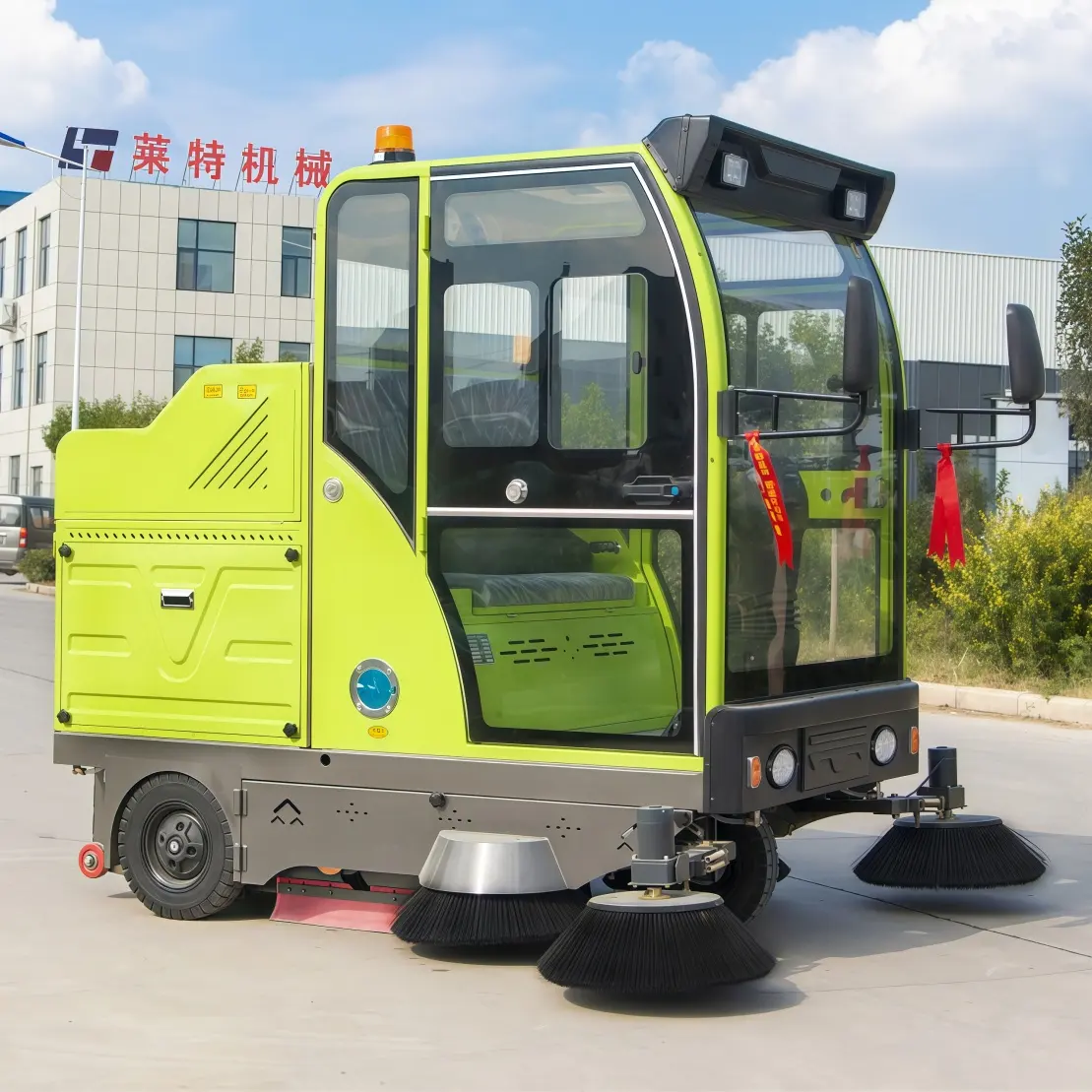
Optimize Daily Operation about Road Sweeper for Maximum Battery Efficiency
Electric road sweeper operators can significantly extend battery lifespan by aligning daily practices with real-world demands. Strategic adjustments to speed, brush pressure, and debris collection settings directly impact energy consumption and reduce unnecessary strain on battery systems.
Match Speed and Load Settings to Real-World Sweeping Conditions
Tweaking machine settings according to how much dirt is around and what kind of surface we're dealing with helps save energy. When working on clean pavement areas, slowing down those brushes by about a third and turning down the suction still gets things done just fine while cutting back on power consumption. Construction zones covered in rough gravel might need full power settings, but only when actually moving across the ground. Don't just leave everything cranked up all the time. Running machines too hard for simple jobs drains batteries faster than needed. Machines that can adjust themselves automatically tend to use just enough energy for whatever job they're handling at the moment.
Eliminate Idle Time and Avoid Partial-Load Inefficiencies
Batteries in road sweepers tend to wear out quickest when they sit idle for long periods or run on low power all day. Just leaving the machine running while stopped at intersections or waiting to dump debris can drain up to 15 to 20 percent of battery life every hour with nothing accomplished. Operators should shut down completely whenever possible during these situations. Running the sweeper at only 20 to 40 percent capacity is another big problem, especially on days with just light rain or minimal trash around. This partial workload creates way too much heat inside the motor controllers over time. For better battery health, planners need to design routes that allow for longer uninterrupted sweeping sessions instead of constant starting and stopping. Those repeated power spikes really hurt battery longevity. Getting more work done in each session means fewer overall stress cycles on the battery pack, which keeps everything working properly for longer.
Control Environmental and Storage Conditions for Road Sweeper Batteries
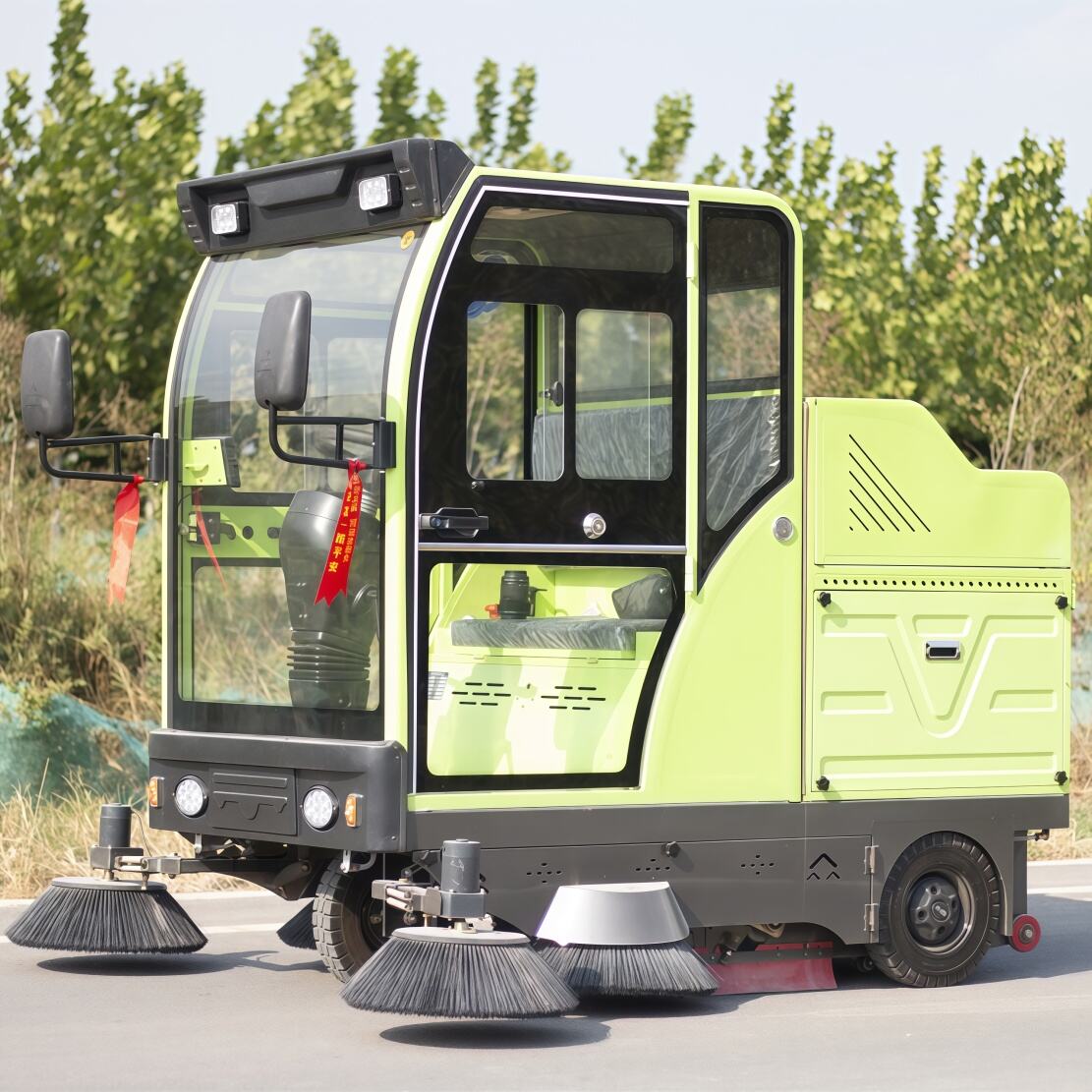
Mitigate Temperature Extremes: Cold vs. Heat Impact on Lithium and Lead-Acid Road Sweeper Batteries
Temperature extremes critically compromise the efficiency and longevity of both lithium-ion and lead-acid batteries in industrial sweepers. Cold environments below 0°C (32°F) increase internal resistance, reducing discharge capacity by 20–30% in lead-acid units and 15–25% in lithium variants. Conversely, storage or operation above 40°C (104°F) accelerates chemical degradation:
| Battery Type | Heat Impact (35°C+) | Cold Impact (0°C–) |
|---|---|---|
| Lead-Acid | 2× faster sulfation | 30% capacity loss |
| Lithium-Ion | 40% faster capacity fade | Limited discharge rate |
When it gets hot out, flooded lead acid batteries tend to lose their electrolyte faster through evaporation. Lithium batteries face different problems when temps climb past 60 degrees Celsius, where they can experience dangerous thermal runaway conditions. On the flip side, cold weather creates another issue for lithium batteries called lithium plating, which basically means the battery cells start forming deposits that shorten how long they last overall. To combat these issues, operators have found success by storing equipment in buildings that maintain stable temperatures between around 15 to 25 degrees Celsius. Wrapping batteries with special thermal materials helps keep them warm enough during winter months when operating. And importantly, nobody should try charging a battery until it reaches at least 10 degrees Celsius first. Following these simple steps typically adds about three extra years of service life to the batteries and saves money by avoiding those frustrating situations where capacity just disappears forever from electric road sweepers in municipal fleets.
Monitor and Act on Battery Health Data for Proactive Road Sweeper Maintenance
Use SoC and SoH Metrics to Detect Degradation and Schedule Interventions
Keeping track of both State of Charge (SoC) and State of Health (SoH) helps fleet managers spot problems with batteries before they become serious issues. The SoC basically tells us how much power is available right now when the vehicle is running. Meanwhile, SoH gives an idea about how well the battery holds its charge over time compared to what it was originally capable of. This makes SoH probably the best way to tell if a battery is getting old. When we connect these measurements to Internet of Things sensors, interesting things start showing up. For instance, strange patterns in SoC readings often mean someone let the battery drain too far, which wears it down faster. If SoH falls under 80%, that usually means trouble is coming soon for battery performance. And those weird charging patterns? They tend to indicate either overheating problems or cells inside the battery aren't working properly together.
Operators leveraging this data reduce unplanned downtime by 32% and extend average battery lifespan by 2.3 years, according to the Industrial Energy Systems Journal (2023). A three-tier response protocol ensures timely, targeted action:
| Metric Threshold | Action | Impact |
|---|---|---|
| SoH < 90% | Diagnostic charge cycle | Identifies sulfation or stratification |
| SoC drops > 15%/hr | Load reduction | Prevents deep discharge |
| 5+ charge failures/week | Module replacement | Avoids cascading failures |
Scheduling maintenance based on these metrics—not calendar-based intervals—cuts annual battery replacement costs by $740,000 for mid-sized fleets, per Ponemon Institute findings (2023).
FAQ
What impact do temperature extremes have on road sweeper batteries?
Temperature extremes compromise battery efficiency and longevity by increasing internal resistance in cold weather and accelerating chemical degradation in high temperatures.
How can fleet managers use battery health data effectively?
Fleet managers can use State of Charge (SoC) and State of Health (SoH) metrics to detect degradation early, schedule proactive interventions, and reduce unplanned downtime.
How can road sweeper operators optimize battery efficiency?
Operators can optimize battery efficiency by adjusting machine settings based on real-world sweeping conditions, eliminating idle time, and ensuring uninterrupted sweeping sessions to reduce stress cycles on the battery pack.