

 EN
EN
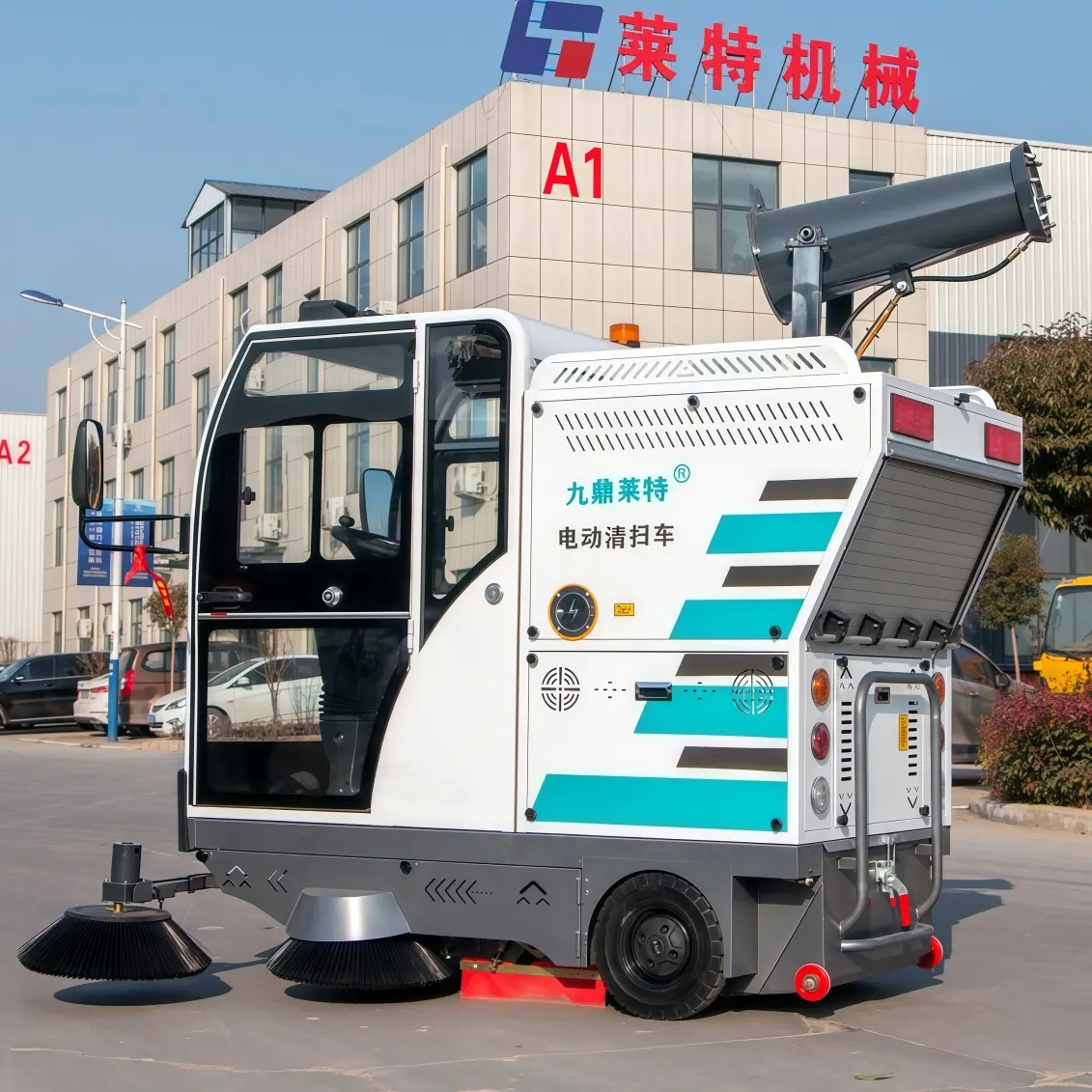
Electric and Hybrid Powertrains for Sustainable Road Sweeper Operations
Advanced battery systems enabling full-shift, zero-emission road sweeper performance
Road sweepers today are moving away from old fashioned diesel engines and instead using high density lithium ion batteries so they can run clean through entire work days. These battery packs give steady power to all the important parts of the sweeper including movement, suction, and those big brushes that pick up debris without any smelly exhaust coming out. Most models can be charged pretty quickly too, which means operators don't have to wait long between jobs when taking their lunch break or switching shifts. Cities that switch to these electric sweepers cut down on pollution completely since there's no diesel burning going on. Plus, these machines are much quieter than their older counterparts, about half as loud actually, which lets crews clean streets at night without disturbing people living nearby. Some of the latest battery tech even lasts around eight hours before needing a recharge, something that works well given how bumpy and rough the roads get during regular sweeping operations.
Regenerative air sweeping and energy recovery integration with electric drivetrains
The electric powertrain opens up all sorts of possibilities for recycling energy that would otherwise go to waste. When brakes are applied, regenerative systems grab hold of that forward motion and turn it back into battery power. Some models also feature clever ductwork that siphons off extra air pressure from the main fan system and feeds it to secondary components instead of letting it escape. This two-pronged recovery method can stretch out how far these vehicles travel before needing a recharge by roughly 18%, which means fewer stops at charging stations. Getting rid of those bulky hydraulic systems cuts down on both maintenance headaches and wasted energy. Throw in intelligent software that knows exactly when to allocate power between moving the vehicle and running its cleaning equipment, and we're looking at electric road sweepers that eat up about 30% less energy compared to their hybrid counterparts, especially during those constant start-stop cycles typical in city traffic conditions.
Smart Telematics and Automation in Modern Road Sweeper Fleets
IoT-enabled remote monitoring, diagnostics, and fleet-wide road sweeper optimization
Modern road sweepers now come equipped with IoT sensors that send all sorts of operational info like engine load, fuel usage, and brush pressure readings straight to central dashboards. Fleet managers can spot potential problems long before they become actual breakdowns, which cuts down on unexpected downtime around 22% according to what the industry reports show. Looking at how different machines perform in real time helps operators tweak their cleaning schedules and where resources go. This means less wasted fuel and money spent on labor because decisions are backed by actual data rather than guesswork. Take for example when telematics systems point out equipment sitting idle most of the day these can simply get moved to areas needing more attention. The result? Fleets run better overall, sometimes improving efficiency by as much as 30% without needing any extra vehicles.
GPS-guided route planning and semi-autonomous navigation for precision sweeping
Modern GPS tech helps figure out the best routes for street cleaners based on where trash tends to pile up over time and how traffic moves around town. This cuts down on going back over the same spots multiple times and saves fuel when the truck just sits there idling. The semi-auto navigation system gives operators a hand keeping those gutters clean even when visibility is poor, working well at about 15 km/h. Smart algorithms look at what the LiDAR sees plus camera footage to tweak brush speed and suction strength whenever they hit thick piles of leaves or leftover construction stuff. Tests done in real streets found that just optimizing these routes can cut emissions by nearly 20%, though some places report closer to 18%. Coverage stays pretty consistent too, hitting around 97% which matters a lot for meeting city standards. All this means fewer mistakes needing fixes later on, so one person can handle all the work that used to take two trucks doing separate runs.
AI-Driven Intelligence for Predictive Maintenance and Adaptive Sweeping
Machine learning models analyzing sensor data to forecast road sweeper component failures
Today's road sweepers are starting to use smart predictive maintenance systems powered by artificial intelligence. These systems look at all sorts of sensor information as it comes in, things like how parts vibrate, changes in hydraulic pressure, and temperature readings across different components. The AI then compares this new data against what happened in the past using complex algorithms. This helps spot small problems that might signal worn out parts such as brush motors or issues with the filters long before anything breaks down completely. According to what most experts say, companies adopting this kind of system see around half as much unexpected downtime and spend about 30 percent less on maintenance overall. What makes these systems really valuable is their ability to learn and get better over time. Fleet managers can plan for repairs when traffic isn't so heavy and keep track of spare parts more efficiently, which saves money in the long run.
Real-time debris classification and adaptive suction/brush control using computer vision
Modern road sweepers come equipped with onboard computer vision that can sort through different kinds of debris ranging from tiny grains of sand all the way up to big chunks of gravel thanks to camera systems paired with image recognition software. As soon as the sweeper spots what kind of stuff is on the ground, it makes immediate changes to how hard it sucks up debris and how fast those brushes spin around, so everything gets cleaned properly no matter what's lying there. Take wet leaves for instance. When the sweeper sees them, it actually cranks up the vacuum power but slows down the brush action just enough to keep things from getting stuck inside the machine. These smart adjustments have been shown to boost cleaning results by about 35 percent and they help parts last longer since nothing wears out prematurely. Plus, these machines create detailed reports showing exactly what materials were collected during each run, which city workers find really helpful when planning their waste disposal strategies.
FAQ Section
How long can electric road sweepers operate before needing a recharge?
Most electric road sweepers can last around eight hours on a single charge, making them suitable for entire work days.
How do regenerative systems improve sweepers' energy efficiency?
Regenerative systems capture energy during braking and air sweeping processes, converting it back to battery power, increasing efficiency by approximately 18%.
What role does IoT play in modern road sweeper management?
IoT sensors collect operational data, aiding fleet managers in anticipating potential issues and optimizing sweeper deployment, reducing unexpected downtime by about 22%.
How does GPS technology enhance road sweeping?
GPS tech helps in planning optimal routes based on trash accumulation and traffic patterns, reducing redundant cleaning and fuel wastage.
What is predictive maintenance?
Predictive maintenance involves using AI to analyze sensor data and forecast component failures, which significantly reduces unexpected downtime and maintenance costs.