

 EN
EN
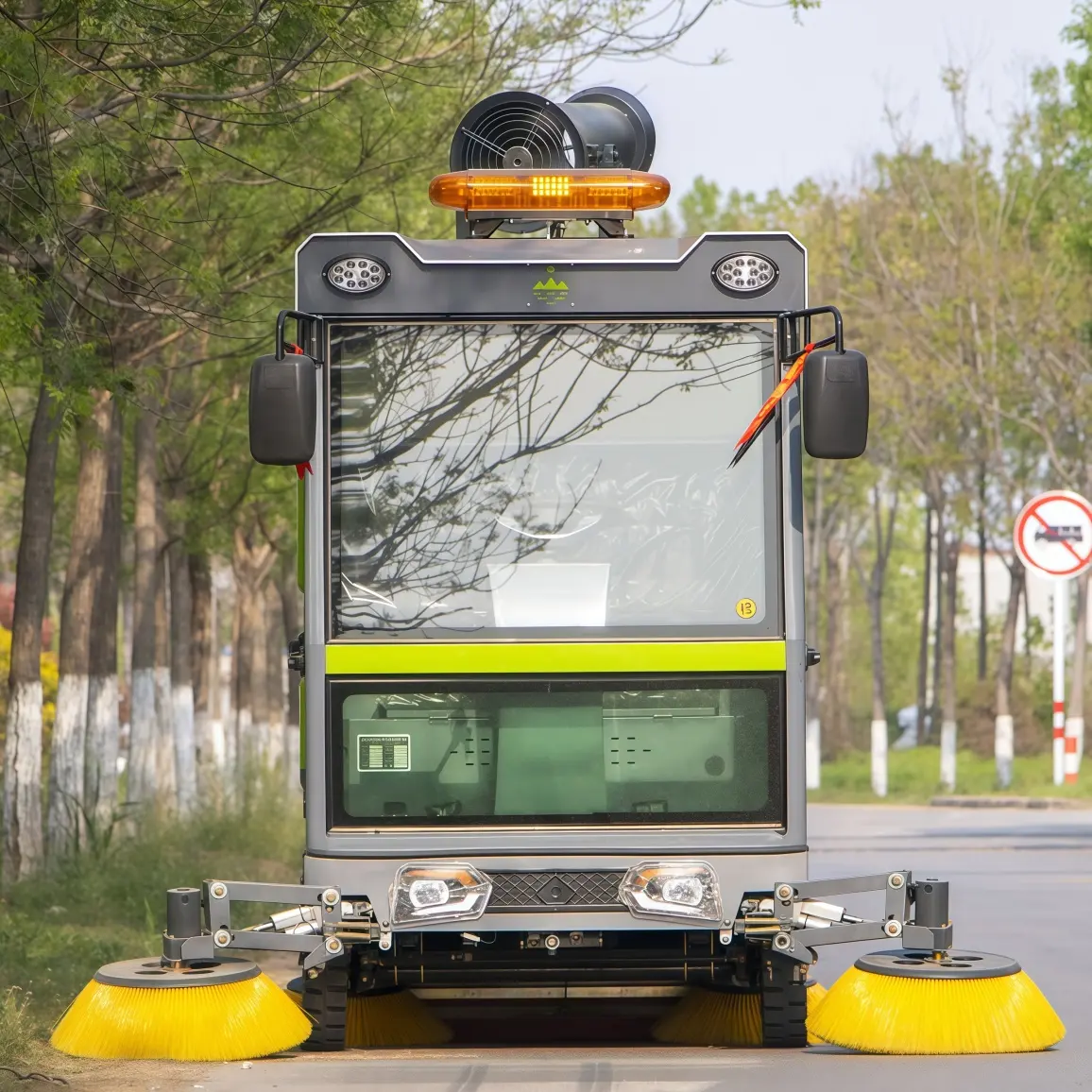
Core Brush Systems for Optimal Road Sweeper Performance
Main, Gutter, Strip, Tube, and Wafer Brooms for Targeted Cleaning
Specialized brush configurations address distinct surface challenges. The main broom handles broad pavement areas through counter-rotating action, while articulated gutter brooms extend beyond the chassis to sweep curbs and edges. Narrow strip brooms clean bike lanes and textured surfaces with precision; tube brooms access drainage channels; and ultra-thin wafer brooms remove debris from expansion joints. This modular approach enables operators to switch configurations in minutes—adapting seamlessly to urban streets, industrial sites, or construction zones without replacing equipment.
Brush Material Selection: Nylon, Steel Wire, Polypropylene, and Hybrid Blends
Material choice directly impacts debris removal efficiency, surface protection, and long-term operating costs.
| Material | Best For | Wear Resistance | Limitations |
|---|---|---|---|
| Polypropylene | General street sweeping | High | Limited heavy debris |
| Steel Wire | Gravel, construction sites | Extreme | Not for paved surfaces |
| Nylon | Sensitive flooring | Moderate | Lower durability |
| Hybrid Blends | Versatile applications | Customized | Higher cost |
Steel-reinforced polypropylene hybrids dominate municipal fleets, delivering 40% longer service life than standard polymers when handling mixed debris like gravel, leaves, and sand. Nylon variants suit indoor facilities where floor protection is critical, while all-steel configurations remain essential for unpaved terrain. Operators should match bristle hardness to surface abrasiveness—softer materials preserve delicate pavers but wear faster on asphalt.
Dust Suppression and Debris Handling Upgrades for Road Sweeper Efficiency
Water-Based, Fogging, and Chemical-Free Dust Suppression Solutions
Effective dust control is critical during road sweeping operations. Water-based systems remain the industry standard, using calibrated nozzles to dampen debris before pickup. Fogging technology enhances suppression by generating ultra-fine droplets that bind airborne particles more efficiently than conventional spray. Chemical-free alternatives incorporate closed-loop water recirculation systems, conserving approximately 70% of water compared to traditional setups—reducing consumption without compromising air quality compliance or visibility.
High-Capacity Hopper Extensions and Quick-Empty Mechanisms
Debris handling upgrades directly impact operational productivity. High-capacity hopper extensions increase storage volume by up to 40%, enabling longer uninterrupted cleaning cycles. Quick-empty mechanisms use hydraulic power to discharge loads in under 90 seconds—a 30–45% reduction in downtime per cycle. Standardized quick-attach interfaces ensure cross-model compatibility, while reinforced steel construction resists corrosion from abrasive materials like sand and grit. Together, these features maximize debris throughput and minimize service interruptions.
Specialized Road Sweeper Accessories for Enhanced Functionality
Magnetic Bars and Ferrous Debris Recovery Systems
Magnetic bar accessories significantly enhance road sweeper functionality by targeting metallic waste that conventional brushes miss. Ferrous debris recovery systems deploy powerful magnets beneath the chassis to extract nails, screws, and metal fragments—common hazards in construction zones or industrial parks that cause tire damage or environmental contamination. Passive magnetic bars offer maintenance-free collection for routine operations, while electromagnets enable controlled drop-off during intensive cleanup. Integrating these systems reduces site rework by 18% and minimizes manual retrieval risks, improving safety compliance and operational efficiency without modifying core sweeper mechanics.
Ensuring Compatibility and Long-Term Value of Road Sweeper Upgrades
Hydraulic, Mechanical, and Quick-Attach Integration Standards
Compatibility begins with verifying your sweeper’s hydraulic flow rates (typically 15–25 GPM) and mechanical mounting interfaces. Mismatched connections can reduce efficiency by 30% and accelerate component wear. For modern fleets, standardized QAS (Quick-Attach Systems) enable tool-free accessory swaps in under 90 seconds. Prioritize upgrades adhering to ISO 16028 hydraulic coupler specifications and SAE J2513 mounting dimensions to prevent operational failures.
| Integration Type | Key Metric | Compliance Standard | Deployment Time |
|---|---|---|---|
| Hydraulic | Flow Rate (GPM) | ISO 16028 | 15–45 min |
| Mechanical | Mounting Force | SAE J2513 | 20–60 min |
| Quick-Attach | Coupling Tolerance | ISO 15143 | <2 min |
Lifecycle Support: Warranty Alignment, Serviceability, and Retrofit Viability
Extend equipment lifespan by ensuring upgrades don’t void existing warranties—73% of fleet managers cite this as a top concern. Opt for retrofits with field-replaceable components and OEM-backed technical documentation. Modular designs allow incremental improvements: adding debris sensors to older sweepers cuts maintenance costs by 18%. Verify service network coverage for high-wear parts like brush motors and filtration seals to minimize repair downtime. This strategy preserves residual value while adapting to evolving municipal cleaning requirements.
FAQ
What are the key types of brushes used in road sweepers?
Road sweepers typically use main brooms, gutter brooms, strip brooms, tube brooms, and wafer brooms to handle various surfaces, including pavements, curbs, bike lanes, and expansion joints.
Which brush material should I use for sensitive flooring?
Nylon is the best choice for sensitive flooring due to its moderate wear resistance and ability to protect delicate surfaces.
How can dust suppression be optimized in road sweepers?
Implementing water-based or fogging systems and chemical-free alternatives with closed-loop recirculation can effectively control dust and reduce water consumption.
What features improve the debris handling capacity of road sweepers?
High-capacity hopper extensions and quick-empty mechanisms can increase cleaning cycle durations and reduce downtime, improving productivity.
Why are magnetic bars useful in road sweepers?
Magnetic bars and ferrous debris recovery systems effectively remove metallic waste, improving safety and reducing the risk of damage to tires and equipment.
How do I ensure compatibility of upgrades with my road sweeper?
Verify your equipment's hydraulic flow rates, mounting interfaces, and use standardized Quick-Attach Systems adhering to ISO or SAE specifications for seamless integration.
How do I maintain the long-term value of my road sweeper?
To ensure long-term value, verify that upgrades don't void warranties, choose retrofits with replaceable components, prioritize OEM-backed products, and ensure access to service networks for high-wear parts.
Table of Contents
- Core Brush Systems for Optimal Road Sweeper Performance
- Dust Suppression and Debris Handling Upgrades for Road Sweeper Efficiency
- Specialized Road Sweeper Accessories for Enhanced Functionality
- Ensuring Compatibility and Long-Term Value of Road Sweeper Upgrades
-
FAQ
- What are the key types of brushes used in road sweepers?
- Which brush material should I use for sensitive flooring?
- How can dust suppression be optimized in road sweepers?
- What features improve the debris handling capacity of road sweepers?
- Why are magnetic bars useful in road sweepers?
- How do I ensure compatibility of upgrades with my road sweeper?
- How do I maintain the long-term value of my road sweeper?