

 EN
EN
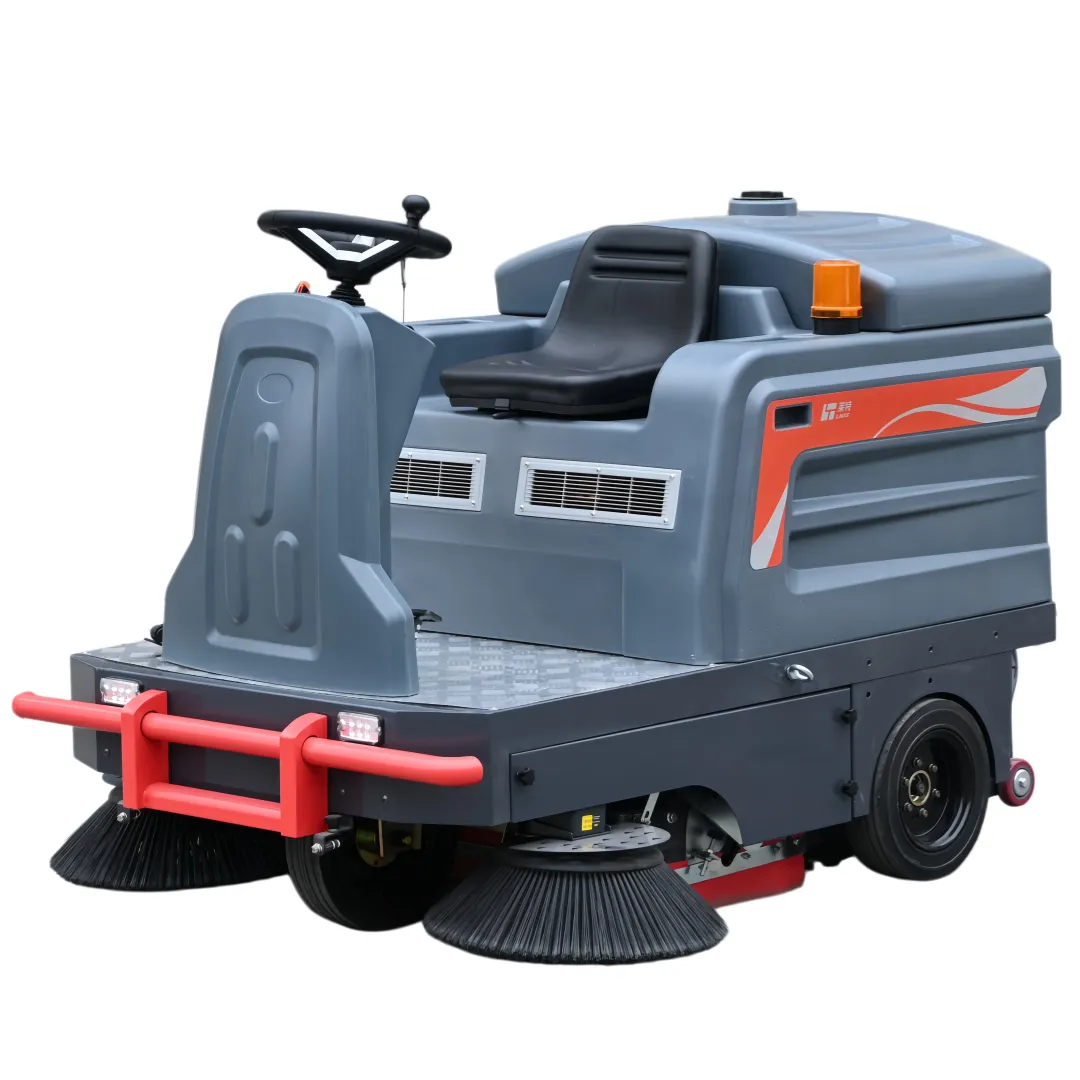
Why Road Sweepers Need Water Recycling Systems
Road sweepers traditionally require large volumes of water to suppress dust and remove debris effectively. This high water consumption poses significant challenges in urban settings, where freshwater resources are increasingly scarce. Without recycling systems, these machines continuously draw from municipal supplies—straining local water infrastructure and undermining sustainability commitments. Water recycling technology addresses this inefficiency by treating and reusing water within the sweeper’s operational cycle. Modern systems can reduce freshwater demand by up to 62% per machine, according to 2023 data from the European Environment Agency. Beyond conservation, they prevent contaminated runoff from entering storm drains, significantly lowering discharges of total suspended solids (TSS), heavy metals, and hydrocarbons into waterways—a critical advantage for municipalities under drought restrictions or tightening stormwater regulations.
How Road Sweeper Water Recycling Systems Work: Core Components and Design Logic
Modern road sweeper water recycling systems transform conventional cleaning into a closed-loop operation through three integrated stages. This systematic approach minimizes freshwater consumption while maintaining cleaning efficacy and regulatory compliance.
Collection: Gutter-suction integration and runoff capture geometry
Specialized nozzles spray water to suppress dust during sweeping. Vacuum systems then immediately capture this contaminated runoff—along with debris—through optimized gutter geometries. Angled collection channels direct flow toward centralized suction points, maximizing recovery efficiency and minimizing spillage during motion.
Filtration: Multi-stage treatment for dust-laden water (sedimentation → cartridge → optional UV)
Recovered water first enters sedimentation tanks, where coarse particles settle out by gravity. It then passes through multi-layer cartridge filters that remove silt, fine particulates, and organic matter. For municipalities managing biological contamination risks—such as those near hospitals or food-processing zones—ultraviolet (UV) disinfection provides optional tertiary treatment. This staged purification ensures only cleaned water re-enters the spray circuit without compromising system reliability.
Recirculation: Pressure-regulated spray delivery with real-time turbidity feedback
Treated water is pumped into pressurized storage tanks linked to the spray system. Flow regulators maintain consistent pressure for effective dust suppression, while calibrated nozzles control droplet size to balance coverage and evaporation loss. Embedded turbidity sensors continuously monitor water quality; if contamination exceeds preset thresholds, the system automatically diverts the flow back to filtration—ensuring performance remains stable across extended recirculation cycles.
Proven Benefits of Road Sweeper Water Recycling: Conservation, Compliance, and Cost
Implementing a water recycling system delivers measurable advantages across three critical dimensions: water conservation, environmental protection, and financial savings—backed by municipal field data and peer-reviewed environmental assessments.
Water reduction: Up to 62% less freshwater use per sweeper (EEA 2023 data)
By recirculating filtered water for dust suppression and cleaning, a recycling-equipped road sweeper cuts freshwater consumption by up to 62% compared to traditional models, per the European Environment Agency’s 2023 benchmark report. This translates into thousands of liters saved per shift—reducing refill frequency, extending route coverage, and easing pressure on municipal supply networks, especially in arid or drought-prone regions.
Environmental impact: Lower TSS and heavy metal discharge into stormwater systems
Recycling systems directly reduce pollutant loads entering storm drains. By filtering dust-laden water before reuse, they remove over 80% of total suspended solids (TSS), along with adsorbed heavy metals and hydrocarbons—preventing them from washing onto streets or infiltrating drainage infrastructure. This lowers compliance risk under evolving stormwater management standards, such as the U.S. EPA’s MS4 program and the EU’s Urban Wastewater Treatment Directive, while supporting healthier receiving waterways.
Scaling Road Sweeper Water Recycling Across Smart Urban Infrastructure
Smart city ecosystems demand seamless integration between road sweeper water recycling systems and centralized data platforms. As municipalities expand connected fleets, each sweeper transmits real-time metrics—including water usage, filtration efficiency, turbidity trends, and remaining tank capacity—to a unified fleet management dashboard. This enables operators to identify high-dust routes, adjust recycling intensity dynamically, and schedule maintenance based on actual system load—not calendar intervals. Modular filtration designs allow upgrades without full vehicle replacement, ensuring long-term compatibility with evolving IoT standards and data protocols. With forecasts estimating over 500 gigabytes of operational data per sweeper annually by 2025, this granular visibility supports city-wide optimization of water reuse—turning individual machines into nodes in a scalable, intelligent resource management network.
FAQ
What is the primary benefit of water recycling systems in road sweepers?
The primary benefit is water conservation, as these systems can reduce freshwater consumption by up to 62%, easing the strain on municipal water supplies and increasing operational sustainability.
How does the filtration system work in road sweeper water recycling systems?
The system uses multi-stage filtration: sedimentation tanks remove coarse particles, cartridge filters eliminate finer particulates, and UV disinfection can provide additional purification to manage biological contamination.
Can water recycling systems help with environmental compliance?
Yes, by reducing pollutant discharge—like total suspended solids (TSS), heavy metals, and hydrocarbons—into stormwater systems, these systems assist municipalities in meeting regulatory standards such as the EU's Urban Wastewater Treatment Directive.
Are water recycling systems in road sweepers compatible with smart city infrastructure?
Absolutely, they can integrate with centralized data platforms, providing real-time metrics that help optimize water reuse and maintenance scheduling within connected urban ecosystems.
Table of Contents
- Why Road Sweepers Need Water Recycling Systems
- How Road Sweeper Water Recycling Systems Work: Core Components and Design Logic
- Proven Benefits of Road Sweeper Water Recycling: Conservation, Compliance, and Cost
- Scaling Road Sweeper Water Recycling Across Smart Urban Infrastructure
-
FAQ
- What is the primary benefit of water recycling systems in road sweepers?
- How does the filtration system work in road sweeper water recycling systems?
- Can water recycling systems help with environmental compliance?
- Are water recycling systems in road sweepers compatible with smart city infrastructure?